Unit 8: The digestive system
I have been asked to create a report for they students in key stage 5 to educate them and raise awareness
of nutritional disorders. In this report I will provide detailed information about the anatomy and physiology
of the digestive system. I will also be talking about the various nutrients the body needs to function
adequately, I will also provide information on what could happen if your body develops a Nutrient
defiency, how it could affect you, and the various treatments available etc.
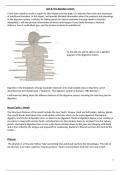
To the left you will be able to see a labelled
diagram of the Digestive system
Digestion is the breakdown of large insoluble molecules into small soluble ones so that they can be
absorbed into the bloodstream. (“Nutrients - The digestive system in humans - BBC Bitesize”)
I will know be talking about the different features of the digestive system, including the role they play for
digestion.
Buccal Cavity / Mouth
The Structural features of the mouth include the Lips, Teeth, Tongue, Hard and Soft palate, Salivary glands,
The mouth Breaks food down into small soluble molecules which can be easily digested. Mechanical
digestion and chemical digestion occur so food can be digested, chemical digestion begins in our mouths as
our saliva is mixed with various foods, carbohydrates are then broken down by amylase from the salivary
glands. Mechanical digestion then occurs as the food is broken down by the jaws and chewing with teeth
and is then rolled by the tongue and prepared for swallowing. Bacteria is filtered out from the food by the
tonsils.
Pharynx
The pharynx is a Muscular Hollow Tube connecting Oral and Nasal Cavity to the Oesophagus. The role of
the pharynx is to make a path for food to go down / food is carried down from the nose and mouth.
1
, Chemical digestion occurs here as the food is rolled to the pharynx where food is automatically swallowed
due to a cranial reflex, the tongue raises up to the roof of the mouth as the muscles of the pharynx
contract, the airway is then closed off as the epiglottis closes over the glottis.
Oesophagus
The Oesophagus is a Muscular tube, 25cm long, 2.5cm wide, which has 4 wall layers.
1)Mucous membrane which Secretes Mucus, which is important to keep the wall well, also enables food to
pass smoothly.
2)Submucosa which holds the mucous membrane in place.
3)Thick layer of muscle which consists of Circular and Longitudinal muscle fibres
Food is pushed to the stomach from the oesophagus peristalsis which is contraction and relaxation of
smooth muscle Fibres
4)Outer protective covering
Oesophagus does not use mechanical digestion but there is mechanical action taking place.
Mechanical digestion occurs at the oesophagus as peristalsis occurs, which is the contraction and
relaxation of smooth muscles from the intestine, which creates a wave like movement pushing food
through the body. Without peristalsis we would not be able to consume any food or empty our bowels.
Stomach
The stomach is a muscular bag which is made of a thick layer of muscle, including Longitudinal, Circular and
Oblique muscle fibres. The stomach is lined with epithelial cells, which produce Gastric juice and Acid (HCI),
which is then used in the body to kill pathogens. Gastric Juice contains the enzyme Pepsin which is a
protease which digests proteins in the stomach. Gastric juice also contains Gastric lipase which is used to
digest lipids/Fats turning them into free fatty acids and monoglycerides, this process takes place by
chemical digestion. However mechanical digestion also occurs in the stomach as food is churned with
enzymes and Acid (HCI) and a product called chyme is created.
Small Intestine
The Role of the small intestine is to breakdown food and absorb nutrients. Features of the small intestine
include the Duodenum, Jejunum, Ileum.
The duodenum, which is 25cm long, 2.5cm wide, consists of smooth muscle cells which are layered with
epithelial cells, the duodenum is connected to the abdominal wall. The duodenum receives pancreatic juice
that are mixed with Hydrolytic enzymes and bile from the liver which enter from a different place i.e.,
sphincter of Oddi.
The Jejunum Is 2.5cm and 3.8cm wide extending from the duodenum to ileum, its role is to help further
digest food from the stomach.
The ileum is 3.6m long, and the walls are thinner meaning nutrients do not have to travel as far to get into
the blood, the ileum absorbs unwanted bile acid and various fluids.
The mesentery is a membrane which supports the jejunum and the ileum as it holds the intestine to the
abdominal wall and keeps it in place. The Small Intestine also contain villi which are small finger like
structures that are highly folded, meaning they contain a large surface area, Villi also has good blood
supply as each villus has a large number of capillaries, meaning absorption occurs at a faster pace.
Chemical digestion occurs in the small intestine.
2
I have been asked to create a report for they students in key stage 5 to educate them and raise awareness
of nutritional disorders. In this report I will provide detailed information about the anatomy and physiology
of the digestive system. I will also be talking about the various nutrients the body needs to function
adequately, I will also provide information on what could happen if your body develops a Nutrient
defiency, how it could affect you, and the various treatments available etc.
To the left you will be able to see a labelled
diagram of the Digestive system
Digestion is the breakdown of large insoluble molecules into small soluble ones so that they can be
absorbed into the bloodstream. (“Nutrients - The digestive system in humans - BBC Bitesize”)
I will know be talking about the different features of the digestive system, including the role they play for
digestion.
Buccal Cavity / Mouth
The Structural features of the mouth include the Lips, Teeth, Tongue, Hard and Soft palate, Salivary glands,
The mouth Breaks food down into small soluble molecules which can be easily digested. Mechanical
digestion and chemical digestion occur so food can be digested, chemical digestion begins in our mouths as
our saliva is mixed with various foods, carbohydrates are then broken down by amylase from the salivary
glands. Mechanical digestion then occurs as the food is broken down by the jaws and chewing with teeth
and is then rolled by the tongue and prepared for swallowing. Bacteria is filtered out from the food by the
tonsils.
Pharynx
The pharynx is a Muscular Hollow Tube connecting Oral and Nasal Cavity to the Oesophagus. The role of
the pharynx is to make a path for food to go down / food is carried down from the nose and mouth.
1
, Chemical digestion occurs here as the food is rolled to the pharynx where food is automatically swallowed
due to a cranial reflex, the tongue raises up to the roof of the mouth as the muscles of the pharynx
contract, the airway is then closed off as the epiglottis closes over the glottis.
Oesophagus
The Oesophagus is a Muscular tube, 25cm long, 2.5cm wide, which has 4 wall layers.
1)Mucous membrane which Secretes Mucus, which is important to keep the wall well, also enables food to
pass smoothly.
2)Submucosa which holds the mucous membrane in place.
3)Thick layer of muscle which consists of Circular and Longitudinal muscle fibres
Food is pushed to the stomach from the oesophagus peristalsis which is contraction and relaxation of
smooth muscle Fibres
4)Outer protective covering
Oesophagus does not use mechanical digestion but there is mechanical action taking place.
Mechanical digestion occurs at the oesophagus as peristalsis occurs, which is the contraction and
relaxation of smooth muscles from the intestine, which creates a wave like movement pushing food
through the body. Without peristalsis we would not be able to consume any food or empty our bowels.
Stomach
The stomach is a muscular bag which is made of a thick layer of muscle, including Longitudinal, Circular and
Oblique muscle fibres. The stomach is lined with epithelial cells, which produce Gastric juice and Acid (HCI),
which is then used in the body to kill pathogens. Gastric Juice contains the enzyme Pepsin which is a
protease which digests proteins in the stomach. Gastric juice also contains Gastric lipase which is used to
digest lipids/Fats turning them into free fatty acids and monoglycerides, this process takes place by
chemical digestion. However mechanical digestion also occurs in the stomach as food is churned with
enzymes and Acid (HCI) and a product called chyme is created.
Small Intestine
The Role of the small intestine is to breakdown food and absorb nutrients. Features of the small intestine
include the Duodenum, Jejunum, Ileum.
The duodenum, which is 25cm long, 2.5cm wide, consists of smooth muscle cells which are layered with
epithelial cells, the duodenum is connected to the abdominal wall. The duodenum receives pancreatic juice
that are mixed with Hydrolytic enzymes and bile from the liver which enter from a different place i.e.,
sphincter of Oddi.
The Jejunum Is 2.5cm and 3.8cm wide extending from the duodenum to ileum, its role is to help further
digest food from the stomach.
The ileum is 3.6m long, and the walls are thinner meaning nutrients do not have to travel as far to get into
the blood, the ileum absorbs unwanted bile acid and various fluids.
The mesentery is a membrane which supports the jejunum and the ileum as it holds the intestine to the
abdominal wall and keeps it in place. The Small Intestine also contain villi which are small finger like
structures that are highly folded, meaning they contain a large surface area, Villi also has good blood
supply as each villus has a large number of capillaries, meaning absorption occurs at a faster pace.
Chemical digestion occurs in the small intestine.
2