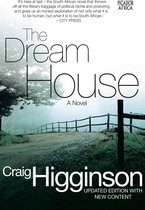
THE DREAMHOUSE NOTES
GENERAL
- Narrated from 5 perspectives
o Looksmart
o Patricia
o Richard
o Beauty
o Bheki
- Event occurs over 2 days
- There is dramatic irony
- Contemporary story
- Epigraph
o quotation by Ted Hughes
§ sets the tone/ hints at the theme
§ Or the subject matter of the text
§ “there is no better way to know us. Than as two wolves, comes separately to a wood”
- brings up similar issues
o Longing for truth
o A desire for revenge/ justice
o A sense of power or domination
o A competing for territory
o The possibility of self-destruction
- Sense of emotional deadness in novel
- Takes place
o Has its origin from Dream of the dog (play)
o On a farm in Kwa-Zulu Natal
- Title
o Masochistic about Looksmart building replicas of the house where the painful event took place.
o Dreams can sometimes be nightmares
o Looksmart is taking control
§ control of the land, money, and power
• he had none of that when he was a young man
o he doesn't in that he’s building a house where all those painful memories
took place.
o Looksmart is building houses that are “dream houses” for somebody else.
THEMES
Memory and truth
- Dementia
o The unreliable nature of memory is poignantly explored through Richard’s suffering from an advanced
stage of dementia.
o Higginson sensitively and effectively captures Richard’s sense of disorientation, frustration and fear as
he roams through
§ the farmlands
§ trying to navigate the ravaged landscape of his own mind.
- Each of the characters are à trying to grope through the mists
o both literal and figurative
o that enshroud them to find the truth of their collective past, but the ‘truth’, it turns out, will not be
the same for each of them.
,Loss and disappointment
- An unfulfilling marriage
- a stillborn child
- an unrequited love
- a vicious assault
- a brutal murder
- As these characters trawl through the past and, quite literally, unearth the bones from long-forgotten graves,
they are forced to examine how these past pains and losses have shaped the people they have since become.
Retribution and forgiveness
- An unspoken need for forgiveness haunts the characters
o as they are forced to confront the distressing revelations from the past.
- For hatred and resentment to be released, pardon must be sought, even from those who are in no position to
grant it.
- The novel closes on an ambiguously optimistic note, nonetheless, as each character departs Dwaleni Farm
with a deeper understanding of the pain they have felt there
Truth
- truth is constructed
- Different people have different perspectives of an event.
o And how unattainable this can be.
- Because we are human, none of us have the true picture
- Having to face yourself and your own actions, facing responsibilities.
- Does truth actually exist
Love and hate
- Looksmart loved Grace
o Beauty’s sister
One’s past actions
- can/should they define one?
Storytelling
- stories of people's lives are constructed
Having empathy
- Forgiveness and exoneration
- To be cleared of any guilt
Language
- Disempowered when someone takes away the other person’s right to education or to speak their own
language.
- Becomes a weapon and source of power
- Can determine your worldview
- Patricia and Richard can speak isiZulu fluently
o it doesn't mean that they understand Bheki and Beauty properly.
- isiZulu
o used as a language of command not of sharing experiences and therefore almost creating a barrier
o Used and abused
o Lie, deceive
o Will to connect
o Can be used to lie
o Adds colour and authenticity to the novel
o Appropriate to context and setting
- English
o Used and abused
o Both accessibility and communicate or older people
o Looksmart uses playfully, ironically, sometimes as a weapon and sometimes as a wand
, The shadow of the past
- how the past impacts on the present at both a personal and national level
o persistent inequality and racismà but not self-righteous or blatantly didactic
o the personal struggles of the main characters of the novel take on greater significance.
§ trying to discard the burdens of the past and make a fresh start
§ Will confronting the truth of the past mean that they can free themselves of hatred?
§ Or are the wrongs of the past too indelibly etched on their characters to be erased?
SYMBOLS
Dogs
- Dealing with people that see dogs a part of their family
- Also dealing with people that cannot understand who treat their dogs better than they treat people
Bloodwood tree
OTHER
- The love between unlikely mother and son
- Looksmart wants Patricia to love him as a son
- The novel not about white guilt
#metoo
- Why Grace’s story only came out later
- Beauty is not in a position to tell anyone
- Who do the police believe
- No one would listen or believe
- Employers should not abuse his power in the matter Richard abused Grace
CHARACTERS
Patricia Wiley
- Most change
- Wants a family and a home
o Why she wants to go to Durban
o Father was there
- Dream house
o One at the pond where Looksmart and her were fishing
- Defines by loss and disappointment
- Steadfastly ignored unpleasant and painful truths of her life
- Confronted with the devastating consequences of her past actions
- Lost control of herself and her body
Looksmart
- Phiwayinkosi
- Too attached to the farmhouse
o Replays his trauma
§ In the process, he destroys the land and Patricia’s dream house in Durban
- Starts out as the antagonist
- Disintegrated
- Tries to emancipate himself when coming back to the farm
- Left parts of himself behind when becoming successful
- Living in denial of what he has been
o Beggars in the city → tried to connect with them
- His affair
o White women
- Patricia and Richard paid for his education
GENERAL
- Narrated from 5 perspectives
o Looksmart
o Patricia
o Richard
o Beauty
o Bheki
- Event occurs over 2 days
- There is dramatic irony
- Contemporary story
- Epigraph
o quotation by Ted Hughes
§ sets the tone/ hints at the theme
§ Or the subject matter of the text
§ “there is no better way to know us. Than as two wolves, comes separately to a wood”
- brings up similar issues
o Longing for truth
o A desire for revenge/ justice
o A sense of power or domination
o A competing for territory
o The possibility of self-destruction
- Sense of emotional deadness in novel
- Takes place
o Has its origin from Dream of the dog (play)
o On a farm in Kwa-Zulu Natal
- Title
o Masochistic about Looksmart building replicas of the house where the painful event took place.
o Dreams can sometimes be nightmares
o Looksmart is taking control
§ control of the land, money, and power
• he had none of that when he was a young man
o he doesn't in that he’s building a house where all those painful memories
took place.
o Looksmart is building houses that are “dream houses” for somebody else.
THEMES
Memory and truth
- Dementia
o The unreliable nature of memory is poignantly explored through Richard’s suffering from an advanced
stage of dementia.
o Higginson sensitively and effectively captures Richard’s sense of disorientation, frustration and fear as
he roams through
§ the farmlands
§ trying to navigate the ravaged landscape of his own mind.
- Each of the characters are à trying to grope through the mists
o both literal and figurative
o that enshroud them to find the truth of their collective past, but the ‘truth’, it turns out, will not be
the same for each of them.
,Loss and disappointment
- An unfulfilling marriage
- a stillborn child
- an unrequited love
- a vicious assault
- a brutal murder
- As these characters trawl through the past and, quite literally, unearth the bones from long-forgotten graves,
they are forced to examine how these past pains and losses have shaped the people they have since become.
Retribution and forgiveness
- An unspoken need for forgiveness haunts the characters
o as they are forced to confront the distressing revelations from the past.
- For hatred and resentment to be released, pardon must be sought, even from those who are in no position to
grant it.
- The novel closes on an ambiguously optimistic note, nonetheless, as each character departs Dwaleni Farm
with a deeper understanding of the pain they have felt there
Truth
- truth is constructed
- Different people have different perspectives of an event.
o And how unattainable this can be.
- Because we are human, none of us have the true picture
- Having to face yourself and your own actions, facing responsibilities.
- Does truth actually exist
Love and hate
- Looksmart loved Grace
o Beauty’s sister
One’s past actions
- can/should they define one?
Storytelling
- stories of people's lives are constructed
Having empathy
- Forgiveness and exoneration
- To be cleared of any guilt
Language
- Disempowered when someone takes away the other person’s right to education or to speak their own
language.
- Becomes a weapon and source of power
- Can determine your worldview
- Patricia and Richard can speak isiZulu fluently
o it doesn't mean that they understand Bheki and Beauty properly.
- isiZulu
o used as a language of command not of sharing experiences and therefore almost creating a barrier
o Used and abused
o Lie, deceive
o Will to connect
o Can be used to lie
o Adds colour and authenticity to the novel
o Appropriate to context and setting
- English
o Used and abused
o Both accessibility and communicate or older people
o Looksmart uses playfully, ironically, sometimes as a weapon and sometimes as a wand
, The shadow of the past
- how the past impacts on the present at both a personal and national level
o persistent inequality and racismà but not self-righteous or blatantly didactic
o the personal struggles of the main characters of the novel take on greater significance.
§ trying to discard the burdens of the past and make a fresh start
§ Will confronting the truth of the past mean that they can free themselves of hatred?
§ Or are the wrongs of the past too indelibly etched on their characters to be erased?
SYMBOLS
Dogs
- Dealing with people that see dogs a part of their family
- Also dealing with people that cannot understand who treat their dogs better than they treat people
Bloodwood tree
OTHER
- The love between unlikely mother and son
- Looksmart wants Patricia to love him as a son
- The novel not about white guilt
#metoo
- Why Grace’s story only came out later
- Beauty is not in a position to tell anyone
- Who do the police believe
- No one would listen or believe
- Employers should not abuse his power in the matter Richard abused Grace
CHARACTERS
Patricia Wiley
- Most change
- Wants a family and a home
o Why she wants to go to Durban
o Father was there
- Dream house
o One at the pond where Looksmart and her were fishing
- Defines by loss and disappointment
- Steadfastly ignored unpleasant and painful truths of her life
- Confronted with the devastating consequences of her past actions
- Lost control of herself and her body
Looksmart
- Phiwayinkosi
- Too attached to the farmhouse
o Replays his trauma
§ In the process, he destroys the land and Patricia’s dream house in Durban
- Starts out as the antagonist
- Disintegrated
- Tries to emancipate himself when coming back to the farm
- Left parts of himself behind when becoming successful
- Living in denial of what he has been
o Beggars in the city → tried to connect with them
- His affair
o White women
- Patricia and Richard paid for his education