lOMoARcPSD|1709022
lOMoARcPSD|1709022
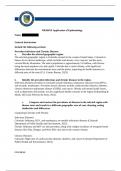
NR586NP Application of Epidemiology
Name: Megan L Collins
General Instructions
Include the following sections:
Prevalent Infectious and Chronic Diseases
a. Describe the selected geographic region.
The selected geographic region is Colorado, located in the western United States. Colorado is
known for its diverse landscape, which includes arid deserts, river canyons, and the snow-
covered Rocky Mountains. The state's population is approximately 5.8 million, with Denver
being the most populous city and capital. Colorado has a varied climate, with significant
differences between the mountainous areas and the plains, impacting the health dynamics in
different parts of the state (U.S. Census Bureau, 2023).
b. Identify the prevalent infectious and chronic diseases in the region.
Infectious diseases prevalent in Colorado include influenza, respiratory syncytial virus (RSV),
and recently, monkeypox. Prevalent chronic diseases include cardiovascular diseases, diabetes,
chronic obstructive pulmonary disease (COPD), and cancer. Obesity and mental health issues,
such as depression and anxiety, are also significant health concerns in the region (Schmieding &
Monk, 2023 and; Peterson & Jones, 2023).
c. Compare and contrast the prevalence of diseases in the selected region with
disease rates and trends in a different geographic area of your choosing, noting
similarities and differences.
Comparing Colorado with Florida:
Infectious Diseases:
Colorado: Influenza, RSV, and monkeypox are notable infectious diseases (Colorado
Department of Public Health and Environment, 2023).
Florida: Influenza and RSV are also prevalent, along with a higher incidence of mosquito-borne
diseases like Zika, Dengue, and West Nile virus due to the warmer climate.
Chronic Diseases:
Colorado: High rates of cardiovascular diseases, diabetes, and cancer (Colorado Department of
Public Health and Environment, 2023).
0320 RB/KK
, lOMoARcPSD|1709022
Florida: Similar chronic disease prevalence, but with a higher rate of age-related diseases like
Alzheimer’s, given the larger elderly population.
Similarities: Both states face high rates of influenza and chronic diseases such as cardiovascular
diseases and diabetes.
Differences: Florida's warmer climate leads to a higher prevalence of mosquito-borne diseases.
Additionally, the elderly population in Florida results in higher rates of Alzheimer’s disease
compared to Colorado.
d. Discuss the variables that contribute to the noted similarities and differences.
Climate: Colorado’s varied climate contributes to seasonal respiratory diseases, while Florida’s
warmer, humid climate fosters mosquito-borne diseases.
Demographics: Florida’s larger elderly population increases the prevalence of age-related
diseases like Alzheimer’s.
Lifestyle: Both states have active populations, but Colorado has a higher percentage of
individuals engaging in outdoor activities, which might influence lower obesity rates compared
to other states.
Application of the Epidemiological Model
a. Select and describe one of the prevalent diseases noted in the previous section.
Monkeypox is a viral zoonosis with symptoms similar to those seen in the past in smallpox
patients. It spreads through close physical contact, skin-to-skin contact, with an infected person's
lesions, body fluids, or respiratory secretions (Centers for Disease Control and Prevention,
2023).
b. Discuss physical and social determinants of health that influence the disease process.
Physical Determinants: Include the availability of healthcare facilities, climatic conditions
affecting virus survival, and population density.
Social Determinants: Include public awareness, access to healthcare services, socioeconomic
status, and cultural practices that influence health-seeking behavior and close contact scenarios.
c. Identify and explain one epidemiological model that will be applied to the selected
disease (i.e., Epidemiological Triangle, Web of Causation, or another legitimate epidemiological
model).
0320 RB/KK
lOMoARcPSD|1709022
NR586NP Application of Epidemiology
Name: Megan L Collins
General Instructions
Include the following sections:
Prevalent Infectious and Chronic Diseases
a. Describe the selected geographic region.
The selected geographic region is Colorado, located in the western United States. Colorado is
known for its diverse landscape, which includes arid deserts, river canyons, and the snow-
covered Rocky Mountains. The state's population is approximately 5.8 million, with Denver
being the most populous city and capital. Colorado has a varied climate, with significant
differences between the mountainous areas and the plains, impacting the health dynamics in
different parts of the state (U.S. Census Bureau, 2023).
b. Identify the prevalent infectious and chronic diseases in the region.
Infectious diseases prevalent in Colorado include influenza, respiratory syncytial virus (RSV),
and recently, monkeypox. Prevalent chronic diseases include cardiovascular diseases, diabetes,
chronic obstructive pulmonary disease (COPD), and cancer. Obesity and mental health issues,
such as depression and anxiety, are also significant health concerns in the region (Schmieding &
Monk, 2023 and; Peterson & Jones, 2023).
c. Compare and contrast the prevalence of diseases in the selected region with
disease rates and trends in a different geographic area of your choosing, noting
similarities and differences.
Comparing Colorado with Florida:
Infectious Diseases:
Colorado: Influenza, RSV, and monkeypox are notable infectious diseases (Colorado
Department of Public Health and Environment, 2023).
Florida: Influenza and RSV are also prevalent, along with a higher incidence of mosquito-borne
diseases like Zika, Dengue, and West Nile virus due to the warmer climate.
Chronic Diseases:
Colorado: High rates of cardiovascular diseases, diabetes, and cancer (Colorado Department of
Public Health and Environment, 2023).
0320 RB/KK
, lOMoARcPSD|1709022
Florida: Similar chronic disease prevalence, but with a higher rate of age-related diseases like
Alzheimer’s, given the larger elderly population.
Similarities: Both states face high rates of influenza and chronic diseases such as cardiovascular
diseases and diabetes.
Differences: Florida's warmer climate leads to a higher prevalence of mosquito-borne diseases.
Additionally, the elderly population in Florida results in higher rates of Alzheimer’s disease
compared to Colorado.
d. Discuss the variables that contribute to the noted similarities and differences.
Climate: Colorado’s varied climate contributes to seasonal respiratory diseases, while Florida’s
warmer, humid climate fosters mosquito-borne diseases.
Demographics: Florida’s larger elderly population increases the prevalence of age-related
diseases like Alzheimer’s.
Lifestyle: Both states have active populations, but Colorado has a higher percentage of
individuals engaging in outdoor activities, which might influence lower obesity rates compared
to other states.
Application of the Epidemiological Model
a. Select and describe one of the prevalent diseases noted in the previous section.
Monkeypox is a viral zoonosis with symptoms similar to those seen in the past in smallpox
patients. It spreads through close physical contact, skin-to-skin contact, with an infected person's
lesions, body fluids, or respiratory secretions (Centers for Disease Control and Prevention,
2023).
b. Discuss physical and social determinants of health that influence the disease process.
Physical Determinants: Include the availability of healthcare facilities, climatic conditions
affecting virus survival, and population density.
Social Determinants: Include public awareness, access to healthcare services, socioeconomic
status, and cultural practices that influence health-seeking behavior and close contact scenarios.
c. Identify and explain one epidemiological model that will be applied to the selected
disease (i.e., Epidemiological Triangle, Web of Causation, or another legitimate epidemiological
model).
0320 RB/KK