Training and Development
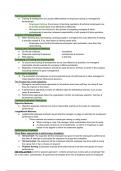
● Training & development are usually differentiated as employee training or management
development
○ Employee training: the process of teaching operations & technical employees how
to do their present jobs more effectively & efficiently.
○ Management development: the process of preparing managers & other
professionals to assume increased responsibility in both present & future positions.
Analysis of Training Needs
● When thinking about developing a training program, managers first must determine if training
is actually needed &, if so, what types of training needs exist.
○ Employees may find that sometimes employees need motivation more than they
need training.
Training and Development Methods
● On-the-job methods. - simulations
● Classroom teaching & leactures. - conferences & seminars
● Role-playing. - e-learning
Evaluating of Training and Development
● To ensure that training & development are as cost effective as possible, the managers
responsible should evaluate the company’s efforts periodically.
● Regulates of training evaluations should be made known to all those involved in the program
includeing trainees & upper management.
Performance Appraisal
➔ The evaluation of employees current & potential levels of performance to allow managers to
make objective Human Resources decisions
The Process has 3 main objectives:
1. Managers use performance appraisals to let workers know how well they are doing & how
they can improve in the future.
2. A performance appraisal provides an effective basis for distributing rewards, such as pay
raises & promotions.
3. Performance appraisals helps the organisation monitor its employee selection, training, &
development activities.
Common Evaluation Techniques
Objective Methods:
● Objective appraisal methods sue some measurable quantity as the basis for assessing
performance
JudgeMental Methods:
● Judgemental appraisal methods require that the manager or judge or estimate the employee’s
performance level.
○ These methods are based on employee ranking or rating scales.
■ When ranking is used, the manager ranks subordinates from best to worst.
■ A rating scale consists of a # of statements, on which e/ employee is rated
based on the degree to which the statement applies.
Performance Feedback
Three Major approaches to performance Feedback:
1. Tell and Sell : the superiors tell the employee how good or bad the employee’s performance
has been & attempts to persuade the employee to accept the evaluation.
2. Tell and Listen: the superiors tell the employee what the employee has done right & wrong
then gives him or her a chance to respond.
3. Problem Solving: Employees evaluate their performance & set their own goods for future
performance.
360 EVALUATION (common popular approach) : collects anonymous reviews abt an employee from
his or her peers, subordinates, & supervisors & complies them into a feedback report for employee.
● Training & development are usually differentiated as employee training or management
development
○ Employee training: the process of teaching operations & technical employees how
to do their present jobs more effectively & efficiently.
○ Management development: the process of preparing managers & other
professionals to assume increased responsibility in both present & future positions.
Analysis of Training Needs
● When thinking about developing a training program, managers first must determine if training
is actually needed &, if so, what types of training needs exist.
○ Employees may find that sometimes employees need motivation more than they
need training.
Training and Development Methods
● On-the-job methods. - simulations
● Classroom teaching & leactures. - conferences & seminars
● Role-playing. - e-learning
Evaluating of Training and Development
● To ensure that training & development are as cost effective as possible, the managers
responsible should evaluate the company’s efforts periodically.
● Regulates of training evaluations should be made known to all those involved in the program
includeing trainees & upper management.
Performance Appraisal
➔ The evaluation of employees current & potential levels of performance to allow managers to
make objective Human Resources decisions
The Process has 3 main objectives:
1. Managers use performance appraisals to let workers know how well they are doing & how
they can improve in the future.
2. A performance appraisal provides an effective basis for distributing rewards, such as pay
raises & promotions.
3. Performance appraisals helps the organisation monitor its employee selection, training, &
development activities.
Common Evaluation Techniques
Objective Methods:
● Objective appraisal methods sue some measurable quantity as the basis for assessing
performance
JudgeMental Methods:
● Judgemental appraisal methods require that the manager or judge or estimate the employee’s
performance level.
○ These methods are based on employee ranking or rating scales.
■ When ranking is used, the manager ranks subordinates from best to worst.
■ A rating scale consists of a # of statements, on which e/ employee is rated
based on the degree to which the statement applies.
Performance Feedback
Three Major approaches to performance Feedback:
1. Tell and Sell : the superiors tell the employee how good or bad the employee’s performance
has been & attempts to persuade the employee to accept the evaluation.
2. Tell and Listen: the superiors tell the employee what the employee has done right & wrong
then gives him or her a chance to respond.
3. Problem Solving: Employees evaluate their performance & set their own goods for future
performance.
360 EVALUATION (common popular approach) : collects anonymous reviews abt an employee from
his or her peers, subordinates, & supervisors & complies them into a feedback report for employee.