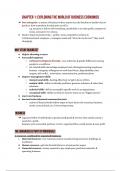
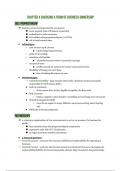
Chapter 1: Exploring the world of business economics
➔ Free enterprise- a system of business where anyone has the freedom to decide what to
produce, how to produce, & what price to sell it.
- e.g. Amazon is able to sell everything, stockholder rt to make profit, compete w/
stores, consumer rt to choose.
● Need to improve productivity, ↑ profits, more competitive w/ firms in
U.S/International: employee + managers needa ask “what do we do now?” (key word:
changing).
Why study business?
● Help in choosing a career
● Successful employee
○ Cultural (workplace) diversity- race, ethnicity, & gender differences among
people in a workforce
○ job-related skills+knowledge employer look 4 hiring/promoting employees:
honesty + integrity, willingness to work hard+learn, dependability, time
mngmt, self confid. , motivation, communication, professionalism.
● improve management skills
○ Interpersonal skills- dealing effectively w/ ppl in & out of firm.
○ analytic skills- ability to identify problems, generate solutions, & select best
solutions.
○ technical skills- skill to accomplish specific work in an organisation.
○ conceptual skills- Ability to think in abstract terms to see “bigger picture”.
● start own business
● become better informed consumer/investor
○ author of finance books believe imprt to learn basics abt economy, business,
stocks, mutual funds, etc. b4 investing money.
business
➔ organised effort of individuals to produce/sell goods & services that satisfy society’s
needs for a profit.
- Business to be successful, perform 3 activi.: organized firm, satisfy needs, & earn profit.
The organised effort of individuals
4 resources combined for organised business:
1. Material Resources- raw materials used in manufacturing resources, buildings, &
machinery.
2. Human resources- ppl who furnish labour to a business for wages.
3. Financial resources- money required to pay employees, purchase materials, &
operating business.
, 4. Informational resources- Info that tells managers of firm how effective other 3
resources are being combined/used.
3 SPECIFIC TYPES BUSINESSES ORGANIZED IN:
1. Service Businesses- produce services (like haircuts)/legal advice/tax prep
2. Manufacturing Businesses- process various materials into tangible goods.
a. delivery trucks, towels, computers
3. Marketing intermediaries- reselling products bought from manufacturers
a. retailers like Best Buy & walmart (both resells manufacturer goods)
➔ E-BUSINESS- organised effort of individuals to produce & sell goods/services that
satisfy society’s needs for a profit through facilities on the internet.
Satisfying needs
● ult. objective of ev/ firm -> satisfy customer needs.
● business understand + work to satisfy customer needs=successsful business.
business Profit
➔ Profit- what remains after business expenses deducted from sales revenue.
◆ profit = reward business owner’s receive for producing goods/services
customers want.
◆ payment business owners get for assuming risks of ownership
i. risk of not being paid.
ii. risk of losing what they invested in.
- to satisfy society needs + make profit, business must operate w/in parameters of
nation’s economic system
➔ Loss/Negative Profit- result of firm’s expenses r greater than its sales revenue.
- if happens, firm can’t operate.
- action not taken, firm forced to close/file bankruptcy protection.
sales (revenue)
- cost (expenses)
————————
Profit/Loss
➔ Stakeholders- everyone who's affected by an organisation’s policies, decisions, &
activities.
Types of economic systems
➔ Economics- study of how wealth(anything in value) is created + distributed
● 2 different types of economic systems: Capitalism & Command economics.
➔ Free enterprise- a system of business where anyone has the freedom to decide what to
produce, how to produce, & what price to sell it.
- e.g. Amazon is able to sell everything, stockholder rt to make profit, compete w/
stores, consumer rt to choose.
● Need to improve productivity, ↑ profits, more competitive w/ firms in
U.S/International: employee + managers needa ask “what do we do now?” (key word:
changing).
Why study business?
● Help in choosing a career
● Successful employee
○ Cultural (workplace) diversity- race, ethnicity, & gender differences among
people in a workforce
○ job-related skills+knowledge employer look 4 hiring/promoting employees:
honesty + integrity, willingness to work hard+learn, dependability, time
mngmt, self confid. , motivation, communication, professionalism.
● improve management skills
○ Interpersonal skills- dealing effectively w/ ppl in & out of firm.
○ analytic skills- ability to identify problems, generate solutions, & select best
solutions.
○ technical skills- skill to accomplish specific work in an organisation.
○ conceptual skills- Ability to think in abstract terms to see “bigger picture”.
● start own business
● become better informed consumer/investor
○ author of finance books believe imprt to learn basics abt economy, business,
stocks, mutual funds, etc. b4 investing money.
business
➔ organised effort of individuals to produce/sell goods & services that satisfy society’s
needs for a profit.
- Business to be successful, perform 3 activi.: organized firm, satisfy needs, & earn profit.
The organised effort of individuals
4 resources combined for organised business:
1. Material Resources- raw materials used in manufacturing resources, buildings, &
machinery.
2. Human resources- ppl who furnish labour to a business for wages.
3. Financial resources- money required to pay employees, purchase materials, &
operating business.
, 4. Informational resources- Info that tells managers of firm how effective other 3
resources are being combined/used.
3 SPECIFIC TYPES BUSINESSES ORGANIZED IN:
1. Service Businesses- produce services (like haircuts)/legal advice/tax prep
2. Manufacturing Businesses- process various materials into tangible goods.
a. delivery trucks, towels, computers
3. Marketing intermediaries- reselling products bought from manufacturers
a. retailers like Best Buy & walmart (both resells manufacturer goods)
➔ E-BUSINESS- organised effort of individuals to produce & sell goods/services that
satisfy society’s needs for a profit through facilities on the internet.
Satisfying needs
● ult. objective of ev/ firm -> satisfy customer needs.
● business understand + work to satisfy customer needs=successsful business.
business Profit
➔ Profit- what remains after business expenses deducted from sales revenue.
◆ profit = reward business owner’s receive for producing goods/services
customers want.
◆ payment business owners get for assuming risks of ownership
i. risk of not being paid.
ii. risk of losing what they invested in.
- to satisfy society needs + make profit, business must operate w/in parameters of
nation’s economic system
➔ Loss/Negative Profit- result of firm’s expenses r greater than its sales revenue.
- if happens, firm can’t operate.
- action not taken, firm forced to close/file bankruptcy protection.
sales (revenue)
- cost (expenses)
————————
Profit/Loss
➔ Stakeholders- everyone who's affected by an organisation’s policies, decisions, &
activities.
Types of economic systems
➔ Economics- study of how wealth(anything in value) is created + distributed
● 2 different types of economic systems: Capitalism & Command economics.