SID: 2215756
MPPC II: Case Based Discussion- Dermatology, Seborrheic Dermatitis (1A)
Presentation
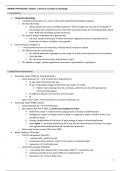
An 82-year-old male attends an appointment with the clinical pharmacist after
noticing a rash on his face and hairline in the last month.
Focused History
The patient was seen alone and presented with an erythematous, scaly rash that
was pruritic, sore, and nodular in places. He presented to the GP two weeks ago
with lesions that were localised to his chin and sideburns but had now spread to the
scalp. He felt well, had no fever or malaise, and had never experienced a rash like
this before. He had no family history of atopy, however, is an ex-smoker and drinks
~7 units of alcohol per week. He is retired and lives a stress-free life. The patient’s
full history can be seen in Table 1.
At his last appointment, the patient was diagnosed with rosacea and topical
hydrocortisone was prescribed. He was also counselled on the triggers of facial
flushing and dryness- including limiting alcohol consumption- but had seen little
improvement since adhering to the GP’s advice. However, they had tried shaving
less frequently, and noticed reduced facial irritation since then.
To rule out contact dermatitis, the pharmacist questioned any changes in washing
powder, soap, or medication since he noticed the rash, all of which he denied. When
asked what the rash could be, the patient believed it to be dry skin, as he frequently
forgot to apply the hydrocortisone. He wanted to be prescribed some stronger topical
treatments as the rash was now getting “embarrassing”.
1
, SID: 2215756
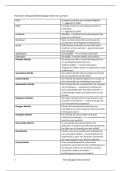
Table 1. Patient’s full medical history, outlined in the clinician’s notes. The clinician conducted a systematic
approach when interacting with the patient, and respected the patient’s ideas, concerns, and expectations
throughout.
Information outlined in the clinician’s notes
Presenting complaint A worsening rash on the face and hairline
Was given hydrocortisone for it, but there had largely been
no improvement
Hydrocortisone was used inconsistently for 2 weeks
Past medical history and allergies Drug history Past diagnoses
Amlodipine 5mg COPD
Bisoprolol 2.5mg Paroxysmal atrial fibrillation
Co-codamol Hypertension
15mg/500mg tablets
Promethazine Allergies
hydrochloride 25mg Atorvastatin
Rivaroxaban 20mg
Rosuvastatin 10mg
Ventolin 100mcg
Smoking, alcohol consumption and An ex-smoker, drinks ~7 units of alcohol per week. No recreational
recreational drug use drug use
Home life The patient is retired and lives by himself, living a relatively stress-
free life
Ideas Thinks it might be dry skin through inconsistent use of
hydrocortisone cream
Concerns The patient was concerned that the rash is embarrassing and
unsightly to look at
Expectations He wanted to be prescribed some stronger topical treatments
2
, SID: 2215756
Examination
The clinician donned gloves and gained consent before examining, and observed an
erythematous rash on the hairline, sideburns, nasolabial and infraoral folds,
eyebrows and intermittently across the scalp. Lesions on the scalp were papular,
greasy and excoriated due to intense pruritis, and small inflammatory papular-
pustular lesions were seen on the cheeks and transitioned to a more nodular
appearance posterior to the left ear. A review of systems was unremarkable, and the
patient had no fever or lymphadenopathy, ruling out infection.
Differential diagnosis
Based on the distribution of the rash, the primary differential for this patient was
seborrheic dermatitis (SD) (Figure 1). It is diagnosed clinically- and caused by an
inflammatory reaction to Malassezia fungi- but is difficult to differentiate from other
diagnoses such as rosacea (Figure 2). However, the patient did not present with
fixed centrofacial erythema, nor phymatous changes as the two independent
diagnostic phenotypes used to diagnose rosacea (Tan et al., 2017).
Figure 1. Seborrheic dermatitis of the scalp, characterised by greasy patches and scaling
around the hairline, eyebrows, ears and nasolabial folds. Areas of seborrheic dermatitis are
usually well demarcated and is thought to occur in up to 5% of the general population (Dermnet,
2023).
3
MPPC II: Case Based Discussion- Dermatology, Seborrheic Dermatitis (1A)
Presentation
An 82-year-old male attends an appointment with the clinical pharmacist after
noticing a rash on his face and hairline in the last month.
Focused History
The patient was seen alone and presented with an erythematous, scaly rash that
was pruritic, sore, and nodular in places. He presented to the GP two weeks ago
with lesions that were localised to his chin and sideburns but had now spread to the
scalp. He felt well, had no fever or malaise, and had never experienced a rash like
this before. He had no family history of atopy, however, is an ex-smoker and drinks
~7 units of alcohol per week. He is retired and lives a stress-free life. The patient’s
full history can be seen in Table 1.
At his last appointment, the patient was diagnosed with rosacea and topical
hydrocortisone was prescribed. He was also counselled on the triggers of facial
flushing and dryness- including limiting alcohol consumption- but had seen little
improvement since adhering to the GP’s advice. However, they had tried shaving
less frequently, and noticed reduced facial irritation since then.
To rule out contact dermatitis, the pharmacist questioned any changes in washing
powder, soap, or medication since he noticed the rash, all of which he denied. When
asked what the rash could be, the patient believed it to be dry skin, as he frequently
forgot to apply the hydrocortisone. He wanted to be prescribed some stronger topical
treatments as the rash was now getting “embarrassing”.
1
, SID: 2215756
Table 1. Patient’s full medical history, outlined in the clinician’s notes. The clinician conducted a systematic
approach when interacting with the patient, and respected the patient’s ideas, concerns, and expectations
throughout.
Information outlined in the clinician’s notes
Presenting complaint A worsening rash on the face and hairline
Was given hydrocortisone for it, but there had largely been
no improvement
Hydrocortisone was used inconsistently for 2 weeks
Past medical history and allergies Drug history Past diagnoses
Amlodipine 5mg COPD
Bisoprolol 2.5mg Paroxysmal atrial fibrillation
Co-codamol Hypertension
15mg/500mg tablets
Promethazine Allergies
hydrochloride 25mg Atorvastatin
Rivaroxaban 20mg
Rosuvastatin 10mg
Ventolin 100mcg
Smoking, alcohol consumption and An ex-smoker, drinks ~7 units of alcohol per week. No recreational
recreational drug use drug use
Home life The patient is retired and lives by himself, living a relatively stress-
free life
Ideas Thinks it might be dry skin through inconsistent use of
hydrocortisone cream
Concerns The patient was concerned that the rash is embarrassing and
unsightly to look at
Expectations He wanted to be prescribed some stronger topical treatments
2
, SID: 2215756
Examination
The clinician donned gloves and gained consent before examining, and observed an
erythematous rash on the hairline, sideburns, nasolabial and infraoral folds,
eyebrows and intermittently across the scalp. Lesions on the scalp were papular,
greasy and excoriated due to intense pruritis, and small inflammatory papular-
pustular lesions were seen on the cheeks and transitioned to a more nodular
appearance posterior to the left ear. A review of systems was unremarkable, and the
patient had no fever or lymphadenopathy, ruling out infection.
Differential diagnosis
Based on the distribution of the rash, the primary differential for this patient was
seborrheic dermatitis (SD) (Figure 1). It is diagnosed clinically- and caused by an
inflammatory reaction to Malassezia fungi- but is difficult to differentiate from other
diagnoses such as rosacea (Figure 2). However, the patient did not present with
fixed centrofacial erythema, nor phymatous changes as the two independent
diagnostic phenotypes used to diagnose rosacea (Tan et al., 2017).
Figure 1. Seborrheic dermatitis of the scalp, characterised by greasy patches and scaling
around the hairline, eyebrows, ears and nasolabial folds. Areas of seborrheic dermatitis are
usually well demarcated and is thought to occur in up to 5% of the general population (Dermnet,
2023).
3