Vitals
Nursing Process
Health Assessment 96 8
.
°F
- 1047
3
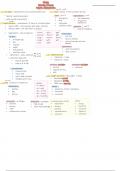
vital signs - measurements that provide baseline data 7
temp - balance of heat produced and lost
°
·
identify trends and patterns fever 1102 .
2 F
hyperthermia 1104
·
guide nursing interventions • antipyretics • life threatening
120/80 • flush • antipyretics
&
blood pressure - measurement of force of circulating blood • tachycadia uneffective
• systolic (SBP) - max pressure when heart contracts • confusion (older) hyperexia 1106 f
• diastolic (DBP) - min when heart is relaxed • medical emergency
• hypertension - above expected normal <120 <80
interventions
elevated 120-129 <80
factors • cool fluid
stage 1 130-139 80-90
• increased age • remove clothing
stage 2 >140 >90
• diet • cool environment and cool
crisis >180 blankets
• exercise
• weight hypothermia
• body position • warm environment
• emotional state • head covered
SBP < 90
• hupotension - below expected > respiratory rate
DBP < 60 • inspiration - intake
⑧
orthostatic (postural)
• expiration - expel
• drop of >20 SBP
• drop of > 10 DBP
tachypnea > 20bpm brandypnea < 12bpm
• anxiety • sedatives
interventions • physical activity
• increase fluids
• pain
• check meds
• avoid temp extremes > oxygen saturation - % oxygen in blood
• change position slow • decreased < 95%
60-100
• hypozemia < 90%
Y pulse - pulsation of blood flow grading • COPD lower: 88-92%
infleunced by 0 - absent causes
• position +1 - weak • pnemonia, chronic lung disease
• age +2 - normal • nail polish
• activity +3 - strong • movement
+4 - bounding
tachycardia - > 100bpm bradycardia - < 60bpm nursing process (AAPIE) ABCDE
• exercise • high fitness • assessment • airway
• anxiety • heart failure/damage • analysis • breathing
• meds • planning • circulation
• caffeine and nicotine • implementation • diagnosis
• evaluation • evaluation
Nursing Process
Health Assessment 96 8
.
°F
- 1047
3
vital signs - measurements that provide baseline data 7
temp - balance of heat produced and lost
°
·
identify trends and patterns fever 1102 .
2 F
hyperthermia 1104
·
guide nursing interventions • antipyretics • life threatening
120/80 • flush • antipyretics
&
blood pressure - measurement of force of circulating blood • tachycadia uneffective
• systolic (SBP) - max pressure when heart contracts • confusion (older) hyperexia 1106 f
• diastolic (DBP) - min when heart is relaxed • medical emergency
• hypertension - above expected normal <120 <80
interventions
elevated 120-129 <80
factors • cool fluid
stage 1 130-139 80-90
• increased age • remove clothing
stage 2 >140 >90
• diet • cool environment and cool
crisis >180 blankets
• exercise
• weight hypothermia
• body position • warm environment
• emotional state • head covered
SBP < 90
• hupotension - below expected > respiratory rate
DBP < 60 • inspiration - intake
⑧
orthostatic (postural)
• expiration - expel
• drop of >20 SBP
• drop of > 10 DBP
tachypnea > 20bpm brandypnea < 12bpm
• anxiety • sedatives
interventions • physical activity
• increase fluids
• pain
• check meds
• avoid temp extremes > oxygen saturation - % oxygen in blood
• change position slow • decreased < 95%
60-100
• hypozemia < 90%
Y pulse - pulsation of blood flow grading • COPD lower: 88-92%
infleunced by 0 - absent causes
• position +1 - weak • pnemonia, chronic lung disease
• age +2 - normal • nail polish
• activity +3 - strong • movement
+4 - bounding
tachycardia - > 100bpm bradycardia - < 60bpm nursing process (AAPIE) ABCDE
• exercise • high fitness • assessment • airway
• anxiety • heart failure/damage • analysis • breathing
• meds • planning • circulation
• caffeine and nicotine • implementation • diagnosis
• evaluation • evaluation