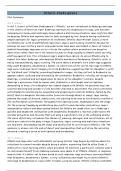
Othello Shakespeare
Themes
Appearance vs Reality
The theme of appearance versus reality is a central one in William Shakespeare's play Othello.
It explores the difference between how things seem and how they actually are, a concept that
is deeply woven into the fabric of the narrative and characters.
What is this theme?
The theme of appearance versus reality in Othello revolves around the idea that outward
appearances can be deceptive and that reality often lies beneath the surface. Characters in
the play often present a façade that hides their true intentions or feelings, leading to
misunderstandings and tragic consequences.
How is this theme portrayed?
- Iago's Deception: The most significant portrayal of this theme is through Iago, who appears
to be honest and trustworthy but is, in reality, manipulative and deceitful. He is referred
to as "honest Iago" by other characters, but he is the mastermind behind the deceit and
betrayal in the play.
- Othello's Trust: Othello's perception of reality is heavily influenced by Iago’s
manipulations. Othello trusts Iago's appearance of loyalty and honesty, which blinds him to
the truth about Desdemona's fidelity.
- Desdemona’s Innocence: Desdemona appears to be guilty of infidelity in Othello's eyes due
to the manipulations of Iago. In reality, she is innocent and faithful to Othello, showcasing
the tragic consequences of the discrepancy between appearance and reality.
- Cassio’s Reputation: Cassio is depicted as a noble and honorable man, but his involvement in
the drunken brawl, orchestrated by Iago, leads to his demotion and tarnishes his
appearance in Othello's eyes. However, the reality is that Cassio is a victim of Iago's
schemes.
When is this theme portrayed?
Act I, Scene I: Iago and Roderigo discuss their hatred for Othello and begin to plot against him,
setting the stage for the deceptive appearances that will follow.
Act III, Scene III: Often called the "temptation scene," where Iago plants the seeds of doubt in
Othello’s mind about Desdemona’s fidelity.
Act IV, Scene I: Othello’s belief in Desdemona’s guilt is solidified by Iago’s manipulations
Who portrays this theme?
Iago: The primary agent of the theme, he consistently presents a false appearance to achieve
his malevolent goals.
Othello: His tragic flaw is his inability to see through appearances to the reality of Iago’s
deceit and Desdemona’s innocence.
Desdemona and Cassio: Both are victims of the disparity between appearance and reality,
suffering due to Othello's misinterpretation of their actions.
Why is this theme portrayed?
Shakespeare explores the theme of appearance versus reality to highlight the dangers of
deception and the destructive power of jealousy and mistrust. It serves to illustrate how
easily truth can be obscured by lies and false appearances, leading to tragic
misunderstandings and consequences.
, Deception and Treachery
Deception and treachery are central themes in William Shakespeare's "Othello," driving the
plot and leading to the tragic downfall of the characters. These themes are intricately woven
into the fabric of the play and are portrayed through various characters and their actions.
What is the Theme?
The theme of deception and treachery in "Othello" revolves around the manipulative actions
and dishonest behaviors that characters employ to achieve their goals. It highlights the
destructive power of lies and deceit, and how they can corrupt relationships, breed mistrust,
and lead to tragic consequences.
How is this Theme Portrayed?
Iago's Manipulations:
- Deceptive Nature: Iago is the main architect of deception in the play. He pretends to be
loyal to Othello while secretly plotting his downfall.
- Manipulating Othello: Iago plants seeds of doubt in Othello's mind about Desdemona's
fidelity, using fabricated evidence and insinuations to manipulate Othello's perceptions.
- Exploiting Others: Iago deceives multiple characters, including Roderigo, who believes Iago
will help him win Desdemona's love, and Cassio, who is unaware that Iago is orchestrating
his downfall.
Othello's Trust and Jealousy:
- Trust in Iago: Othello's misplaced trust in Iago makes him susceptible to deception. Iago's
facade of honesty convinces Othello to believe his lies over Desdemona's truth.
- Transformation by Jealousy: Iago's treachery transforms Othello from a noble and
composed leader into a jealous and irrational man, leading him to commit heinous acts.
False Accusations:
- Desdemona's Innocence: Desdemona is a victim of Othello's misguided jealousy. Despite her
innocence and fidelity, she is accused and punished due to Iago's deceit.
- Cassio's Reputation: Cassio suffers from Iago's manipulation, losing his position and
reputation because of lies about his conduct.
When is this Theme Portrayed?
Act 1, Scene 3: Iago begins to reveal his deceptive plans, expressing his hatred for Othello and
outlining his scheme to bring him down.
Act 2, Scene 1: Iago's manipulation begins as he deceives Roderigo and starts to sow discord
between Cassio and Othello.
Act 3, Scene 3: The "temptation scene," where Iago's insinuations about Desdemona's infidelity
take hold in Othello's mind, marking the turning point of the play.
Act 4, Scene 1: Iago's deceptions reach a peak as Othello becomes fully convinced of
Desdemona's unfaithfulness, leading to his tragic resolution.
Act 5, Scene 2: The tragic culmination of Iago's treachery is revealed as Othello confronts
Desdemona, resulting in her death and Othello's realization of the truth.
Who Portrays this Theme?
Iago: The primary embodiment of deception and treachery. His duplicitous nature and
manipulative actions drive the plot and affect all major characters.
Othello: Though initially honorable, Othello's vulnerability to Iago's deception leads him to act
treacherously against Desdemona.
Roderigo: A pawn in Iago's schemes, Roderigo is deceived into believing Iago will help him win
Desdemona.
Emilia: While initially unwittingly aiding Iago by giving him Desdemona's handkerchief, Emilia
ultimately exposes Iago's treachery.
Themes
Appearance vs Reality
The theme of appearance versus reality is a central one in William Shakespeare's play Othello.
It explores the difference between how things seem and how they actually are, a concept that
is deeply woven into the fabric of the narrative and characters.
What is this theme?
The theme of appearance versus reality in Othello revolves around the idea that outward
appearances can be deceptive and that reality often lies beneath the surface. Characters in
the play often present a façade that hides their true intentions or feelings, leading to
misunderstandings and tragic consequences.
How is this theme portrayed?
- Iago's Deception: The most significant portrayal of this theme is through Iago, who appears
to be honest and trustworthy but is, in reality, manipulative and deceitful. He is referred
to as "honest Iago" by other characters, but he is the mastermind behind the deceit and
betrayal in the play.
- Othello's Trust: Othello's perception of reality is heavily influenced by Iago’s
manipulations. Othello trusts Iago's appearance of loyalty and honesty, which blinds him to
the truth about Desdemona's fidelity.
- Desdemona’s Innocence: Desdemona appears to be guilty of infidelity in Othello's eyes due
to the manipulations of Iago. In reality, she is innocent and faithful to Othello, showcasing
the tragic consequences of the discrepancy between appearance and reality.
- Cassio’s Reputation: Cassio is depicted as a noble and honorable man, but his involvement in
the drunken brawl, orchestrated by Iago, leads to his demotion and tarnishes his
appearance in Othello's eyes. However, the reality is that Cassio is a victim of Iago's
schemes.
When is this theme portrayed?
Act I, Scene I: Iago and Roderigo discuss their hatred for Othello and begin to plot against him,
setting the stage for the deceptive appearances that will follow.
Act III, Scene III: Often called the "temptation scene," where Iago plants the seeds of doubt in
Othello’s mind about Desdemona’s fidelity.
Act IV, Scene I: Othello’s belief in Desdemona’s guilt is solidified by Iago’s manipulations
Who portrays this theme?
Iago: The primary agent of the theme, he consistently presents a false appearance to achieve
his malevolent goals.
Othello: His tragic flaw is his inability to see through appearances to the reality of Iago’s
deceit and Desdemona’s innocence.
Desdemona and Cassio: Both are victims of the disparity between appearance and reality,
suffering due to Othello's misinterpretation of their actions.
Why is this theme portrayed?
Shakespeare explores the theme of appearance versus reality to highlight the dangers of
deception and the destructive power of jealousy and mistrust. It serves to illustrate how
easily truth can be obscured by lies and false appearances, leading to tragic
misunderstandings and consequences.
, Deception and Treachery
Deception and treachery are central themes in William Shakespeare's "Othello," driving the
plot and leading to the tragic downfall of the characters. These themes are intricately woven
into the fabric of the play and are portrayed through various characters and their actions.
What is the Theme?
The theme of deception and treachery in "Othello" revolves around the manipulative actions
and dishonest behaviors that characters employ to achieve their goals. It highlights the
destructive power of lies and deceit, and how they can corrupt relationships, breed mistrust,
and lead to tragic consequences.
How is this Theme Portrayed?
Iago's Manipulations:
- Deceptive Nature: Iago is the main architect of deception in the play. He pretends to be
loyal to Othello while secretly plotting his downfall.
- Manipulating Othello: Iago plants seeds of doubt in Othello's mind about Desdemona's
fidelity, using fabricated evidence and insinuations to manipulate Othello's perceptions.
- Exploiting Others: Iago deceives multiple characters, including Roderigo, who believes Iago
will help him win Desdemona's love, and Cassio, who is unaware that Iago is orchestrating
his downfall.
Othello's Trust and Jealousy:
- Trust in Iago: Othello's misplaced trust in Iago makes him susceptible to deception. Iago's
facade of honesty convinces Othello to believe his lies over Desdemona's truth.
- Transformation by Jealousy: Iago's treachery transforms Othello from a noble and
composed leader into a jealous and irrational man, leading him to commit heinous acts.
False Accusations:
- Desdemona's Innocence: Desdemona is a victim of Othello's misguided jealousy. Despite her
innocence and fidelity, she is accused and punished due to Iago's deceit.
- Cassio's Reputation: Cassio suffers from Iago's manipulation, losing his position and
reputation because of lies about his conduct.
When is this Theme Portrayed?
Act 1, Scene 3: Iago begins to reveal his deceptive plans, expressing his hatred for Othello and
outlining his scheme to bring him down.
Act 2, Scene 1: Iago's manipulation begins as he deceives Roderigo and starts to sow discord
between Cassio and Othello.
Act 3, Scene 3: The "temptation scene," where Iago's insinuations about Desdemona's infidelity
take hold in Othello's mind, marking the turning point of the play.
Act 4, Scene 1: Iago's deceptions reach a peak as Othello becomes fully convinced of
Desdemona's unfaithfulness, leading to his tragic resolution.
Act 5, Scene 2: The tragic culmination of Iago's treachery is revealed as Othello confronts
Desdemona, resulting in her death and Othello's realization of the truth.
Who Portrays this Theme?
Iago: The primary embodiment of deception and treachery. His duplicitous nature and
manipulative actions drive the plot and affect all major characters.
Othello: Though initially honorable, Othello's vulnerability to Iago's deception leads him to act
treacherously against Desdemona.
Roderigo: A pawn in Iago's schemes, Roderigo is deceived into believing Iago will help him win
Desdemona.
Emilia: While initially unwittingly aiding Iago by giving him Desdemona's handkerchief, Emilia
ultimately exposes Iago's treachery.