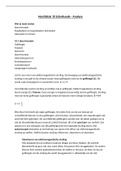
Reproduction in Flowering Plants
, ~ euseof ~sexual
to
themselves evolution of
reproduction the ability of
orgs to produce a new
generation of passing on
genes and ensuring survival a species
- +
,
similarities
produce same kind of org to prevent species dying out
=
·
·
results in food being produced
differences
asexual sexual
no . of Parents 1 -
all individuals can produce offspring 2 WI 2 diff . Sexes
processes mitosis fusion of cells quicker meiosis fertilization
Stage stages
-
I no
= = =
+
↳ fusion of 2 cells =
slower
gametes none
gametes formed
end result genetically identical
offspring no variation genetically diff
offspring due to variation during
= =
.
meiosis +
fertilisation
value well adapted individuals =
preserved ·
individuals wi variations can adapt to changing environ
·
reproduction possible wi few/no mates
faster
rate =
all individuals produce offspring slower- half of pop .
(males) don't directly produce offspring
energy input efficient efficient find/court produce
more no
energy input needed less energy needed to mates
- - +
gametes
external agents NIA pollinators Often needed
due variation
adaptability none yes to
=
evolution Chances low =
no
genotype variation beyond mutations good :
high genotype variation
advantages :
all individuals can produce offspring
·
variation= basis of eve
simplet fast adaptability greater survival chance in unstable environ
· =
·
useful in stable conditions
very may prevent spread of disease
· ·
·
rapid spread of favourable mutation ·
reduce risk of inherited diseases
disadvantages novariation -> environmental changes =
possible die out high energy expenditure
overcrowding can occur resources in short
supply Slower
:
· ·
·
expression of unfavourable mutations +
recessive genes
·
external agents may be needed in plants
, ~ euseof ~sexual
to
themselves evolution of
reproduction the ability of
orgs to produce a new
generation of passing on
genes and ensuring survival a species
- +
,
similarities
produce same kind of org to prevent species dying out
=
·
·
results in food being produced
differences
asexual sexual
no . of Parents 1 -
all individuals can produce offspring 2 WI 2 diff . Sexes
processes mitosis fusion of cells quicker meiosis fertilization
Stage stages
-
I no
= = =
+
↳ fusion of 2 cells =
slower
gametes none
gametes formed
end result genetically identical
offspring no variation genetically diff
offspring due to variation during
= =
.
meiosis +
fertilisation
value well adapted individuals =
preserved ·
individuals wi variations can adapt to changing environ
·
reproduction possible wi few/no mates
faster
rate =
all individuals produce offspring slower- half of pop .
(males) don't directly produce offspring
energy input efficient efficient find/court produce
more no
energy input needed less energy needed to mates
- - +
gametes
external agents NIA pollinators Often needed
due variation
adaptability none yes to
=
evolution Chances low =
no
genotype variation beyond mutations good :
high genotype variation
advantages :
all individuals can produce offspring
·
variation= basis of eve
simplet fast adaptability greater survival chance in unstable environ
· =
·
useful in stable conditions
very may prevent spread of disease
· ·
·
rapid spread of favourable mutation ·
reduce risk of inherited diseases
disadvantages novariation -> environmental changes =
possible die out high energy expenditure
overcrowding can occur resources in short
supply Slower
:
· ·
·
expression of unfavourable mutations +
recessive genes
·
external agents may be needed in plants