MED SURG 1
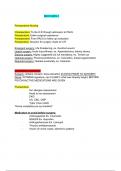
Perioperative Nursing
Intraoperative: To the O.R through admission to PACU
Perioperative: Entire surgical experience
Postoperative: From PACU to follow up evaluation
Preoperative: Decision for surgery made to O.R
Emergent surgery: Life threatening, ex. Gunshot wound
Urgent surgery: Acute injury/illness, ex. Appendectomy, kidney stones
Elective surgery: Highly suggested but not mandatory, ex. Tonsils out
Optional surgery: Personal preference, ex. Cosmetics, breast augmentation
Required surgery: Needed eventually, ex. Cataracts
INFORMED CONSENT:
Surgeon: obtains consent, does education 30 DAYS PRIOR TO SURGERY
Nurse: WITNESS signature, can CLARIFY what was already taught, BEFORE
PSYCHOACTIVE MEDICATIONS ARE GIVEN
Preoperative:
· Hx/ allergies assessment
· Head to toe assessment
· EKG
· UA, CBC, CMP
· Type/ cross match
*Nurse completes pre-op checklist*
Medication to avoid before surgery:
· Anticoagulants Ex. Coumadin
· NSAIDS Ex. Ibuprofen
· Antihypertensives Ex. Lisinopril
· Tricyclic antidepressants
· Insulin (in some cases, tailored to patient)
,Intraoperative:
Circulating nurse: HAS TO BE AN RN
· Identifies patient, surgical site, consent, allergies
· Monitors patient safety
· Sets up supplies/ materials
· Documents
Scrub nurse: CAN BE LPN, SURGICAL TECH, RN
· Sets up table, remains sterile
· Hands tools to surgeon
· Oversees patients’ status from RN role, COUNTS SUPPLIES AT END
Regional anesthesia: injected around nerves
Epidural: Into epidural space, blocks pain but still little feeling. Sits upright during
procedure
CAN CAUSE HYPOTENSION AND RESPIRATORY DEPRESSION
Spinal: Into subarachnoid space, numbs all lower extremities and abdomen.
Lies on side, knee-chest position
CAN CAUSE A HEADACHE
Moderate sedation: Depresses LOC, for anxiety/ pain control (twilight zone)
Intraoperative complications:
Anesthesia awareness
Anaphylaxis
Hypoxia
Nausea/ vomiting (turn on side)
Malignant hyperthermia
First sign: tachycardia >150 bpm
Hypotension
Hypercapnia (high CO2)
Muscle rigidity (late sign)
High fever, can be over >107 (late sign)
,TREATMENT:
Dantrolene sodium
Post-Operative:
Post-op care:
· Vitals Q5-15 min
· Neurological assessment, LOC (Aldrete score 7 -10 to leave PACU)
· Respiratory assessment
· Assess surgical site
· Assess pain level
· Assess urine output, bowel sounds
· Check all drains/ IV sites
· MAINTAIN PATENT AIRWAY
Post-op complications:
· Pneumonia
· Atelectasis
· DVT
· Hypovolemic shock
· Infection
· Hemorrhage
*REPORT SYSTOLIC <90*
Endocrine Disorders:
Anterior pituitary: TSH, GH
Posterior Pituitary: ADH, oxytocin
Adrenal cortex: aldosterone, cortisol
Adrenal medulla: Epinephrine, non-epinephrine
Thyroid: T3, T4
Parathyroid: Calcium
, Addison’s:
-Hyposecretion of adrenal cortex hormones
DECREASE IN GLUCOCORTICOIDS, MINERALOCORTICOIDS, ANDROGENS
(LOW SALT, SEX, SUGAR)
SIGNS AND SYMPTOMS:
· Hyponatremia, hyperkalemia
· Hypoglycemia
· Fluid volume deficit
· Hypotension
· Hyperpigmentation (Eternal tan)
· Decreased resistance to stress
Treatment & management:
· Add hormones (steroid replacement) TAKE IN MORNING WITH FOOD
· Monitor vitals
· Monitor glucose
· Manage stress (quiet, non-stimulating environment)
· High protein/ high complex carbs
ADDISONIAN CRISIS:
-Acute exacerbation of Addison’s
Severe electrolyte imbalance (Hyperkalemia)
Can lead to:
· Dysrhythmias
· Hypotension (Extremely low=shock)
· Hypoglycemia
· Severe dehydration
· N/V
· Confusion
Treatment:
Perioperative Nursing
Intraoperative: To the O.R through admission to PACU
Perioperative: Entire surgical experience
Postoperative: From PACU to follow up evaluation
Preoperative: Decision for surgery made to O.R
Emergent surgery: Life threatening, ex. Gunshot wound
Urgent surgery: Acute injury/illness, ex. Appendectomy, kidney stones
Elective surgery: Highly suggested but not mandatory, ex. Tonsils out
Optional surgery: Personal preference, ex. Cosmetics, breast augmentation
Required surgery: Needed eventually, ex. Cataracts
INFORMED CONSENT:
Surgeon: obtains consent, does education 30 DAYS PRIOR TO SURGERY
Nurse: WITNESS signature, can CLARIFY what was already taught, BEFORE
PSYCHOACTIVE MEDICATIONS ARE GIVEN
Preoperative:
· Hx/ allergies assessment
· Head to toe assessment
· EKG
· UA, CBC, CMP
· Type/ cross match
*Nurse completes pre-op checklist*
Medication to avoid before surgery:
· Anticoagulants Ex. Coumadin
· NSAIDS Ex. Ibuprofen
· Antihypertensives Ex. Lisinopril
· Tricyclic antidepressants
· Insulin (in some cases, tailored to patient)
,Intraoperative:
Circulating nurse: HAS TO BE AN RN
· Identifies patient, surgical site, consent, allergies
· Monitors patient safety
· Sets up supplies/ materials
· Documents
Scrub nurse: CAN BE LPN, SURGICAL TECH, RN
· Sets up table, remains sterile
· Hands tools to surgeon
· Oversees patients’ status from RN role, COUNTS SUPPLIES AT END
Regional anesthesia: injected around nerves
Epidural: Into epidural space, blocks pain but still little feeling. Sits upright during
procedure
CAN CAUSE HYPOTENSION AND RESPIRATORY DEPRESSION
Spinal: Into subarachnoid space, numbs all lower extremities and abdomen.
Lies on side, knee-chest position
CAN CAUSE A HEADACHE
Moderate sedation: Depresses LOC, for anxiety/ pain control (twilight zone)
Intraoperative complications:
Anesthesia awareness
Anaphylaxis
Hypoxia
Nausea/ vomiting (turn on side)
Malignant hyperthermia
First sign: tachycardia >150 bpm
Hypotension
Hypercapnia (high CO2)
Muscle rigidity (late sign)
High fever, can be over >107 (late sign)
,TREATMENT:
Dantrolene sodium
Post-Operative:
Post-op care:
· Vitals Q5-15 min
· Neurological assessment, LOC (Aldrete score 7 -10 to leave PACU)
· Respiratory assessment
· Assess surgical site
· Assess pain level
· Assess urine output, bowel sounds
· Check all drains/ IV sites
· MAINTAIN PATENT AIRWAY
Post-op complications:
· Pneumonia
· Atelectasis
· DVT
· Hypovolemic shock
· Infection
· Hemorrhage
*REPORT SYSTOLIC <90*
Endocrine Disorders:
Anterior pituitary: TSH, GH
Posterior Pituitary: ADH, oxytocin
Adrenal cortex: aldosterone, cortisol
Adrenal medulla: Epinephrine, non-epinephrine
Thyroid: T3, T4
Parathyroid: Calcium
, Addison’s:
-Hyposecretion of adrenal cortex hormones
DECREASE IN GLUCOCORTICOIDS, MINERALOCORTICOIDS, ANDROGENS
(LOW SALT, SEX, SUGAR)
SIGNS AND SYMPTOMS:
· Hyponatremia, hyperkalemia
· Hypoglycemia
· Fluid volume deficit
· Hypotension
· Hyperpigmentation (Eternal tan)
· Decreased resistance to stress
Treatment & management:
· Add hormones (steroid replacement) TAKE IN MORNING WITH FOOD
· Monitor vitals
· Monitor glucose
· Manage stress (quiet, non-stimulating environment)
· High protein/ high complex carbs
ADDISONIAN CRISIS:
-Acute exacerbation of Addison’s
Severe electrolyte imbalance (Hyperkalemia)
Can lead to:
· Dysrhythmias
· Hypotension (Extremely low=shock)
· Hypoglycemia
· Severe dehydration
· N/V
· Confusion
Treatment: