Unit 4: Reasons
Wednesday, 06 February 2019 11:45 AM
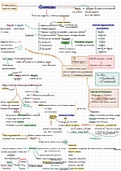
The right to request reasons and access information
The final basic requirement that the administrative law imposes on administrative action is that an administrator must
provide those adversely affected by her decisions with adequate written reasons for that decision on request. This
aspect of the right to just administrative action ≠ a requirement against which the validity of administrative action can
be tested, as with lawfulness, fairness and reasonableness. Rather this aspect of the right makes possible the proper
application of those three requirements: only once you have the reasons for a decision can you determine whether or
not that decision was reasonable and in some instances whether or not it was lawful or fair.
A. Background
Apartheid Era
- In pre-democratic era there was no general duty, in statute or otherwise, to give reasons whether orally or in
writing
- Duties were recognised in limited situations (such as in specific legislation e.g. Internal Security Act, 1982 which
required reasons for detention)
- Reasons were considered as inferentially relevant in determining rationality in administrative review
Constitution
- Section 33(2): "Everyone whose rights have been adversely affected by administrative action has the right to be
given written reasons"
- Section 1(d): Values of "accountability, responsiveness and openness"
- Section 195(1)(f): "Public administration must be accountable"
- Mureinik: Culture of authority to culture of Justification. In Kiva: "contributes to the attainment of a culture of
justification for the exercise of public power"
- The right to reasons is entrenched:
○ Section 33(2) of the Constitution:
"Everyone whose rights have been adversely affected by administrative action has the right to be
given written reasons"
○ Section 5 of PAJA:
Section 5(1): "Any person whose rights have been materially and adversely affected by administrative
action and who has not been given reasons for the action may, within 90 days after the date on which
that person became aware of the action or might reasonably have been expected to have become
aware of the action, request that the administrator concerned furnish written reasons for the action"
- Importance of the right to reasons:
○ Its practical or instrumental value
Need to know so you can decide whether and/or how to complain/appeal (Goodman Brothers: "can't
know whether there is discrimination unless I know reasons")
Educating those subject to decisions and allows possibility of learning from mistakes (Kiva: "how can I
improve", "why do I keep missing out on promotion")
Increases public confidence in decision making
Improves decision making/decision making process itself
○ Its accountability enhancing role
Kiva: "giving reasons is not a value-free mechanical process"
○ Respect for dignity of persons affected by decisions?
○ Hoexter: Procedural benefits (assist litigant in understanding what steps to take next in face of decision) and
substantive benefits (improving quality of decision)
One of the pivotal purposes of reasons is to justify administrative action, and by doing so to advance
the constitutional requirements of 'fairness, accountability and transparency'
- The importance of reasons was recognised by Baxter as follows:
1. A duty to give reasons entails a duty to rationalise the decision. Reasons therefore help to structure the
exercise of discretion.
2. Furnishing reasons satisfies an important desire on the part of the affected individual to know why a
decision was reached - this is not only fair, but also conducive to public confidence in the administrative
decision-making process
3. Rational criticism of a decision may only be made when the reasons for it are known - this subjects the
administration to public scrutiny and it also provides an important basis for appeal or review
4. Reasons may serve an educative process, so that an applicant may correct the grounds on which he has
been refused for the purpose of future applications
, The absence of reasons for a decision effectively prevents an affected person from protecting his or her
administrative justice rights.
Drawbacks (perceived/real) of providing reasons:
- Formulating and communicating written reasons is a time-consuming exercise
- It will stifle the exercise of discretion
- Reasons cannot be furnished in all instances
- It will lead to ex post facto fabrication of artificial reasons to justify the decision
- It will lead to an increase in review applications
∴ one of the most important balances to be struck is between protecting the administrative justice rights of the
individual on the one hand and promoting administrative efficiency on the other - an administrator ought not to be
unreasonably overburdened by having to provide reasons
B. Section 5 of PAJA
(a) Content of the right to reasons
Prescribed material:
1. Sections 5(1) and (2) of PAJA
2. Kiva v Minister of Correctional Services [2006] ZAECHC 34 (27 July 2006)
3. Minister of Environmental Affairs and Tourism v Phambili Fisheries (Pty) Ltd 2003 (6) SA 407 (SCA)
4. Hoexter, pages 476–481
5. Quinot, pages 193–197
In terms of section 5 a person is entitled:
- to request reasons for administrative decisions and then,
- within 90 days after the request was received by an administrator,
- receive adequate reasons for the decision
- receive such reasons in writing.
PAJA section 5(1)-(3):
- Materially and adversely affected by AA (NOTE: "materially" probably makes no difference here. See Kiva, Joseph
and Hoexter)
- Within 90 days after the date on which that person became aware or reasonably expected to be aware of AA
- Request
- Written, adequate reasons must be provided within 90 days of receiving request
- Unless…
(b) Scope of the right to reasons: in what ways is the right to reasons limited?
Prescribed material:
1. Sections 5(1), 5(4) and 5(6) of PAJA
2. Kiva v Minister of Correctional Services [2006] ZAECHC 34 (27 July 2006)
3. Hoexter, pages 470–476
4. Quinot, pages 197–213
PAJA s 5(6):
Possibility of publication of a list by Minister AA decision or groups of AA decisions affecting rights which administrator
should "automatically furnish reasons"
What are adequate reasons?
- Koyabe:
○ "Although the reasons must be sufficient, they need not be specified in minute detail, nor is it necessary to
show how every relevant fact weighed in the ultimate finding. What constitutes adequate reasons will
therefore vary, depending on the circumstances of the particular case. Ordinarily, reasons will be adequate
if a complainant can make out a reasonably substantial case for…review or appeal" (Koyabe para 63)
- Kiva
○ Facts:
Applicant is NELSON BALEKILE KIVA
Employed by Department of Correctional Service as Area Commissioner stationed at a prison (level
Deputy Director).
In 2003 he applies for Director level post.
Short-listed, interviewed, but not promoted.
Informed by letter (LETTER #1) that he failed on 21 October 2003.
Wednesday, 06 February 2019 11:45 AM
The right to request reasons and access information
The final basic requirement that the administrative law imposes on administrative action is that an administrator must
provide those adversely affected by her decisions with adequate written reasons for that decision on request. This
aspect of the right to just administrative action ≠ a requirement against which the validity of administrative action can
be tested, as with lawfulness, fairness and reasonableness. Rather this aspect of the right makes possible the proper
application of those three requirements: only once you have the reasons for a decision can you determine whether or
not that decision was reasonable and in some instances whether or not it was lawful or fair.
A. Background
Apartheid Era
- In pre-democratic era there was no general duty, in statute or otherwise, to give reasons whether orally or in
writing
- Duties were recognised in limited situations (such as in specific legislation e.g. Internal Security Act, 1982 which
required reasons for detention)
- Reasons were considered as inferentially relevant in determining rationality in administrative review
Constitution
- Section 33(2): "Everyone whose rights have been adversely affected by administrative action has the right to be
given written reasons"
- Section 1(d): Values of "accountability, responsiveness and openness"
- Section 195(1)(f): "Public administration must be accountable"
- Mureinik: Culture of authority to culture of Justification. In Kiva: "contributes to the attainment of a culture of
justification for the exercise of public power"
- The right to reasons is entrenched:
○ Section 33(2) of the Constitution:
"Everyone whose rights have been adversely affected by administrative action has the right to be
given written reasons"
○ Section 5 of PAJA:
Section 5(1): "Any person whose rights have been materially and adversely affected by administrative
action and who has not been given reasons for the action may, within 90 days after the date on which
that person became aware of the action or might reasonably have been expected to have become
aware of the action, request that the administrator concerned furnish written reasons for the action"
- Importance of the right to reasons:
○ Its practical or instrumental value
Need to know so you can decide whether and/or how to complain/appeal (Goodman Brothers: "can't
know whether there is discrimination unless I know reasons")
Educating those subject to decisions and allows possibility of learning from mistakes (Kiva: "how can I
improve", "why do I keep missing out on promotion")
Increases public confidence in decision making
Improves decision making/decision making process itself
○ Its accountability enhancing role
Kiva: "giving reasons is not a value-free mechanical process"
○ Respect for dignity of persons affected by decisions?
○ Hoexter: Procedural benefits (assist litigant in understanding what steps to take next in face of decision) and
substantive benefits (improving quality of decision)
One of the pivotal purposes of reasons is to justify administrative action, and by doing so to advance
the constitutional requirements of 'fairness, accountability and transparency'
- The importance of reasons was recognised by Baxter as follows:
1. A duty to give reasons entails a duty to rationalise the decision. Reasons therefore help to structure the
exercise of discretion.
2. Furnishing reasons satisfies an important desire on the part of the affected individual to know why a
decision was reached - this is not only fair, but also conducive to public confidence in the administrative
decision-making process
3. Rational criticism of a decision may only be made when the reasons for it are known - this subjects the
administration to public scrutiny and it also provides an important basis for appeal or review
4. Reasons may serve an educative process, so that an applicant may correct the grounds on which he has
been refused for the purpose of future applications
, The absence of reasons for a decision effectively prevents an affected person from protecting his or her
administrative justice rights.
Drawbacks (perceived/real) of providing reasons:
- Formulating and communicating written reasons is a time-consuming exercise
- It will stifle the exercise of discretion
- Reasons cannot be furnished in all instances
- It will lead to ex post facto fabrication of artificial reasons to justify the decision
- It will lead to an increase in review applications
∴ one of the most important balances to be struck is between protecting the administrative justice rights of the
individual on the one hand and promoting administrative efficiency on the other - an administrator ought not to be
unreasonably overburdened by having to provide reasons
B. Section 5 of PAJA
(a) Content of the right to reasons
Prescribed material:
1. Sections 5(1) and (2) of PAJA
2. Kiva v Minister of Correctional Services [2006] ZAECHC 34 (27 July 2006)
3. Minister of Environmental Affairs and Tourism v Phambili Fisheries (Pty) Ltd 2003 (6) SA 407 (SCA)
4. Hoexter, pages 476–481
5. Quinot, pages 193–197
In terms of section 5 a person is entitled:
- to request reasons for administrative decisions and then,
- within 90 days after the request was received by an administrator,
- receive adequate reasons for the decision
- receive such reasons in writing.
PAJA section 5(1)-(3):
- Materially and adversely affected by AA (NOTE: "materially" probably makes no difference here. See Kiva, Joseph
and Hoexter)
- Within 90 days after the date on which that person became aware or reasonably expected to be aware of AA
- Request
- Written, adequate reasons must be provided within 90 days of receiving request
- Unless…
(b) Scope of the right to reasons: in what ways is the right to reasons limited?
Prescribed material:
1. Sections 5(1), 5(4) and 5(6) of PAJA
2. Kiva v Minister of Correctional Services [2006] ZAECHC 34 (27 July 2006)
3. Hoexter, pages 470–476
4. Quinot, pages 197–213
PAJA s 5(6):
Possibility of publication of a list by Minister AA decision or groups of AA decisions affecting rights which administrator
should "automatically furnish reasons"
What are adequate reasons?
- Koyabe:
○ "Although the reasons must be sufficient, they need not be specified in minute detail, nor is it necessary to
show how every relevant fact weighed in the ultimate finding. What constitutes adequate reasons will
therefore vary, depending on the circumstances of the particular case. Ordinarily, reasons will be adequate
if a complainant can make out a reasonably substantial case for…review or appeal" (Koyabe para 63)
- Kiva
○ Facts:
Applicant is NELSON BALEKILE KIVA
Employed by Department of Correctional Service as Area Commissioner stationed at a prison (level
Deputy Director).
In 2003 he applies for Director level post.
Short-listed, interviewed, but not promoted.
Informed by letter (LETTER #1) that he failed on 21 October 2003.