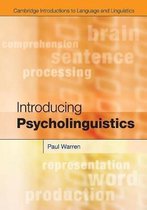
Introducing psycholinguistics
Inhoudsopgave
Chapter 1 – Introduction .................................................................................................................................. 4
1.1 - Introduction ....................................................................................................................................... 4
1.2 – What is psycholinguistics?................................................................................................................. 4
1.4 – How do we do psycholinguistics ................................................................................................................ 5
Chapter 2 – Planning utterance ........................................................................................................................ 5
2.1 – Introduction ............................................................................................................................................... 5
2.2 – A sketch of the production process ............................................................................................................ 6
2.3 – Conceptualisation and planning ................................................................................................................ 6
2.4 – Cycles of planning ...................................................................................................................................... 7
2.5 – Formulation ............................................................................................................................................... 8
2.6 - Sentence complexity ................................................................................................................................... 9
2.7 – Syntax and speech ..................................................................................................................................... 9
Summary ............................................................................................................................................................ 9
Chapter 3 – Finding words ................................................................................................................................ 9
3.1 – Introduction ....................................................................................................................................... 9
3.2 – Pausing and predictability ............................................................................................................... 10
3.3 – Speech errors and lexical selection .................................................................................................. 10
3.4 – Getting the order wrong .......................................................................................................................... 12
3.5 – Association norms.................................................................................................................................... 12
Summary .......................................................................................................................................................... 12
Chapter 4 – Building words ............................................................................................................................ 13
4.1 – Introduction ............................................................................................................................................. 13
4.2 – Tip of the tongue ..................................................................................................................................... 13
4.3 – Speech errors and morphological structure ............................................................................................. 13
4.4 – Speech errors and phonological encoding ............................................................................................... 14
Type of constraints ...................................................................................................................................... 15
4.5 - Tongue twisters ........................................................................................................................................ 16
Summary .......................................................................................................................................................... 16
Chapter 5 – Monitoring and repair ................................................................................................................. 17
5.1 – Introduction ............................................................................................................................................. 17
5.2 – Self-monitoring ........................................................................................................................................ 17
5.3 – Induced errors .......................................................................................................................................... 17
1
, 5.4 – Repair ...................................................................................................................................................... 17
5.5 – Editor theories ......................................................................................................................................... 18
5.6 – Speakers helping listeners ....................................................................................................................... 19
Summary .......................................................................................................................................................... 19
Chapter 6 – The use of gesture ....................................................................................................................... 19
6.1 – Introduction ..................................................................................................................................... 19
6.2 – Gestures as content ......................................................................................................................... 20
6.3 – Gesturing for discourse management ..................................................................................................... 20
6.4 – Gestures for emphasis ..................................................................................................................... 21
6.5 – Gestures, conceptualisation and lexicalisation ............................................................................... 21
6.6 - Who do we use gesture for? ............................................................................................................ 21
Summary .......................................................................................................................................................... 22
Chapter 7 – Perception of language................................................................................................................ 22
7.2 – Basic issues in perception for language ................................................................................................... 22
7.3 – Basic issues in speech perception ............................................................................................................ 24
7.4 – Basic issues in visual perception for language ......................................................................................... 25
7.5 – Influence of the linguistic system on perception ..................................................................................... 26
Summary .......................................................................................................................................................... 27
Chapter 8- Spoken word recognition .............................................................................................................. 27
8.1 – Introduction ............................................................................................................................................. 27
8.2 – What are words? ..................................................................................................................................... 27
8.3 – Pre-Lexical analysis .................................................................................................................................. 27
8.4 – Contact and activation ............................................................................................................................ 29
8.5 – Selection .................................................................................................................................................. 29
8.6 – Lexical access ........................................................................................................................................... 30
8.7 – Recognition and context effect ................................................................................................................ 30
8.8 – Frequency, competition and neighborhoods ........................................................................................... 30
8.9 – Recognising morphologically complex forms .......................................................................................... 31
Summary .......................................................................................................................................................... 32
Chapter 9 – Visual word recognition .............................................................................................................. 32
9.2 – Factors affecting visual word recognition ............................................................................................... 32
9.3 – Models of visual word recognition .......................................................................................................... 33
9.4 – Routes to read by ..................................................................................................................................... 34
9.5 – Dyslexia .................................................................................................................................................... 36
Summary .......................................................................................................................................................... 37
Chapter 10 – Syntactic sentence processing ................................................................................................... 37
10.2 – Complexity and sentence processing .................................................................................................... 38
2
, 10.3 – The clausal hypothesis ........................................................................................................................... 38
10.4 – Explicit syntactic markers ...................................................................................................................... 39
10.5 – Strategies for syntactic processing ........................................................................................................ 39
10.6 – Garden pats and the sausage machine ................................................................................................. 39
10.7 - Syntactic category ambiguity ................................................................................................................. 40
10.8 – Cross-Linguistics evidence for processing strategies ............................................................................. 40
Summary .......................................................................................................................................................... 41
Chapter 11 – Interpreting sentences .............................................................................................................. 41
11.3 – Syntax first ............................................................................................................................................. 41
11.4 – Presuppositions, plausibility and parsing .............................................................................................. 41
11.5 – Lexical preferences ................................................................................................................................ 42
11.6 – Prosody and parsing .............................................................................................................................. 42
11.7 – Constraint-based accounts .................................................................................................................... 43
11.8 – Hybrid accounts ..................................................................................................................................... 43
11.9 – Good-enough processing ....................................................................................................................... 44
Summary .......................................................................................................................................................... 44
Chapter 12 – Making connections .................................................................................................................. 44
12.2 – Mental model building .......................................................................................................................... 44
12.3 Inferences ................................................................................................................................................. 44
12.4 – Anaphora ............................................................................................................................................... 44
12.5 – Given and new ....................................................................................................................................... 45
12.6 – Fillers and gaps ...................................................................................................................................... 45
Summary .......................................................................................................................................................... 46
Chapter 13 – Architecture of the language processing system ....................................................................... 46
13.2 – Modularity within language processing ................................................................................................ 46
13.3 – The relationship of production and comprehension .............................................................................. 47
13.3 – The relationship of visual and spoken language.................................................................................... 48
13.5 – Language and other processing systems ............................................................................................... 48
13.6 – Language and the brain ......................................................................................................................... 48
Summary .......................................................................................................................................................... 48
Wordlist ............................................................................................................................................................ 49
3
, Chapter 1 – Introduction
The exam is written with 15 multiple choice questions and 3 open questions. Omitted or wrong
responses will not be counted. The final score will be given only by the sum of correct responses only
at the multiple choice questions plus up to 5 point for each open question.
1.1 - Introduction
Mental lexicon: dictionary in our head, consisting of representations for the forms and contents of
words.
- We have around 20.000 words in our brain.
- There are certain preferred patterns of analyzing the structure and meaning of sentences in
English.
1.2 – What is psycholinguistics?
Psycholinguistics: the study of the mental representations and processes involved in language use,
including the production, comprehension and storage of spoken and written language.
Questions about representations:
- How are words stored?
- How is the meaning of a sentence represented in our memory?
Questions about process
- How do we recognise words so effortlessly?
- How do we convert an idea into an utterance?
Outline sketch of language use
Language producer (speaker, writer)
- Goal: production of a message takes us from an underlying intention, through stages of
planning sentence structure and selecting words, to the articulation of the intention as a
consequence of sounds or letters.
Comprehender’s view (listener, reader)
Goal: perceive or recognise elements such as letters and sounds in the input, to recognise words an
to work out the connections between these words in sentence structure, in order to arrive at a
message-level interpretation.
- Bottom-up: processing based on information flow from lower levels of processing to higher
levels; from sensory input (the speech signal) to the lexicon (words)
- Top-down: processing guided by information from higher level (sentences/interpretation) to
lower level (words).
- Interactive processing: information flowing in both directions (bottom-up and to-down) as
well as between elements at the same level (recognizing one word had effect on the
likelihood of recognizing similar words). Most psycholinguist today support the idea of
interactive processing
4
Inhoudsopgave
Chapter 1 – Introduction .................................................................................................................................. 4
1.1 - Introduction ....................................................................................................................................... 4
1.2 – What is psycholinguistics?................................................................................................................. 4
1.4 – How do we do psycholinguistics ................................................................................................................ 5
Chapter 2 – Planning utterance ........................................................................................................................ 5
2.1 – Introduction ............................................................................................................................................... 5
2.2 – A sketch of the production process ............................................................................................................ 6
2.3 – Conceptualisation and planning ................................................................................................................ 6
2.4 – Cycles of planning ...................................................................................................................................... 7
2.5 – Formulation ............................................................................................................................................... 8
2.6 - Sentence complexity ................................................................................................................................... 9
2.7 – Syntax and speech ..................................................................................................................................... 9
Summary ............................................................................................................................................................ 9
Chapter 3 – Finding words ................................................................................................................................ 9
3.1 – Introduction ....................................................................................................................................... 9
3.2 – Pausing and predictability ............................................................................................................... 10
3.3 – Speech errors and lexical selection .................................................................................................. 10
3.4 – Getting the order wrong .......................................................................................................................... 12
3.5 – Association norms.................................................................................................................................... 12
Summary .......................................................................................................................................................... 12
Chapter 4 – Building words ............................................................................................................................ 13
4.1 – Introduction ............................................................................................................................................. 13
4.2 – Tip of the tongue ..................................................................................................................................... 13
4.3 – Speech errors and morphological structure ............................................................................................. 13
4.4 – Speech errors and phonological encoding ............................................................................................... 14
Type of constraints ...................................................................................................................................... 15
4.5 - Tongue twisters ........................................................................................................................................ 16
Summary .......................................................................................................................................................... 16
Chapter 5 – Monitoring and repair ................................................................................................................. 17
5.1 – Introduction ............................................................................................................................................. 17
5.2 – Self-monitoring ........................................................................................................................................ 17
5.3 – Induced errors .......................................................................................................................................... 17
1
, 5.4 – Repair ...................................................................................................................................................... 17
5.5 – Editor theories ......................................................................................................................................... 18
5.6 – Speakers helping listeners ....................................................................................................................... 19
Summary .......................................................................................................................................................... 19
Chapter 6 – The use of gesture ....................................................................................................................... 19
6.1 – Introduction ..................................................................................................................................... 19
6.2 – Gestures as content ......................................................................................................................... 20
6.3 – Gesturing for discourse management ..................................................................................................... 20
6.4 – Gestures for emphasis ..................................................................................................................... 21
6.5 – Gestures, conceptualisation and lexicalisation ............................................................................... 21
6.6 - Who do we use gesture for? ............................................................................................................ 21
Summary .......................................................................................................................................................... 22
Chapter 7 – Perception of language................................................................................................................ 22
7.2 – Basic issues in perception for language ................................................................................................... 22
7.3 – Basic issues in speech perception ............................................................................................................ 24
7.4 – Basic issues in visual perception for language ......................................................................................... 25
7.5 – Influence of the linguistic system on perception ..................................................................................... 26
Summary .......................................................................................................................................................... 27
Chapter 8- Spoken word recognition .............................................................................................................. 27
8.1 – Introduction ............................................................................................................................................. 27
8.2 – What are words? ..................................................................................................................................... 27
8.3 – Pre-Lexical analysis .................................................................................................................................. 27
8.4 – Contact and activation ............................................................................................................................ 29
8.5 – Selection .................................................................................................................................................. 29
8.6 – Lexical access ........................................................................................................................................... 30
8.7 – Recognition and context effect ................................................................................................................ 30
8.8 – Frequency, competition and neighborhoods ........................................................................................... 30
8.9 – Recognising morphologically complex forms .......................................................................................... 31
Summary .......................................................................................................................................................... 32
Chapter 9 – Visual word recognition .............................................................................................................. 32
9.2 – Factors affecting visual word recognition ............................................................................................... 32
9.3 – Models of visual word recognition .......................................................................................................... 33
9.4 – Routes to read by ..................................................................................................................................... 34
9.5 – Dyslexia .................................................................................................................................................... 36
Summary .......................................................................................................................................................... 37
Chapter 10 – Syntactic sentence processing ................................................................................................... 37
10.2 – Complexity and sentence processing .................................................................................................... 38
2
, 10.3 – The clausal hypothesis ........................................................................................................................... 38
10.4 – Explicit syntactic markers ...................................................................................................................... 39
10.5 – Strategies for syntactic processing ........................................................................................................ 39
10.6 – Garden pats and the sausage machine ................................................................................................. 39
10.7 - Syntactic category ambiguity ................................................................................................................. 40
10.8 – Cross-Linguistics evidence for processing strategies ............................................................................. 40
Summary .......................................................................................................................................................... 41
Chapter 11 – Interpreting sentences .............................................................................................................. 41
11.3 – Syntax first ............................................................................................................................................. 41
11.4 – Presuppositions, plausibility and parsing .............................................................................................. 41
11.5 – Lexical preferences ................................................................................................................................ 42
11.6 – Prosody and parsing .............................................................................................................................. 42
11.7 – Constraint-based accounts .................................................................................................................... 43
11.8 – Hybrid accounts ..................................................................................................................................... 43
11.9 – Good-enough processing ....................................................................................................................... 44
Summary .......................................................................................................................................................... 44
Chapter 12 – Making connections .................................................................................................................. 44
12.2 – Mental model building .......................................................................................................................... 44
12.3 Inferences ................................................................................................................................................. 44
12.4 – Anaphora ............................................................................................................................................... 44
12.5 – Given and new ....................................................................................................................................... 45
12.6 – Fillers and gaps ...................................................................................................................................... 45
Summary .......................................................................................................................................................... 46
Chapter 13 – Architecture of the language processing system ....................................................................... 46
13.2 – Modularity within language processing ................................................................................................ 46
13.3 – The relationship of production and comprehension .............................................................................. 47
13.3 – The relationship of visual and spoken language.................................................................................... 48
13.5 – Language and other processing systems ............................................................................................... 48
13.6 – Language and the brain ......................................................................................................................... 48
Summary .......................................................................................................................................................... 48
Wordlist ............................................................................................................................................................ 49
3
, Chapter 1 – Introduction
The exam is written with 15 multiple choice questions and 3 open questions. Omitted or wrong
responses will not be counted. The final score will be given only by the sum of correct responses only
at the multiple choice questions plus up to 5 point for each open question.
1.1 - Introduction
Mental lexicon: dictionary in our head, consisting of representations for the forms and contents of
words.
- We have around 20.000 words in our brain.
- There are certain preferred patterns of analyzing the structure and meaning of sentences in
English.
1.2 – What is psycholinguistics?
Psycholinguistics: the study of the mental representations and processes involved in language use,
including the production, comprehension and storage of spoken and written language.
Questions about representations:
- How are words stored?
- How is the meaning of a sentence represented in our memory?
Questions about process
- How do we recognise words so effortlessly?
- How do we convert an idea into an utterance?
Outline sketch of language use
Language producer (speaker, writer)
- Goal: production of a message takes us from an underlying intention, through stages of
planning sentence structure and selecting words, to the articulation of the intention as a
consequence of sounds or letters.
Comprehender’s view (listener, reader)
Goal: perceive or recognise elements such as letters and sounds in the input, to recognise words an
to work out the connections between these words in sentence structure, in order to arrive at a
message-level interpretation.
- Bottom-up: processing based on information flow from lower levels of processing to higher
levels; from sensory input (the speech signal) to the lexicon (words)
- Top-down: processing guided by information from higher level (sentences/interpretation) to
lower level (words).
- Interactive processing: information flowing in both directions (bottom-up and to-down) as
well as between elements at the same level (recognizing one word had effect on the
likelihood of recognizing similar words). Most psycholinguist today support the idea of
interactive processing
4