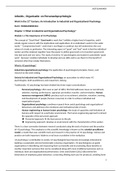
Patiënt Centred Care Delivery
Inhoudsopgave
Week 1 – Theme 1/Shared Decision Making (SDM).........................................................1
SDM: What?................................................................................................................. 1
SDM: Why?.................................................................................................................. 2
Possible objections of SDM.......................................................................................... 2
SDM: When?................................................................................................................ 3
SDM: obstacles............................................................................................................ 3
SDM: Requirements..................................................................................................... 4
Lecture 2 – Patient centered care delivery......................................................................4
Evidence based and PCC models.................................................................................5
Barriers PCCD.............................................................................................................. 6
Literature – Naomi (2008)........................................................................................... 6
Literature – Kuipers (2021)..........................................................................................7
Lecture 3 – Quality of Care Delivery...............................................................................8
Knowledge Clips theme 5 – Patient context matter......................................................13
Knowledge video 6........................................................................................................ 16
Part A: The role of community in promoting PCCD.....................................................16
Part B – Expanded CCM............................................................................................. 17
Part C: ICCC framework............................................................................................. 19
Part D – WHO framework age-friendly cities..............................................................21
Week 1 – Theme 1/Shared Decision Making (SDM)
Shared decision making always comes down to informed consent.
Informed consent is a one way interaction: the doctor gives information
and the patient says yes or no
Shared decision making is a two way interaction: the doctor gives
information and the patients asks question, clarification
- Discuss
- Debate
- Decide
The 3 D’s of shared decision making.
SDM: What?
Decision making model situated on a continuum between two extremes:
- Paternalism: the doctor tells whatever the patient needs
- Consumerism: informed choice (not SDM)
Numerous definitions of SDM:
- Define/explain problem
- Present options, discuss pros/cons
- Patient values/preferences, discuss patient ability/self efficacy
, - Doctor knowledge/recommendations
- Check/clarify understanding
- Make or explicitly defer decision
- Arrange follow-up
In summary:
1. Choice talk: here is exchange of information between a patient and
doctor, medical and personal information included
o Both are experts:
Doctor: medical knowledge
Patient: its own life and troubles
2. Option talk: Possible options and outcomes are discussed and
considered by patient and doctor
3. Decision talk: Doctor and patient reach consensus about what needs
to be done
This model is just a guideline, there’s not just one route and it all comes
down to having a conversation with the patient.
SDM: Why?
1. Ethicists
a. The right of patients to determine what happens to their
bodies is self evident. SDM increases autonomy
2. Economists
a. Increase in consumer power is a means to subject health care
providers to market discipline. SDM will increase cost
effectiveness.
3. Epidemiologists
a. Patients have an almost universal desire to be informed and to
be involved in the treatment in one way or another
4. Clinicians
a. More active involvement of patients in decision making
process improves treatment relationship with better outcomes
as a result enhanced patient adherence, more satisfaction,
better clinical outcomes
b. Some authors consider joint exexution to be the 4th element of
SDM
Possible objections of SDM
- Options may harm patients who are having difficulties in decision
making. Options may result in a growing awareness of missed
opportunities
- Patients may find it difficult to appreciate outcomes because of their
inability to foresee how they will adapt to outcomes
- Choice and having a say raise expectations. Dissapointment and
dissatisfaction lie ahead when clinical realities fail to meet
expectations
, SDM: When?
- SDM is propagated but rarely practiced in everyday health cate
o Dominant doctors
o Lack of time
o Docile patients
o Stress
o Lack of skills
o Communication problems
- It seems to be more appropriate for some patient groups and less for
others:
o Relatively healthy patients
o Patients with active coping abilities
o Patients with chronic conditions
- Less:
o Elderly patients
o Less educated patients
o Patients with acute or very severe somatic problems
o Patient who have to take minor decisions (low risk, minimally
invasive treatment)
o Patients with mental health problems
- In certain circumstances its appropriate:
o There’s uncertainty regarding effectiveness or outcome
o Risks and benefits are considerable or equal
o The patient is willing and able to participate actively
o The patient is able to comprehend and trade-offs (off-label
drugs prescription)
o SDM seems to fit perfectly with changing priorities in health
care, from acute to chronic care, and from cure (of diseases) to
management (of chronic illneses)
SDM: obstacles
1. Lack of resources (time, money)
a. Seeing more patients in less time is profitable
b. Implementation of SDM is costly
2. Fear of loss of professional autonomy
a. Doctors are creatures of habit
3. Poor communications
a. Giving information about risks and possible outcomes can be
extremely difficult
4. Patient needs and expectations
a. Belief among doctors that patients do not wish to be fully
informed and have little desire for continuous active
participation
b. Preferences among patients for active participation do in fact
vary
c. SDM has to be a choice as well
Inhoudsopgave
Week 1 – Theme 1/Shared Decision Making (SDM).........................................................1
SDM: What?................................................................................................................. 1
SDM: Why?.................................................................................................................. 2
Possible objections of SDM.......................................................................................... 2
SDM: When?................................................................................................................ 3
SDM: obstacles............................................................................................................ 3
SDM: Requirements..................................................................................................... 4
Lecture 2 – Patient centered care delivery......................................................................4
Evidence based and PCC models.................................................................................5
Barriers PCCD.............................................................................................................. 6
Literature – Naomi (2008)........................................................................................... 6
Literature – Kuipers (2021)..........................................................................................7
Lecture 3 – Quality of Care Delivery...............................................................................8
Knowledge Clips theme 5 – Patient context matter......................................................13
Knowledge video 6........................................................................................................ 16
Part A: The role of community in promoting PCCD.....................................................16
Part B – Expanded CCM............................................................................................. 17
Part C: ICCC framework............................................................................................. 19
Part D – WHO framework age-friendly cities..............................................................21
Week 1 – Theme 1/Shared Decision Making (SDM)
Shared decision making always comes down to informed consent.
Informed consent is a one way interaction: the doctor gives information
and the patient says yes or no
Shared decision making is a two way interaction: the doctor gives
information and the patients asks question, clarification
- Discuss
- Debate
- Decide
The 3 D’s of shared decision making.
SDM: What?
Decision making model situated on a continuum between two extremes:
- Paternalism: the doctor tells whatever the patient needs
- Consumerism: informed choice (not SDM)
Numerous definitions of SDM:
- Define/explain problem
- Present options, discuss pros/cons
- Patient values/preferences, discuss patient ability/self efficacy
, - Doctor knowledge/recommendations
- Check/clarify understanding
- Make or explicitly defer decision
- Arrange follow-up
In summary:
1. Choice talk: here is exchange of information between a patient and
doctor, medical and personal information included
o Both are experts:
Doctor: medical knowledge
Patient: its own life and troubles
2. Option talk: Possible options and outcomes are discussed and
considered by patient and doctor
3. Decision talk: Doctor and patient reach consensus about what needs
to be done
This model is just a guideline, there’s not just one route and it all comes
down to having a conversation with the patient.
SDM: Why?
1. Ethicists
a. The right of patients to determine what happens to their
bodies is self evident. SDM increases autonomy
2. Economists
a. Increase in consumer power is a means to subject health care
providers to market discipline. SDM will increase cost
effectiveness.
3. Epidemiologists
a. Patients have an almost universal desire to be informed and to
be involved in the treatment in one way or another
4. Clinicians
a. More active involvement of patients in decision making
process improves treatment relationship with better outcomes
as a result enhanced patient adherence, more satisfaction,
better clinical outcomes
b. Some authors consider joint exexution to be the 4th element of
SDM
Possible objections of SDM
- Options may harm patients who are having difficulties in decision
making. Options may result in a growing awareness of missed
opportunities
- Patients may find it difficult to appreciate outcomes because of their
inability to foresee how they will adapt to outcomes
- Choice and having a say raise expectations. Dissapointment and
dissatisfaction lie ahead when clinical realities fail to meet
expectations
, SDM: When?
- SDM is propagated but rarely practiced in everyday health cate
o Dominant doctors
o Lack of time
o Docile patients
o Stress
o Lack of skills
o Communication problems
- It seems to be more appropriate for some patient groups and less for
others:
o Relatively healthy patients
o Patients with active coping abilities
o Patients with chronic conditions
- Less:
o Elderly patients
o Less educated patients
o Patients with acute or very severe somatic problems
o Patient who have to take minor decisions (low risk, minimally
invasive treatment)
o Patients with mental health problems
- In certain circumstances its appropriate:
o There’s uncertainty regarding effectiveness or outcome
o Risks and benefits are considerable or equal
o The patient is willing and able to participate actively
o The patient is able to comprehend and trade-offs (off-label
drugs prescription)
o SDM seems to fit perfectly with changing priorities in health
care, from acute to chronic care, and from cure (of diseases) to
management (of chronic illneses)
SDM: obstacles
1. Lack of resources (time, money)
a. Seeing more patients in less time is profitable
b. Implementation of SDM is costly
2. Fear of loss of professional autonomy
a. Doctors are creatures of habit
3. Poor communications
a. Giving information about risks and possible outcomes can be
extremely difficult
4. Patient needs and expectations
a. Belief among doctors that patients do not wish to be fully
informed and have little desire for continuous active
participation
b. Preferences among patients for active participation do in fact
vary
c. SDM has to be a choice as well