1- Coasts
Terms in this set (98)
Coast The border between land and sea.
Tourism
Sport
Ecosystem
Fishing
Why are coasts important? Oil / gas reserves
Housing
Industry
Transport
Walkers
Rising sea levels
Pollution
Litter
Why are coasts under threat? Overfishing
Erosion
Tropical storms
Privatisation increases cost
Wave Oscillations in water formed by the friction between the wind and the sea.
Wave formation ...
Duration of wind
Factors affecting the size of a wave Strength of wind
Fetch (the distance travelled by a wave)
Crest Top of a wave.
Trough Bottom of a wave.
Wavelength Distance between two crests / troughs.
Wave Height Distance between crest and trough.
Wave Frequency Waves per second
Velocity The speed that a wave is travelling at, influenced by wind, fetch and depth of water.
Swash Water washed up beach
Backwash Water drawn down beach
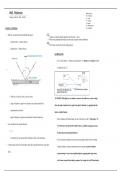
As the wave reaches shallower water, the friction with the sea bed increases and
thus the wave slows down.
Wave Refraction If there is a headland, the waves slow down where the water is shallower, but
continue to travel to the bay where water is deeper. As a result, the wave disperses
its energy differently and contributes to the forming of a headland.
Terms in this set (98)
Coast The border between land and sea.
Tourism
Sport
Ecosystem
Fishing
Why are coasts important? Oil / gas reserves
Housing
Industry
Transport
Walkers
Rising sea levels
Pollution
Litter
Why are coasts under threat? Overfishing
Erosion
Tropical storms
Privatisation increases cost
Wave Oscillations in water formed by the friction between the wind and the sea.
Wave formation ...
Duration of wind
Factors affecting the size of a wave Strength of wind
Fetch (the distance travelled by a wave)
Crest Top of a wave.
Trough Bottom of a wave.
Wavelength Distance between two crests / troughs.
Wave Height Distance between crest and trough.
Wave Frequency Waves per second
Velocity The speed that a wave is travelling at, influenced by wind, fetch and depth of water.
Swash Water washed up beach
Backwash Water drawn down beach
As the wave reaches shallower water, the friction with the sea bed increases and
thus the wave slows down.
Wave Refraction If there is a headland, the waves slow down where the water is shallower, but
continue to travel to the bay where water is deeper. As a result, the wave disperses
its energy differently and contributes to the forming of a headland.