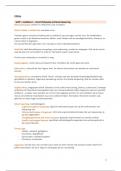
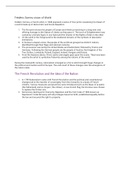
ACTIVE LEARNING TEMPLATE: Medication
STUDENT NAME _____________________________________
ciprofloxacin
MEDICATION __________________________________________________________________________ REVIEW MODULE CHAPTER ___________
Fluoroquinolones
CATEGORY CLASS ______________________________________________________________________
PURPOSE OF MEDICATION
Expected Pharmacological Action Therapeutic Use
•Broadspectrum antimicrobials treat a wide variety of microorganisms (some
Fluoroquinolones are bactericidal due to grampositive bacteria and gramnegative bacteria.
inhibition of an enzyme necessary for DNA •Alternative to parenteral antibiotics for clients who have severe infections
•Urinary, respiratory, and GI tract infections; infections of bones, joints, skin,
replication. and soft tissues.
Complications Medication Administration
•GI discomfort (nausea, vomiting, diarrhea). Available in oral and IV formulations.
•Achilles tendon rupture. •Discontinue other IV infusions or use
another IV site when administering
•Suprainfection (thrush, vaginal yeast infection) ciprofloxacin IV.
•Phototoxicity • Give lower dosages to clients who have
impaired kidney function.
• Administer ciprofloxacin IV in a dilute
solution slowly over 60 min in a large vein.
•For inhalation anthrax infection, give
ciprofloxacin every 12 hr for 60 days.
Contraindications/Precautions
● Do not administer to children younger than 18 years of age (due to the risk of Achilles tendon rupture),
unless the treatment is for Escherichia coli infections of the urinary tract or inhalational anthrax.
● Increases the risk for a Clostridium difficile infection because it destroys normal intestinal flora.
● Can affect the CNS (dizziness, headache, restlessness, confusion). Use cautiously with older adults and Nursing Interventions
with
clients who have cardiovascular disorders.
● Pregnancy Risk Category C. Obtain urinalysis for microscopic
analysis for crystalluria prior to and
during treatment. Evaluate food
tolerance. Monitor daily pattern of
bowl activity, stool consistency.
Interactions Encourage hydration. Monitor
dizziness, headache, visual changes,
•Cationic compounds (aluminum- or magnesiumcontaining antacids, iron salts, tremors. Assess chest, joint pain.
sucralfate, dairy products) decrease the absorption of ciprofloxacin.
•Plasma levels of warfarin can increase with concurrent use of ciprofloxacin
•Plasma levels of theophylline can increase with concurrent use of ciprofloxacin.
Client Education
Do no skip doses; take full course of
therapy. Maintain adequate hydration
Evaluation of Medication Effectiveness to prevent crystalluria. Do not take
antacids within 2 hrs of ciprofolaxin.
A decrease in the manifestations of UTI (frequency, Shake suspension well before using;
burning, and dysuria). do not chew microcapsules in
Negative urine cultures and lower WBC counts. suspension. Avoid caffeine. Report
No evidence of suprainfection. tendon pain or swelling.
ACTIVE LEARNING TEMPLATES
STUDENT NAME _____________________________________
ciprofloxacin
MEDICATION __________________________________________________________________________ REVIEW MODULE CHAPTER ___________
Fluoroquinolones
CATEGORY CLASS ______________________________________________________________________
PURPOSE OF MEDICATION
Expected Pharmacological Action Therapeutic Use
•Broadspectrum antimicrobials treat a wide variety of microorganisms (some
Fluoroquinolones are bactericidal due to grampositive bacteria and gramnegative bacteria.
inhibition of an enzyme necessary for DNA •Alternative to parenteral antibiotics for clients who have severe infections
•Urinary, respiratory, and GI tract infections; infections of bones, joints, skin,
replication. and soft tissues.
Complications Medication Administration
•GI discomfort (nausea, vomiting, diarrhea). Available in oral and IV formulations.
•Achilles tendon rupture. •Discontinue other IV infusions or use
another IV site when administering
•Suprainfection (thrush, vaginal yeast infection) ciprofloxacin IV.
•Phototoxicity • Give lower dosages to clients who have
impaired kidney function.
• Administer ciprofloxacin IV in a dilute
solution slowly over 60 min in a large vein.
•For inhalation anthrax infection, give
ciprofloxacin every 12 hr for 60 days.
Contraindications/Precautions
● Do not administer to children younger than 18 years of age (due to the risk of Achilles tendon rupture),
unless the treatment is for Escherichia coli infections of the urinary tract or inhalational anthrax.
● Increases the risk for a Clostridium difficile infection because it destroys normal intestinal flora.
● Can affect the CNS (dizziness, headache, restlessness, confusion). Use cautiously with older adults and Nursing Interventions
with
clients who have cardiovascular disorders.
● Pregnancy Risk Category C. Obtain urinalysis for microscopic
analysis for crystalluria prior to and
during treatment. Evaluate food
tolerance. Monitor daily pattern of
bowl activity, stool consistency.
Interactions Encourage hydration. Monitor
dizziness, headache, visual changes,
•Cationic compounds (aluminum- or magnesiumcontaining antacids, iron salts, tremors. Assess chest, joint pain.
sucralfate, dairy products) decrease the absorption of ciprofloxacin.
•Plasma levels of warfarin can increase with concurrent use of ciprofloxacin
•Plasma levels of theophylline can increase with concurrent use of ciprofloxacin.
Client Education
Do no skip doses; take full course of
therapy. Maintain adequate hydration
Evaluation of Medication Effectiveness to prevent crystalluria. Do not take
antacids within 2 hrs of ciprofolaxin.
A decrease in the manifestations of UTI (frequency, Shake suspension well before using;
burning, and dysuria). do not chew microcapsules in
Negative urine cultures and lower WBC counts. suspension. Avoid caffeine. Report
No evidence of suprainfection. tendon pain or swelling.
ACTIVE LEARNING TEMPLATES