Key
dates
People/country/organisations
Stats and figures
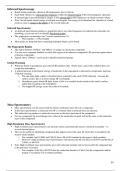
Eisenhower: 1952-1960
Foreign Policy
Relations with Khrushchev/USSR
10 Nov 1958 Khrushchev gives western powers 6 months to remove troops from Berlin
- Part of the long term aim of removing the West’s influence
11 May- 20 June, 13 July- 5 August 1959 Foreign Ministers Conference in Geneva
- Eisenhower determined not to give in to Soviet Power
- Invited Khrushchev to US for talks
15 Sep 1959 Khrushchev arrives in the US
- Tour lasts 11 days
- Agreed Eisenhower would visit Moscow that following year
Space Race
4 October 1957-5 January 1958 USSR launched Sputnik into space
3 November 1958 launch Sputnik 2 with dog Laika
- Questions America as a technical leader
6 December 1957 US Vanguard TV-3 launched
- Blew up 4 feet in the air, 2 seconds after launch
- Mocked on live tv, dubbed ‘Flopnik’, ‘Dudnik’ and ‘Kaputnik’
1958 US back in Space Race after relying on ex-Nazi engineer Werner von Braun
1958 NASA was established
Arms Race
1953 both sides had developed Hydrogen bombs
- 7x more destructive than atomic bombs
By 1955 ⅓ US nuclear bombs were ready to fly in 15 minutes
- 1957 the US had 5543, USSR had 650 but a lot more missiles
Open Skies Plan (1955)
18 July 1955 Eisenhower reveals open skies plan to representatives of the Big Four- Britain, France
and the USSR
- Called for the exchange of locations of every military base/installed location with each
nation conducting general surveillance to assure compliance
- France and Britain expressed interest, USSR said it was an ‘espionage plot’
- Confirmed Eisenhower’s suspicion
U2 Spy Plane (1960)
1 May 1960 pilot Francis Gary Powers short down
- Ruined relations with Khrushchev, he demanded a 6 month delay on any talks to wait for a
new president
- Powers was tried and got 10 years confinement until exchange on 10 Feb 1962
, Key
dates
People/country/organisations
Stats and figures
Hungary (1956)
25 Feb 1956 Khrushchev delivers secret speech causing destalinisation
- Riots began in Poland against the communist government
Following protests in Hungary, hard lined leader Rasoki replaced with Imre Nagy
- Nagy promised free elections, restoration of farm land to private property and Hungary to
leave Warsaw Pact
- Khrushchev did not want Hungary to leave the Soviet Sphere
November 1956 Khrushchev sends troops and tanks into Budapest
- 3000 killed, 200 000 fled to Austria
- Khrushchev re-established control in Hungary by installing János Kádár who crushed the
resistance
Eisenhower did not react as it was not in the containment policy or Truman Doctrine
- Many saw this as Eisenhower going back on his promise to ‘roll back on communism’
Korea (1952-53)
2 Dec 1952 Eisenhower visits Korea
- Decides drastic action is needed
- Combined diplomacy with a clear statement of intent about US military power
- It was 7 months until Korea was brought to the negotiating table
27 July 1953 the Armistice is signed
- Left Korean peninsula divided into North and South at 38th parallel
- Ensured by the ruse of US using atomic power
- Dulles claimed brinkmanship had ended the war, gave heart to NATO, with the
success strengthened at home and abroad
Taiwan
Taiwan became strategically important during the Korean War
- Mao claimed it was part of China, Truman previously willing to let it be retaken
Jiang Jieshi’s willingness to let Taiwan be used as a base for US operations ensured protection from
Mao’s shellings
- Islands of Matsu and Quemoy were shelled
29 January 1955 Eisenhower secures the Formosa Resolution
- Gives Eisenhower total authority to defend Taiwan and off-shore islands
- Only 6 out of 494 members in Congress voted against
- Dulles followed this up by saying the US were considering nuclear attack on China
1 May 1955 China cease the shelling
- Brinkmanship has worked
Vietnam
By 1954 Ho Chi Minh’s forces caused French support to start slipping
- Eisenhower agreed to covert air support provided by American B-26 bombers
- John Foster Dulles suggested irving the French with nuclear device
Operation Vulture, a US intervention in Vietnam, supported by VP Nixon was eventually rejected by
Eisenhower
7 May 1954 French defeated by Ho Chi Minh at Dien Bien Phu
dates
People/country/organisations
Stats and figures
Eisenhower: 1952-1960
Foreign Policy
Relations with Khrushchev/USSR
10 Nov 1958 Khrushchev gives western powers 6 months to remove troops from Berlin
- Part of the long term aim of removing the West’s influence
11 May- 20 June, 13 July- 5 August 1959 Foreign Ministers Conference in Geneva
- Eisenhower determined not to give in to Soviet Power
- Invited Khrushchev to US for talks
15 Sep 1959 Khrushchev arrives in the US
- Tour lasts 11 days
- Agreed Eisenhower would visit Moscow that following year
Space Race
4 October 1957-5 January 1958 USSR launched Sputnik into space
3 November 1958 launch Sputnik 2 with dog Laika
- Questions America as a technical leader
6 December 1957 US Vanguard TV-3 launched
- Blew up 4 feet in the air, 2 seconds after launch
- Mocked on live tv, dubbed ‘Flopnik’, ‘Dudnik’ and ‘Kaputnik’
1958 US back in Space Race after relying on ex-Nazi engineer Werner von Braun
1958 NASA was established
Arms Race
1953 both sides had developed Hydrogen bombs
- 7x more destructive than atomic bombs
By 1955 ⅓ US nuclear bombs were ready to fly in 15 minutes
- 1957 the US had 5543, USSR had 650 but a lot more missiles
Open Skies Plan (1955)
18 July 1955 Eisenhower reveals open skies plan to representatives of the Big Four- Britain, France
and the USSR
- Called for the exchange of locations of every military base/installed location with each
nation conducting general surveillance to assure compliance
- France and Britain expressed interest, USSR said it was an ‘espionage plot’
- Confirmed Eisenhower’s suspicion
U2 Spy Plane (1960)
1 May 1960 pilot Francis Gary Powers short down
- Ruined relations with Khrushchev, he demanded a 6 month delay on any talks to wait for a
new president
- Powers was tried and got 10 years confinement until exchange on 10 Feb 1962
, Key
dates
People/country/organisations
Stats and figures
Hungary (1956)
25 Feb 1956 Khrushchev delivers secret speech causing destalinisation
- Riots began in Poland against the communist government
Following protests in Hungary, hard lined leader Rasoki replaced with Imre Nagy
- Nagy promised free elections, restoration of farm land to private property and Hungary to
leave Warsaw Pact
- Khrushchev did not want Hungary to leave the Soviet Sphere
November 1956 Khrushchev sends troops and tanks into Budapest
- 3000 killed, 200 000 fled to Austria
- Khrushchev re-established control in Hungary by installing János Kádár who crushed the
resistance
Eisenhower did not react as it was not in the containment policy or Truman Doctrine
- Many saw this as Eisenhower going back on his promise to ‘roll back on communism’
Korea (1952-53)
2 Dec 1952 Eisenhower visits Korea
- Decides drastic action is needed
- Combined diplomacy with a clear statement of intent about US military power
- It was 7 months until Korea was brought to the negotiating table
27 July 1953 the Armistice is signed
- Left Korean peninsula divided into North and South at 38th parallel
- Ensured by the ruse of US using atomic power
- Dulles claimed brinkmanship had ended the war, gave heart to NATO, with the
success strengthened at home and abroad
Taiwan
Taiwan became strategically important during the Korean War
- Mao claimed it was part of China, Truman previously willing to let it be retaken
Jiang Jieshi’s willingness to let Taiwan be used as a base for US operations ensured protection from
Mao’s shellings
- Islands of Matsu and Quemoy were shelled
29 January 1955 Eisenhower secures the Formosa Resolution
- Gives Eisenhower total authority to defend Taiwan and off-shore islands
- Only 6 out of 494 members in Congress voted against
- Dulles followed this up by saying the US were considering nuclear attack on China
1 May 1955 China cease the shelling
- Brinkmanship has worked
Vietnam
By 1954 Ho Chi Minh’s forces caused French support to start slipping
- Eisenhower agreed to covert air support provided by American B-26 bombers
- John Foster Dulles suggested irving the French with nuclear device
Operation Vulture, a US intervention in Vietnam, supported by VP Nixon was eventually rejected by
Eisenhower
7 May 1954 French defeated by Ho Chi Minh at Dien Bien Phu