2. Monetary Policy
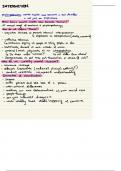
A. Central Bank Roles
● Control money supply.
● Set interest rates (e.g., Federal Funds Rate in the U.S.).
● Manage inflation and unemployment.
B. Monetary Tools
1. Open Market Operations (OMO): Buying/selling government bonds.
2. Reserve Requirements: Minimum reserves banks must hold.
3. Discount Rate: Rate charged to commercial banks for loans.
3. Fiscal Policy
A. Types
1. Expansionary: Increase spending, cut taxes (boost AD).
2. Contractionary: Decrease spending, raise taxes (reduce AD).
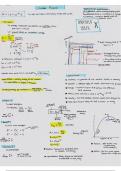
B. Multiplier Effect
● Multiplier=11−MPCMultiplier = \frac{1}{1 - MPC}Multiplier=1−MPC1
○ Marginal Propensity to Consume (MPC): Fraction of additional income spent.
Objectives of Fiscal Policy
1. Economic Stability:
○ Counter cyclical economic fluctuations.
○ Avoid prolonged recessions or overheating in booms.
2. Employment Generation:
○ Create jobs directly through government projects.
○ Indirectly boost private sector hiring through incentives.
3. Economic Growth:
○ Support long-term investments in infrastructure, education, and technology.
4. Redistribution of Income:
○ Reduce income inequality through progressive taxation and welfare programs.
5. Control of Inflation and Deflation:
○ Manage AD by adjusting spending and taxation levels.
A. Central Bank Roles
● Control money supply.
● Set interest rates (e.g., Federal Funds Rate in the U.S.).
● Manage inflation and unemployment.
B. Monetary Tools
1. Open Market Operations (OMO): Buying/selling government bonds.
2. Reserve Requirements: Minimum reserves banks must hold.
3. Discount Rate: Rate charged to commercial banks for loans.
3. Fiscal Policy
A. Types
1. Expansionary: Increase spending, cut taxes (boost AD).
2. Contractionary: Decrease spending, raise taxes (reduce AD).
B. Multiplier Effect
● Multiplier=11−MPCMultiplier = \frac{1}{1 - MPC}Multiplier=1−MPC1
○ Marginal Propensity to Consume (MPC): Fraction of additional income spent.
Objectives of Fiscal Policy
1. Economic Stability:
○ Counter cyclical economic fluctuations.
○ Avoid prolonged recessions or overheating in booms.
2. Employment Generation:
○ Create jobs directly through government projects.
○ Indirectly boost private sector hiring through incentives.
3. Economic Growth:
○ Support long-term investments in infrastructure, education, and technology.
4. Redistribution of Income:
○ Reduce income inequality through progressive taxation and welfare programs.
5. Control of Inflation and Deflation:
○ Manage AD by adjusting spending and taxation levels.