International Law Practice Questions & Answers 2024/2025
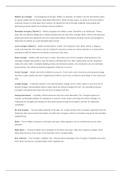
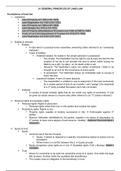
International Law Practice Questions & Answers 2024/2025 What is a treaty? - ANS-VCLT Article 2 defines a treaty as an international agreement concluded between states in written form and governed by international law, whether embodied in a single instrument or two or more related instruments. Who can initiate treaties? - ANS-(1) Individual states; (2) International organizations; (3) Non-governmental organizations What does it mean when a state signs a treaty? - ANS-The state accepts the text as adopted and intends to ratify it. Upon ___ a treaty becomes __ on the state. - ANS-Ratification; binding States are the ___ or ___ actors of international law - they both create and can be the subject of international legal obligations. - ANS-Primary, sole According to the Montevideo Convention, a state should possess what qualifications: - ANS-(1) A permanent population; (2) A defined territory; (3) A government; (4) Capacity to enter into foreign relations with other states What are the various ways states can be formed? - ANS-(1) Decolonization; (2) Secession; (3) Dissolution; (4) Mergers; (5) Peace Treaties What are some of the abilities of states? - ANS-(1) Treaty-making capacity; (2) Gain immunity for itself and officials; (3) Have a right to self-defense under Article 51 of the UN Charter (4) Gain access to international courts What is soft law? - ANS-A document, agreement, resolution, etc. that is framed in legal language but does not create legally binding obligations. What are the benefits to soft law compared to treaties? - ANS-Soft law is more flexible/reactionary: (1)Easier to make changes/treaties require amendments and ratification (2)Tends to avoid political opposition Soft law possesses an authority that is comparable to that of ____ or ____ - ANS-Treaties or custom What is prescriptive jurisdiction? - ANS-Deals with when a state can apply its domestic law to specific conduct. What exercises of prescriptive jurisdiction are generally prohibited? - ANS-Extraterritorial exercises (applying one's domestic law to foreign conduct). What are the four forms of prescriptive jurisdiction? - ANS-(1) The Nationality Principle - States can always exercise jurisdiction over their nationals (2) The Protective Principle - States can regulate extraterritorial conduct by non-nationals when their conduct compromises state security/important interests (i.e. passport counterfeiters) (3) Passive Personality Principle - A state may apply its law to an extraterritorial act committed by a non-national when a national is the victim. (4) Universal Jurisdiction - ANY state may exercise jurisdiction over an individual who commits heinous crimes such as slavery. What are the forms soft law comes in? - ANS-(1) Declarations from international organizations; (2) Industry codes of conduct; (3) Experts' reports Continues.....
Written for
- Institution
- International law
- Course
- International law
Document information
- Uploaded on
- November 4, 2024
- Number of pages
- 17
- Written in
- 2024/2025
- Type
- Exam (elaborations)
- Contains
- Questions & answers
Subjects
- international law
- 2024
- 2025
- who can initiate treaties
- ratification
- ways states can be formed
- legal obligation
-
binding
-
armed attack
-
vclt
-
icrw
-
iccpr
-
hybrids
-
international law practice questions answers