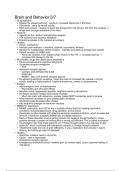
Physics mind map short notes lecture notes
Fundamental Units: Introduction to the basic units of measurement, including length (meter), mass (kilogram), time (second), electric current (ampere), temperature (kelvin), amount of substance (mole), and luminous intensity (candela). Derived Units: Explanation of derived units formed from fundamental units, such as area (square meter), volume (cubic meter), and speed (meters per second). Measurement Techniques: Discussion of various tools and methods used for measuring different quantities, emphasizing precision and accuracy. Significant Figures: Guidelines on how to report measurements, including the importance of significant figures in reflecting the precision of measurements. Systems of Measurement: Overview of different measurement systems, such as the International System of Units (SI) and imperial units. Conversions: Techniques for converting between different units and understanding dimensional analysis. Errors in Measurement: Types of errors (systematic and random), their sources, and how they affect the reliability of measurements. This chapter serves as a foundation for understanding how to quantify physical quantities accurately in scientific experiments and calculations.
Written for
- Institution
- Junior / 11th grade
- Course
- 2014
- School year
- 3
Document information
- Uploaded on
- October 26, 2024
- Number of pages
- 2
- Written in
- 2022/2023
- Type
- Class notes
- Professor(s)
- Shrushti
- Contains
- Mind map/class 11th/short notes/physics
Subjects
- class 11th physics
- jee physics
- neet physics
- mind map
- short notes
- physics mind map
- short notes physics
-
formula sheet physics