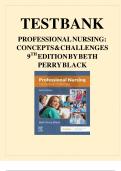
,Black: cProfessional cNursing: cConcepts c& cChallenges, c9th cEdition cTEST
cBANK
CONTENTS
Chapter c1. cNursing cin cToday’s cEvolving cHealth cCare cEnvironment
Chapter c2. cThe cHistory cand cSocial cContext cof cNursing
Chapter c3. cNursing’s cPathway cto cProfessionalism
Chapter c4. cNursing cEducation cin can cEvolving cHealth cCare cEnvironment
Chapter c5. cBecoming ca cProfessional cNurse: cDefining cNursing cand cSocialization cInto
cPractice
Chapter c6. cNursing cas ca cRegulated cPractice: cLegal cIssues
Chapter c7. cEthics: cBasic cConcepts cfor cProfessional cNursing cPractice
Chapter c8. cConceptual cand cPhilosophical cFoundations cof cProfessional cNursing cPractice
Chapter c9. cNursing cTheory: cThe cBasis cfor cProfessional cNursing
Chapter c10. cThe cScience cof cNursing cand cEvidence-Based cPractice
Chapter c11. cDeveloping cNursing cJudgment cthrough cCritical cThinking
Chapter c12. cCommunication cand cCollaboration cin cProfessional cNursing
Chapter c13. cNurses, cPatients, cand cFamilies: cCaring cat cthe cIntersection cof cHealth, cIllness,
cand
Culture
Chapter c14. cHealth cCare cin cthe cUnited cStates
Chapter c15. cPolitical cActivism cin cNursing: cCommunities, cOrganizations, cand cGovernment
Chapter c16. cNursing’s cChallenge: cTo cContinue cto cEvolve
,Professional cNursing c9th cEdition cBlack cTest
cBank
Chapter c1: cNursing cin cToday’s cEvolving cHealth cCare cEnvironment
Black: cProfessional cNursing: cConcepts c& cChallenges, c9th cEdition cBy
cBlackcMULTIPLE cCHOICE
1. Which cof cthe cfollowing ccould ceventually cchange cthe chistorical cstatus cof cnursing cas ca
cfemale-
dominated cprofession?
a. More cmen cgraduating cfrom cbaccalaureate cand chigher cdegree cprograms
b. The cproportion cof cmen cin cnursing cbeginning cto cincrease
c. More cmale cgraduates cof cbasic cnursing cprograms centering cthe cworkplace
d. Salary ccompensation cincreasing cto cattract cmore cmen
ANS: cC
Feedback
A More cmen cgraduating cfrom cbaccalaureate cand chigher cdegree cprograms cis
cnot cthe cbest canswer cbecause cassociate cdegree cprograms cproduce cthe cmost
cnew cgraduates.
B The cpercentage cof cmen cin cnursing chas cincreased c50% csince c2000.
C The cmore cmen cwho center cthe cworkplace cas cnurses, cthe cless cnursing cwill cbe
cseen casca cfemale-dominated cprofession.
D Salary crates cdo cnot cappear cto crelate cto cthe crecruitment cof cmen cinto cnursing.
DIF: cCognitive cLevel: cComprehension cREF: cMCS: c2
2. The cracial cand cethnic ccomposition cof cthe cnursing cprofession cwill cchange cto cmore
caccuratelycreflect cthe cpopulation cas ca cwhole cwhen
a. the cincreased cnumbers cof cracial cand cethnic cminorities cenrolled cin
ceducationalcprograms cgraduate cand cbegin cto cpractice.
b. the cnumber cof cAsians cor cNative cHawaiian-Pacific cIslanders cbegins cto cincrease.
c. the cpercentage cof cAfrican-American cand cHispanic cnurses cdecreases cmore
cthan cthecpercentage cof cwhite cnurses.
, Professional cNursing c9th cEdition cBlack cTest
cBank
d. the cnonwhite cportion cof cthe cgeneral cpopulation cdecreases.
ANS: cA
Feedback
A A clarger cpercentage cof cminorities care cenrolled cin cnursing ceducational
cprogramscthan cpreviously.
B Asians cand cNative cHawaiian-Pacific cIslanders care cover crepresented cin
cnursingccompared cto ctheir cpercentage cof cthe cgeneral cpopulation.
C Not conly cwould cthe cpercentage cof cAfrican-American cand cHispanic cnurses
cneed cto cincrease, cthe cpercentage cof cwhite cnurses cwould chave cto cdecrease cin
corder cto cmorecaccurately creflect cthe cpopulation cas ca cwhole.
D The cnonwhite cportion cof cthe cgeneral cpopulation cis cnot clikely cto cdecrease.
DIF: cCognitive cLevel: cComprehension cREF: cMCS: c3
3. Which cof cthe cfollowing cis ca ccorrect cstatement cabout cthe cregistered cnurse c(RN)
cpopulation?
a. The cracial/ethnic ccomposition cof cRNs cclosely cresembles cthat cof cthe
cgeneralcpopulation.
b. The cnumber cof cmen centering cnursing chas cdecreased csteadily cover cthe clast cdecade.
c. The crate cof caging cof cRNs chas cslowed cfor cthe cfirst ctime cin cthe cpast c30 cyears.
d. The cmajority cof cemployed cRNs cworking cfull ctime cmust cwork ca csecond cposition.
ANS: cC
Feedback
A The cracial/ethnic ccomposition cof cRNs cis cincreasing, cbut cdoes cnot
capproximatectheir cpercentage cof cthe coverall cpopulation.
B The cnumber cof cmen centering cnursing cis cincreasing.
C The caverage cage cof cRNs cin cboth c2004 cand c2008 cwas c46. cThis cis ca
cresult cof cthecnumbers cof cRNs cunder c30 cin cthe cworkforce.
D According cto c2008 cdata, conly c12% cof cnurses cworking cfull ctime chold
csecondcpositions.
cBANK
CONTENTS
Chapter c1. cNursing cin cToday’s cEvolving cHealth cCare cEnvironment
Chapter c2. cThe cHistory cand cSocial cContext cof cNursing
Chapter c3. cNursing’s cPathway cto cProfessionalism
Chapter c4. cNursing cEducation cin can cEvolving cHealth cCare cEnvironment
Chapter c5. cBecoming ca cProfessional cNurse: cDefining cNursing cand cSocialization cInto
cPractice
Chapter c6. cNursing cas ca cRegulated cPractice: cLegal cIssues
Chapter c7. cEthics: cBasic cConcepts cfor cProfessional cNursing cPractice
Chapter c8. cConceptual cand cPhilosophical cFoundations cof cProfessional cNursing cPractice
Chapter c9. cNursing cTheory: cThe cBasis cfor cProfessional cNursing
Chapter c10. cThe cScience cof cNursing cand cEvidence-Based cPractice
Chapter c11. cDeveloping cNursing cJudgment cthrough cCritical cThinking
Chapter c12. cCommunication cand cCollaboration cin cProfessional cNursing
Chapter c13. cNurses, cPatients, cand cFamilies: cCaring cat cthe cIntersection cof cHealth, cIllness,
cand
Culture
Chapter c14. cHealth cCare cin cthe cUnited cStates
Chapter c15. cPolitical cActivism cin cNursing: cCommunities, cOrganizations, cand cGovernment
Chapter c16. cNursing’s cChallenge: cTo cContinue cto cEvolve
,Professional cNursing c9th cEdition cBlack cTest
cBank
Chapter c1: cNursing cin cToday’s cEvolving cHealth cCare cEnvironment
Black: cProfessional cNursing: cConcepts c& cChallenges, c9th cEdition cBy
cBlackcMULTIPLE cCHOICE
1. Which cof cthe cfollowing ccould ceventually cchange cthe chistorical cstatus cof cnursing cas ca
cfemale-
dominated cprofession?
a. More cmen cgraduating cfrom cbaccalaureate cand chigher cdegree cprograms
b. The cproportion cof cmen cin cnursing cbeginning cto cincrease
c. More cmale cgraduates cof cbasic cnursing cprograms centering cthe cworkplace
d. Salary ccompensation cincreasing cto cattract cmore cmen
ANS: cC
Feedback
A More cmen cgraduating cfrom cbaccalaureate cand chigher cdegree cprograms cis
cnot cthe cbest canswer cbecause cassociate cdegree cprograms cproduce cthe cmost
cnew cgraduates.
B The cpercentage cof cmen cin cnursing chas cincreased c50% csince c2000.
C The cmore cmen cwho center cthe cworkplace cas cnurses, cthe cless cnursing cwill cbe
cseen casca cfemale-dominated cprofession.
D Salary crates cdo cnot cappear cto crelate cto cthe crecruitment cof cmen cinto cnursing.
DIF: cCognitive cLevel: cComprehension cREF: cMCS: c2
2. The cracial cand cethnic ccomposition cof cthe cnursing cprofession cwill cchange cto cmore
caccuratelycreflect cthe cpopulation cas ca cwhole cwhen
a. the cincreased cnumbers cof cracial cand cethnic cminorities cenrolled cin
ceducationalcprograms cgraduate cand cbegin cto cpractice.
b. the cnumber cof cAsians cor cNative cHawaiian-Pacific cIslanders cbegins cto cincrease.
c. the cpercentage cof cAfrican-American cand cHispanic cnurses cdecreases cmore
cthan cthecpercentage cof cwhite cnurses.
, Professional cNursing c9th cEdition cBlack cTest
cBank
d. the cnonwhite cportion cof cthe cgeneral cpopulation cdecreases.
ANS: cA
Feedback
A A clarger cpercentage cof cminorities care cenrolled cin cnursing ceducational
cprogramscthan cpreviously.
B Asians cand cNative cHawaiian-Pacific cIslanders care cover crepresented cin
cnursingccompared cto ctheir cpercentage cof cthe cgeneral cpopulation.
C Not conly cwould cthe cpercentage cof cAfrican-American cand cHispanic cnurses
cneed cto cincrease, cthe cpercentage cof cwhite cnurses cwould chave cto cdecrease cin
corder cto cmorecaccurately creflect cthe cpopulation cas ca cwhole.
D The cnonwhite cportion cof cthe cgeneral cpopulation cis cnot clikely cto cdecrease.
DIF: cCognitive cLevel: cComprehension cREF: cMCS: c3
3. Which cof cthe cfollowing cis ca ccorrect cstatement cabout cthe cregistered cnurse c(RN)
cpopulation?
a. The cracial/ethnic ccomposition cof cRNs cclosely cresembles cthat cof cthe
cgeneralcpopulation.
b. The cnumber cof cmen centering cnursing chas cdecreased csteadily cover cthe clast cdecade.
c. The crate cof caging cof cRNs chas cslowed cfor cthe cfirst ctime cin cthe cpast c30 cyears.
d. The cmajority cof cemployed cRNs cworking cfull ctime cmust cwork ca csecond cposition.
ANS: cC
Feedback
A The cracial/ethnic ccomposition cof cRNs cis cincreasing, cbut cdoes cnot
capproximatectheir cpercentage cof cthe coverall cpopulation.
B The cnumber cof cmen centering cnursing cis cincreasing.
C The caverage cage cof cRNs cin cboth c2004 cand c2008 cwas c46. cThis cis ca
cresult cof cthecnumbers cof cRNs cunder c30 cin cthe cworkforce.
D According cto c2008 cdata, conly c12% cof cnurses cworking cfull ctime chold
csecondcpositions.