

Protozoa: Vector Infection
05 November 2020 16:45
Vector- borne protozoan diseases
General principles of protozoan diseases
Transmission via:
• Vectors (e.g. Plasmodium vivax, spread by Anopheles spp.)
• Ingestion (e.g. Giardia lamblia, spread through water borne transmission)
• Sexual contact (e.g. Trichomonas vaginalis, "Frothy" cervical discharge produced by
the pathogen)
• Transovarial (Babesia bovis, via Boophilus sp. Tick. The infection carried by the tick
can pass onto its offspring genetically)
• Placental (A fetus may contract toxoplasmosis through the placental connection with
its infected mother. The mother may be infected by improper handling of cat litter,
ingesting contaminated meat.)
• Respiratory tract
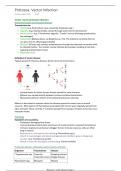
Definition of vector disease:
Typical spread of infectious disease. Direct host-host transmission.
- Limited means for direct human-human spread for some diseases.
- Malaria may spread directly between humans via blood transfusions.
- Mosquitoes perform millions of tiny blood transfusions each day.
Malaria is described as zoonotic when the disease spread to human from an animal
reservoir. Most species of Plasmodium associated with human were originally spread from
other primates. More recently, P. knowlesi spread from macaque monkeys to humans via a
mosquito vector.
Pathology
Symptoms are caused by:
- Protozoans damaging host tissue
- Toxic protozoal products (less occurrence of virulence factor compared to bacteria)
- Immune response to protozoans (trigger chronic immune response, cells are often
long in nature)
- Reproduce in, and rupture host cells (e.g. Plasmodium spp.)
- Attach to macrophages and become phagocytosed. Ability to grow in phagocytic
vacuole. (e.g. Toxoplasma gondii)
- Attach to host cells and digest contents (e.g. Giardia lamblia)
Protozoan disease: arthropod vectors: Insects and ticks
Organism Transmission Disease
*Trypanosoma spp. Tsetse fly Sleeping sickness
Triatomine insect Chagas disease
Plasmodium spp. Mosquito Malaria
*Leishmania spp. Sand-fly Leishmaniasis
Protozoa- vector infection Page 1
, *Leishmania spp. Sand-fly Leishmaniasis
Babesia spp. Tick Babesiosis
Most vector-borne diseases are viral. Bacteria can also be spread by this route.
Lymphatic filariasis: caused by microfilariae (roundworms); mosquito-borne.
Trypanosoma spp.
African trypanosomiasis: Sleeping sickness
- T.brucei gambiense
- T.brucei rhodesiense
Western and Central Africa: distribution mirrors that of the tsetse fly (Glossina).
American trypanosomiasis: Chagas disease
- T.cruzi
South America: endemic, although particularly prevalent in certain countries e.g. Brazil,
Bolivia.
African trypanosomiasis (Sleeping Sickness): Trypanosoma brucei gambiense and
Trypanosoma brucei rhodesiense
Sleeping sickness, also called "human African trypanosomiasis", is a widespread tropical
disease that can be fatal if not treated. It is spread by the bite of an infected tsetse fly
(Glossina Genus), a species native to the African continent.
Symptoms:
○ Fever, severe headaches, irritability, extreme fatigue, swollen lymph nodes, and
aching muscles and joints are common symptoms of sleeping sickness.
○ Some people develop a skin rash.
○ Progressive confusion, personality changes, and other neurologic problems occur
after infection has invaded the central nervous system.
○ Coma occurs if parasites cross choroid plexus to brain an CSF.
Progression of the disease causes:
- Weight loss
- Neurological impairment
The sexual/asexual reproduction for some of the parasites in these cycle may differ.
Sleeping sickness is fairly under-controlled mainly in Africa. There are few thousands cases a
year. The disease is not prevalent compared to before and other protozoan diseases.
- Under controlled but there are some reservoirs of infections (e.g. cattle)
Tsetse fly habitats:
Protozoa- vector infection Page 2
05 November 2020 16:45
Vector- borne protozoan diseases
General principles of protozoan diseases
Transmission via:
• Vectors (e.g. Plasmodium vivax, spread by Anopheles spp.)
• Ingestion (e.g. Giardia lamblia, spread through water borne transmission)
• Sexual contact (e.g. Trichomonas vaginalis, "Frothy" cervical discharge produced by
the pathogen)
• Transovarial (Babesia bovis, via Boophilus sp. Tick. The infection carried by the tick
can pass onto its offspring genetically)
• Placental (A fetus may contract toxoplasmosis through the placental connection with
its infected mother. The mother may be infected by improper handling of cat litter,
ingesting contaminated meat.)
• Respiratory tract
Definition of vector disease:
Typical spread of infectious disease. Direct host-host transmission.
- Limited means for direct human-human spread for some diseases.
- Malaria may spread directly between humans via blood transfusions.
- Mosquitoes perform millions of tiny blood transfusions each day.
Malaria is described as zoonotic when the disease spread to human from an animal
reservoir. Most species of Plasmodium associated with human were originally spread from
other primates. More recently, P. knowlesi spread from macaque monkeys to humans via a
mosquito vector.
Pathology
Symptoms are caused by:
- Protozoans damaging host tissue
- Toxic protozoal products (less occurrence of virulence factor compared to bacteria)
- Immune response to protozoans (trigger chronic immune response, cells are often
long in nature)
- Reproduce in, and rupture host cells (e.g. Plasmodium spp.)
- Attach to macrophages and become phagocytosed. Ability to grow in phagocytic
vacuole. (e.g. Toxoplasma gondii)
- Attach to host cells and digest contents (e.g. Giardia lamblia)
Protozoan disease: arthropod vectors: Insects and ticks
Organism Transmission Disease
*Trypanosoma spp. Tsetse fly Sleeping sickness
Triatomine insect Chagas disease
Plasmodium spp. Mosquito Malaria
*Leishmania spp. Sand-fly Leishmaniasis
Protozoa- vector infection Page 1
, *Leishmania spp. Sand-fly Leishmaniasis
Babesia spp. Tick Babesiosis
Most vector-borne diseases are viral. Bacteria can also be spread by this route.
Lymphatic filariasis: caused by microfilariae (roundworms); mosquito-borne.
Trypanosoma spp.
African trypanosomiasis: Sleeping sickness
- T.brucei gambiense
- T.brucei rhodesiense
Western and Central Africa: distribution mirrors that of the tsetse fly (Glossina).
American trypanosomiasis: Chagas disease
- T.cruzi
South America: endemic, although particularly prevalent in certain countries e.g. Brazil,
Bolivia.
African trypanosomiasis (Sleeping Sickness): Trypanosoma brucei gambiense and
Trypanosoma brucei rhodesiense
Sleeping sickness, also called "human African trypanosomiasis", is a widespread tropical
disease that can be fatal if not treated. It is spread by the bite of an infected tsetse fly
(Glossina Genus), a species native to the African continent.
Symptoms:
○ Fever, severe headaches, irritability, extreme fatigue, swollen lymph nodes, and
aching muscles and joints are common symptoms of sleeping sickness.
○ Some people develop a skin rash.
○ Progressive confusion, personality changes, and other neurologic problems occur
after infection has invaded the central nervous system.
○ Coma occurs if parasites cross choroid plexus to brain an CSF.
Progression of the disease causes:
- Weight loss
- Neurological impairment
The sexual/asexual reproduction for some of the parasites in these cycle may differ.
Sleeping sickness is fairly under-controlled mainly in Africa. There are few thousands cases a
year. The disease is not prevalent compared to before and other protozoan diseases.
- Under controlled but there are some reservoirs of infections (e.g. cattle)
Tsetse fly habitats:
Protozoa- vector infection Page 2


