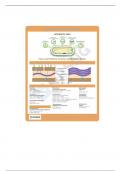
ANTIBIOTIC CHEAT SHEET
ANTIBIOTIC MOA
Inhibition of
Inhibition of Disruption of cell
nucleic acid synthesis cell wall synthesis membrane function
Inhibition of Block pathways and
protein synthesis Cell wall Cell inhibit metabolism
membrane
DNA
Ribosome Folic acid
How and Where Various Antibiotics Work
Gram Negative Gram Positive
Outer membrane
Lipoproteins
Peptidoglycan
Periplasmic
space
Cutoplasmic
membrane
Lipopolysaccharides Porin Protein
Gram + Gram + and -
Penicillins Tetracyclines Sulfonamides
(Amoxicillin) (tetracycline, doxycycline) (TMP-SMZ)
Gram + (Strep, Syphillis) Broad spectrum (Gram +/-, atypicals) UTIs
Disrupts synth of peptidoglycan Inhibit protein synth Inhibit DNA synth
Macrolides Cephalosporins Carbapenems
(azythromycin, erythromycin) Disrupts synth of peptidoglycan (meropenem)
Gram + (URI’s, Strep, Staph) 1st gen: Gram + (Keflex) Broad spectrum
Inhibits protein synth 2nd gen: Gram - > Gram + (Cefzil) Disrupts synth of peptidoglycan
3rd gen: Gram - > Gram + Pseudomonas (cefdinir)
Lincosamides (clindamycin) 4th gen: Pseudomonas (Cefepime)
Step, Staph 5th gen: MRSA (Ceftobiprole)
Inhibit protein synth
Fluoroquinolones Metronidazole
(Ciprofloxacin, Levofloxacin) (Flagyl)
Gram - Broad spectrum Anaerobes, protozoa
Disrupts DNA
Aminoglycosides Inhibit DNA synth
(streptomycin, tobramycin, gentamicin)
Gram - Psuedomonas - TB
Inhibit protein synth
NRSNG.com - “Tools and Confidence to Succeed in Nursing School.”
©2017 TazKai LLC | NRSNG.com - Reproduction Strictly Prohibited
Disclaimer information at NRSNG.com
ANTIBIOTIC MOA
Inhibition of
Inhibition of Disruption of cell
nucleic acid synthesis cell wall synthesis membrane function
Inhibition of Block pathways and
protein synthesis Cell wall Cell inhibit metabolism
membrane
DNA
Ribosome Folic acid
How and Where Various Antibiotics Work
Gram Negative Gram Positive
Outer membrane
Lipoproteins
Peptidoglycan
Periplasmic
space
Cutoplasmic
membrane
Lipopolysaccharides Porin Protein
Gram + Gram + and -
Penicillins Tetracyclines Sulfonamides
(Amoxicillin) (tetracycline, doxycycline) (TMP-SMZ)
Gram + (Strep, Syphillis) Broad spectrum (Gram +/-, atypicals) UTIs
Disrupts synth of peptidoglycan Inhibit protein synth Inhibit DNA synth
Macrolides Cephalosporins Carbapenems
(azythromycin, erythromycin) Disrupts synth of peptidoglycan (meropenem)
Gram + (URI’s, Strep, Staph) 1st gen: Gram + (Keflex) Broad spectrum
Inhibits protein synth 2nd gen: Gram - > Gram + (Cefzil) Disrupts synth of peptidoglycan
3rd gen: Gram - > Gram + Pseudomonas (cefdinir)
Lincosamides (clindamycin) 4th gen: Pseudomonas (Cefepime)
Step, Staph 5th gen: MRSA (Ceftobiprole)
Inhibit protein synth
Fluoroquinolones Metronidazole
(Ciprofloxacin, Levofloxacin) (Flagyl)
Gram - Broad spectrum Anaerobes, protozoa
Disrupts DNA
Aminoglycosides Inhibit DNA synth
(streptomycin, tobramycin, gentamicin)
Gram - Psuedomonas - TB
Inhibit protein synth
NRSNG.com - “Tools and Confidence to Succeed in Nursing School.”
©2017 TazKai LLC | NRSNG.com - Reproduction Strictly Prohibited
Disclaimer information at NRSNG.com