Hondros NUR 113 - Exam 2
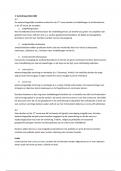
Surfactant -chemical produced in the lungs to maintain the surface tension of the alveoli and keep them from collapsing * without this, surface tension is harder and it's harder to breathe When does surfactant synthesis and storage begin? 24 weeks' gestation When are breathing movements detected in utero? 11 weeks' gestation When do fetuses/babies produce enough surfactant? 35 week's gestation Lecithin-sphingomyelin ratio (L-S ratio) Ratio used to determine fetal lung maturity ratio of 2:1 or greater usually indicates fetal lung maturity factors that initiate respirations Chemical changes: contractions, cutting of the cord - PO2 decreases - PCO2 increases - pH in blood drops * signals the medulla to initiate breathing Thermal changes: coming out from womb to room (warm --> cold) Sensory/physical stimuli: rubbing baby Mechanical stimuli: squeeze from vaginal canal, lungs will be squeezed to take out fluid and then re-expand to bring in oxygen - 100 mL of total fluid, about 2/3 will get squeezed out establishment of respirations depends on ____ - amount of fluid squeezed out - adequate pulmonary blood flow - capacity for surfactant production respiratory system characteristics in a newborn - airway is narrower - tongue is larger - obligatory nose breathers - decreased # of functioning alveoli - rib cage not as well developed - capillary network not as well developed - delicate mucous membranes - irregular and uneven breathing pattern - rise and fall of chest happens at the same time with abdomen - bradypnea - apnea < 15 seconds signs of respiratory distress in newborn - tachypnea (#1) - nasal flaring - expiratory grunt - intercostal retractions - cyanosis 5 basic changes in circulation of newborns - aortic pressure increases and venous pressure decreases - systemic pressure increases and pulmonary artery resistance decreases - foramen ovale closes - ductus arteriosus closes - ductus venosus closes What does it mean if you hear a murmur in a newborn? common in first day because the closures aren't done closing * echo is done for a murmur heard after 24 hr of life r if they fail CCHD screening When does the ductus arteriosus close? LONGEST!!! 72 hours after birth When does the ductus venosus close? immediately after birth When does the foramen ovale close? Within the first hour of birth normal HR for newborn 110 - 160 bpm normal RR for newborn 30 - 60 breaths per min normal BP for newborn 60 - 80 SBP/40 - 50 DBP normal SpO2 for newborn > 95% normal Temp in Celsius for newborn 36.5 - 37.4 normal Temp in Fahrenheit for newborn 97.8 - 99.4 total volume of blood in newborn 85 mL/kg normal WBCs for newborn 9,000 - 30,000 normal RBCs for newborn 4.8 - 7.1 normal Hgb for newborn 14 - 24 * < 14 = anemia normal Hct for newborn 44% - 64% normal platelet count for newborn 150,000 - 300,000 What samples could you get from cord blood? blood type, Coombs test, drug screening When could a baby get an extra 100 mL of blood after birth? if they have delayed clamping of cord ** risk for jaundice d/t extra blood cells for liver to breakdown How does a baby produce body heat? brown fat! they need to metabolize the brown fat because babies don't shiver like adults when they're cold * they have a very small reserve and they cannot produce more cold stress excessive loss of heat that results in increased respirations and non-shivering thermogenesis to maintain core body temperature risk for respiratory distress and hypoglycemia * can get really sick and deteriorate really quickly clinical manifestations of cold stress - skin pallor - cool to touch - mottling (splotchiness on hands) - cyanotic trunk - tachypnea - apnea > 15 sec - bradycardia - lethargy - poor feeding hypothermia in newborns < 97.8 F < 36.5 C typically caused by infection! hypothermia could cause ____: - hypoglycemia - acidosis - hypoxia Risk factors: - preterm babies - SGA - sick babies - resuscitation at birth - newborns who have resp distress How does a baby lose heat? Conduction: placed in cold bassinet Convection: AC vent too close to baby Evaporation: liquid evaporates after a bath or voiding Radiation: baby is sitting too close to a window when it's cold outside hyperthermia in newborns > 99.4 F > 37.4 C causes: - maternal fever - direct overheating - overheating baby's environment - sepsis Risk factors: - phototherapy lights - radiant warmer or incubator RN actions for thermoregulation in newborns - skin-to-skin (best!!!) - bathing: quick, warm, and when stable - swaddling: properly and with skull cap - changing when wet - room temp 70-75 F - decrease time exposed during assessments - educate parents the liver in newborns enough iron is stored while in utero to last 4-6 months after birth * this is enough to sustain RBC production) risk of anemia in first 2-3 months d/t the transition from fetal RBCs to newborn RBCs When should infants start supplementing iron/eating iron rich foods? 6 months, regardless of feeding type liver in newborns related to CHO metabolism the liver is responsible for carb metabolism - initial drop in serum glucose levels - glycogen is stored in the liver, depleted after 24 hrs - glucose depletion after birth blood glucose levels in newborns > 40 from birth to 3 days > 60 after 3 days babies at risk for hypoglycemia - newborns stressed in utero - meconium stained - preterm babies - LGA term babies - macrosomic (IDM) babies - IUGR - SGA - infection - asphyxiated - cold stress clinical manifestations of newborns with hypoglycemia - poor feeding - hypothermia - diaphoresis - tremors/jittery (usually 1st sign) - weak cry - lethargy - convulsions - coma Tx for newborns with hypoglycemia - feed early! and frequently - glucose gel followed by formula/breastfeeding - may supplement feedings - D10W if not managed How do RBCs get excreted from the body? - Hgb breaks down into heme and globin - Heme --> iron + unconjugated bilirubin (UB) - UB is carried by albumin to liver - UB --> conjugated bilirubin (CB) - excreted through feces and urine blood proteins albumin, globulins, fibrinogen newborn bilirubin levels < 6 mg/dl @ 12 hrs < 8 mg/dl @ 24 hrs What makes up the total bilirubin levels? indirect + direct indirect = unconjugated direct = conjugated peaks for total bilirubin happens by day 3 term baby: 12 mg/dl preemie/breastfed: ≥15 mg/dl levels > 20-25 can cause encephalopathy Kernicterus Bilirubin encephalopathy * a form of brain damage resulting from unconjugated bilirubin entering the brain S/S: lethargy, poor feeding, vomiting, irregular respiration, delayed motor skills, CP, hearing loss physiologic jaundice appears in the 2nd or 3rd day of life - yellowing of skin sclera, mucous membranes - lasts < 1 week *** cephocaudal progression/regression: starts at the head and goes down * when resolving: moves in opposite direction pathological jaundice appears in < 24 hours after birth * indirect bilirubin level increases > 0.5 mg/dl/hr OR peak is > 13 mg/dl in term babies usually caused by: ABO incompatibility (Coombs + or DAT +), infection, blood disorders ***excess buildup of bilirubin typically d/t hemolytic reaction and body breaking down more RBCs may last > 1 week REQUIRES IMMEDIATE ATTENTION transcutaneous vs serum total bilirubin T: tests for conjugated bilirubin ST: tests for unconjugated breastfeeding jaundice appears @ 2-7 days of age results from: - decreased caloric and fluid intake - decreased liver clearance of bilirubin ways to excrete bilirubn 1. pooping/feeding 2. phototherapy (check intensity of the light with a bilimeter, make sure baby has eye protection) 3. exchange transfusion (very rare and dangerous, lots of electrolyte issues because of new thawed donor blood) What are coagulation factors activated by? vitamin K coagulation deficiency in newborns bowel is sterile at birth so there is no bacteria to synthesize vitamin K, exists in first 2-5 days of life administration of vitamin K at birth Always check vitamin K for pre-______ newborn boys. circumcision GI concerns at birth - sucking and rooting reflex - position of the nipple in the baby's mouth - bacteria - cardiac and nervous control of the stomach - bowel sounds - small stomach volume - regurgitation - patent anus CHO and fats in newborns decreased amounts of amylase and lipase in pancreas until about 6 months of age, meaning decreased ability to properly digest carbs and fats lipase pancreatic enzyme necessary to digest fats amylase Enzyme in saliva that breaks the chemical bonds in starches proteins in newborns able to digest well and absorb well in healthy term newborns * easily digestible proteins are found in breast milk when are infants able to drink cows milk? after 1 year of life AAP formula guideline for newborn feedings in the first 3 months 110 - 120 kcal/kg/day The AAP recommends exclusively breastfeeding for the first ____ months. 6 When should cereals be introduced? after 6 months When are babies ready to be bottle fed if they are born prematurely? 32 weeks gestation meconium the first bowel movement of the newborn * can last for a few stools, even 1-3 days transition stool Loose and greenish-yellow; contain mucus; change within the first week during neonatal period * happens as intake increases stool while breastfeeding, day 5 yellow and seedy stool while formula feeding, day 5 yellow/brown/greenish and thicker like peanut butter When does the first stool need to happen in a newborn? first 24 hours how often should a newborn be having BM? 2 - 3/day signs of dehydration in a newborn - low # of wet diapers - low # of BMs a day - sunken fontanel - dry mucous membranes - weight loss * if weight loss is > 7%, baby needs to be evaluated When should babies go back to or exceed their birth weight? 10 days renal system A&P in newborns - all renal organs are present and functioning at 34-36 weeks gestation - renal profusion will improve after birth as blood flow increases - GFR is low - initial bladder volume 6-44 mL renal system characteristics in newborns - urine will be straw-colored and odorless - low specific gravity < 1.004 - uric acid crystal stains are normal only in first few days (brick dust) how often should a newborns be voiding? 1x in first 24 hrs 2x in second 24 hrs 3x in third 24 hrs 6-8x/day after day 4 newborn female reproductive system - swollen breast tissue - witch's milk (dried whitish substance coming out of the nipples) - mucoid discharge - pseudomenstruation - edematous external genitalia - hymenal/vaginal tag newborn male reproductive system - swollen breast tissue - witch's milk (dried whitish substance coming out of the nipples) - urinary meatus - descended testicles - rugae - scrotal edema/hydrocele - smegma (whitish substance under foreskin seen during circumcision - unretractable foreskin IgG antibodies in newborns protects against bacteria and viral infections * transferred across placenta, present for 3 months IgM antibodies in newborns first antibody the body produces when fighting infection * may be suggestive of infection in utero present at birth IgA antibodies in newborns important for mucosal homeostasis in the GI system received via colostrum acrocyanosis normal cyanosis of the baby's hands and feet * appears intermittently over the first 7-10 days vernix caseosa Waxy or "cheesy" white substance found coating the skin of newborns caput succedaneum diffuse edema of the fetal scalp that crosses the suture lines * reabsorbs within 1 to 3 days desquamation (skin slip) the separation of the epidermis from the dermis milia abnormal but benign, small raised white spots on nose, chin, and forehead mongolian spots areas of deep bluish-gray pigmentation most commonly on the sacral aspect of a newborn * more common in people with dark skin telangiectactic nevi moles, stork bites nevus flammeus permanent purple birthmark; also called port-wine stain palmar creases - Help determine gestational age - Observe for (simian crease) single palmar crease which may be seen in normal infant or can be associated with Down Syndrome simian crease a single straight palmar crease; an abnormal finding that is associated with Down Syndrome sydney line extension of proximal transverse crease across the palm plantar creases - Useful tool in assessing gestational age of the infant - Before 28 weeks, it'll be smooth Lanugo fine downy hair of newborn infant erythema toxicum pink rash that appears suddenly anywhere on the body of a term newborn during the first 3 weeks petechiae when small capillaries bleed into the skin – creates pinpoint red spots <2mm * can have a few with a traumatic birth & that’s ok- will disappear in a week or two **more than a few can indicate other severe problems such as infections, thrombocytopenia, vit K deficiency pallor paleness plethora babies who appear more red than normal *may indicate high RBC concentration usually due to twin-twin transfusion in utero or large placental transfusion (like delayed cord clamping) central cyanosis cyanosis on the head, neck and truck that usually develops due to inadequate oxygen supply papilloma a benign, superficial wart-like growth on the epithelial tissue or elsewhere in the body jaundice yellowing of the skin and the whites of the eyes caused by an accumulation of bilirubin in the blood cephalohematoma swelling caused by bleeding between the osteum and periosteum of the skull does not cross suture lines skeletal system in newborns - cartilaginous bones - head is 1/4 of body, distorted by molding - curved thoracic and sacral vertebrae - no foot arch - symmetrical extremities with equal length - symmetrical hips Barlow test & Ortolani test Barlow's Test: examiner adducts the hip while applying a posterior force on the knee to promote dislocation. Ortolani's Test: examiner abducts the hip while applying an anterior force on the femur to reduce the hip joint (put the hip back in its socket) pilonidal dimple A dimple present at the base of the spine; also called sacral dimple * usually indicative of spina bifida hair tuft on newborn collection of hair usually at the base of the sacrum, abnormal, not the same as lanugo fractured clavicle in newborns birth injury, usually resolves on its own with no treatment handle baby gently shoulder dystocia birth injury, PT and possible surgery are required neuro-MSK system in newborns - almost completely developed at birth - responsive and reactive - brain requires glucose and oxygen - transient tremors of mouth, chin, and extremities are normal (but they shouldn't happen when quiet) - some neuro-MSK control - reflexes intact neonatal studies - oxygen saturation - CBC - serum/capillary blood glucose - bilirubin levels - Coombs - blood group and type - metabolic screens - hearing screens - urine drug screens Metabolic Screening Tests Universal newborn screening is mandated in all states. TESTS FOR: hypothyroidism, PU, galactosemia A capillary heel stick should be done 24 hr following birth. For results to be accurate, the newborn must have received formula or breast milk for at least 24 hr. PKU (phenylketonuria) screening test for elevated levels of phenylalanine when newborns show high levels of phenylalanine, they will be put on a lowphenylalanine diet (lasting throughout adolescence and sometimes adulthood) to prevent mental retardation low phenylalanine diet fats, fruits, jams, low-phenylalanine milk not allowed: meats, eggs, beans, bread congenital hypothyroidism condition present at birth that results in lack of thyroid hormones * poor physical and mental development Tx: oral doses of thyroid hormone galactosemia genetic disorder characterized by body's inability to tolerate galactose * galactose is one of two sugars found in lactose that converts into glucose Tx: milk, breastmilk, and other dairy products must be eliminated from diet preterm birth < 37 weeks gestation late preterm 34 - 37 weeks moderately preterm 32 - 34 weeks very preterm < 32 weeks micro-preemie < 26 weeks What is the largest contributor to infant mortality in the US? preterm birth causes of preterm birth infection/inflammation maternal/fetal stress: CRH hormone can trigger preterm contractions from stress bleeding: can release clotting factors and stimulate preterm birth stretching: too much amniotic fluid, multiple pregnancies, multifetal pregnancy What women are at greatest risk for PTL and birth? - Hx of preterm brith - multifetal pregnancy - Hx of uterine or cervical abnormalities - < 17 yo - > 35 yo - low socioeconomic status - Black and Native American women associated medical risks of preterm birth - infection - DM - HTN and preeclampsia - clotting disorders - pregnancy after IVF - underweight/obesity - short interpregnancy interval short interpregnancy interval (IPI) pregnant in < 9 months after giving birth associated lifestyle/environmental risks of preterm birth - late or no prenatal care - smoking - substance abuse - exposure to medication (DES) - domestic violence - lack of social support - extremely high stress levels - long working hours with long period of standing - exposure to certain environmental pollutants diagnostics for preterm birth - cervical length - fetal fibronectin (fFN) cervical length r/t preterm birth the length of a pregnant woman's cervix measured by vaginal US women with a shorter-than-average cervix and a cervix that shortens with subsequent exams are at a higher risk of delivering preterm fetal fibronectin (fFN) biological glue that helps attach the fetal sac to the uterine lining tested by swab of vaginal secretions normally seen in up to 22 weeks' gestation, then not again until 1-3 weeks before delivery if seen between weeks 22-34, could indicate they might deliver preterm Why does purposeful preterm labor occur? to protect the health of the mother Ballard Score test used to estimate gestational age *most accurate at 12-20 hrs of life and is based on sum of neuromuscular and physical maturity score **higher number = more mature physical characteristics of prematurity - abundant lanugo - no plantar creases, smooth foot - breast tissue not as developed - ear cartilage will be thin and flimsy (easily foldable and will not recoil quickly when let go) - genitalia will not be as developed - skin is thin without layer of fat, skinnier - holding arms and legs straight out - retractions - small breast buds and no nipples - skin may look waxy or feel sticky - eyes fused shut until about 26 weeks brain development in preterm babies 25 weeks: tangerine size and smooth brain - will not be able to take in a lot of information at once - sleeps most of the time, VERY CRUCIAL! what sense is last to develop in babies? vision/sight _____ is very stimulating for babies and should be avoided when possible. Hair rubbing What are the placenta's 4 major roles? - protective barrier - nutrients - waste - hormone synthesis complications of prematurity - Respiratory Distress Syndrome (RDS) - pneumothorax - apnea - Chronic Lung Disease (CLD)/Bronchopulmonary Dysplasia (BPD) - Patent Ductus Arteriosus (PDA) - Intraventricular Hemorrhage (IVH) - Necrotizing Enterocolitis (NEC) - Retinopathy of Prematurity (RoP) Respiratory Distress Syndrome (RDS) affects premature infants born without enough surfactant in the lungs < 35 weeks *treated with respiratory support and surfactant administration pneumothorax rupture of alveoli/collapsed lung *can be spontaneous but typically cause by trauma d/t too much pressure Tx: Oxyhood or chest tube apnea r/t premature complications temporary cessation of breathing for > 15 seconds * usually accompanied by bradycardic spells (As and Bs) Tx: caffeine to stimulate breathing and for respiratory support Chronic lung disease (CLD) infection, swelling & fluid build up in the lungs *typically caused by long-term use of positive pressure ventilation Tx: use of surfactant and Betamethasone **previously known as Bronchopulmonary Dysplasia (BPD) Patent Ductus Arteriosus (PDA) r/t preemie complications passageway remains open after birth Intraventricular Hemorrhage (IVH) bleeding into the brain's ventricular system * most common in babies born < 32 weeks or very low birth weight first 72 hours after birth is most crucial Tx: prevent any type of IICP - lie completely flat - not lots of handling - increase care times to every 3 hours - minimize crying - keep babies nice and calm Necrotizing enterocolitis (NEC) acute inflammation of the bowel that leads to bowel necrosis Causes: vascular compromise resulting in ischemia S/S: distended belly, discoloration of the abdomen, regurgitation, increased residuals, vomit/spit up, bowel loops, peristalsis, hypothermia, tachycardia/bradycardia if long enough, tachypnea RN actions: measure abd girth, abd X-ray/US Tx: NPO, ABX right away but after blood cultures, CBC/BMP, D10W/TPN if prolonged nutrition is needed, Sx to remove necrotic tissue Retinopathy of Prematurity (ROP) a condition resulting from administration of an excessive concentration of oxygen at birth *causes scar tissue to form behind the lens of the eye Positive pressure ventilation a technique that uses a mechanism such as a mechanical ventilator to force air into the lungs to provide breathing assistance oxygen hood small plastic hood that fits over infant's head nasal cannula delivers low concentrations of oxygen through two prongs * make sure to humidify continuous positive airway pressure (CPAP) used primarily in the treatment of critically ill patients with respiratory distress; can prevent the need for endotracheal intubation bubble CPAP: end of it goes into water and makes it gentler Noninvasive positive pressure ventilation (NIPPV) is a method of positive-pressure ventilation that can be given via face/nasal masks that cover the nose and mouth prongs go in the nose/looks like a nasal cannula, occludes airway, can provide breaths mechanical ventilation using a machine to move air into and out of the lungs via ET tube High-Frequency Ventilation/Oscillator ventilator + vibrations helps lungs with intake of oxygen considered when babies have a very high FiO2 % Extracorporeal Membrane Oxygenation (ECMO) pulmonary bypass *deoxygenated blood is removed, oxygenated, then put back into body Baby A is 33-36 weeks' gestation and born prematurely. Baby A is not currently on oxygen, but suddenly needs oxygen support. What should the RN do? - monitor for infection, cold-stress, hypoglycemia - watch for orders for blood cultures, labs, BG levels - expect ABX and D10W orders - place baby on prone pillow prone pillows used for preemies since it's the best position to help with oxygenation ______ are needed for all PPV to vent air out of the stomach. OG/NG tubes medications for respiratory and cardiac support in preemies surfactant - via ET tube directly into the lungs - helps immediately lower surface tension inside alveoli inhaled nitric oxide (iNO) - vasodilator - given by doctor via gas - helps with persistent pulmonary HTN (PPHTN) or bronchopulmonary dysplasia (BPD) complications of PPV - gastric distention - aspiration: constant force and pressure is put into the lungs, secretions/feedings that get spit up with get pushed back down - pneumothorax - nasal pressure injuries RN actions for integumentary/thermoregulation in preemies - maintain neutral thermal environment - incubator/radiant warmer - humidification - prevent cold stress - encourage Kangaroo care if stable for at least 1 hour - minimize adhesive use - change positioning and pulse ox probe site preemie skin thinner! risk for insensible water water d/t losing fluid through their skin and dehydration * lack of brown fat reserve GI issues in preemies - aspiration risk - reflux - poor suck and swallow reflex - small stomach capacity - poor digestion - easily fatigued while eating GU issues in preemies - immature kidneys = decreased function - need to weigh diapers to monitor I&Os When do suck and swallow reflux occur? until 34 weeks or when positive feeding cues occur feeding cues positive - rooting, able to maintain eye contact, lip smacking, stability negative - tongue thrusting, diverting gaze, throwing up, desatting during feedings What are feeding ability and amount based on? - gestational age and ability - feeding cues - infant weight - stomach capacity/tolerance feeding types for preemies - IV dextrose - TPN & lipids - NG/OG gavage - oral after 34 weeks adjusted gestation immune system of preemie - not fully developed - must wash hands before and after touching baby - no sick people/children around baby - no crowds after going home for minimum of 1 month What should happen if sepsis is suspected in a preemie? lumbar puncture sensory/environmental concerns for preemie - positioning - reduce noxious/inappropriate stimuli - infant communication cues - infant stimulation handled carefully - promote Kangaroo care growth and development for preemies milestones are adjusted until 2.5 years old DO NOT wake them up if they are asleep! education for parents of preemies 1. Help with adaptation to environment and equipment 2. Encourage interaction. 3. Discharge is more extensive. 4. Long-term care (specialists, SW, CM, etc.). small for gestational age (SGA) < 2500 grams, below 10th percentile on growth chart risk factors for SGA and IUGR babies genetics, HTN, malnutrition, infection, substance abuse, multifetal pregnancy Babies can be ____ without being ____, but all ____ babies are ____. SGA IUGR IUGR SGA Babies can be SGA without being IUGR, but all IUGR babies are SGA. Intrauterine growth restriction (IUGR) reduced growth rate or abnormal growth pattern of the fetus, resulting in a small for gestational age (SGA) infant complications of SGA - hypoglycemia - hypothermia - perinatal asphyxia - polycythemia - meconium aspiration large for gestational age (LGA) > 4000 grams, above 90th percentile on growth chart macrosomia large-bodied baby commonly seen in diabetic pregnancies complication of LGA - hypoglycemia - birth injuries: breech, shoulder dystocia, depressed skull fracture, fractured clavicle post-term complications > 42 weeks' gestation - cord compression - meconium aspiration - skin integrity issues leading to infection - hypoglycemia - PPHTN of newborn Infant of a Diabetic Mother (IDM) complications - hypoglycemia - LGA/macrosomia - birth trauma d/t LGA - perinatal asphyxia/hypoxia - RDS d/t interference with development - polycythemia - hyperbilirubinemia - congenital anomalies - cardiomyopathy - hypocalcemia - hypomagnesemia Neonatal Abstinence Syndrome (NAS) drug withdrawal that occurs in newborn infants whose mothers were frequent drug users during pregnancy *can also be caused by antidepressants, SSRIs, benzos, barbiturates S/S: irritability, inconsolable, tremors, hypertonicity, sneezing, regurgitation, poor feeding, poor weight gain could display IUGR, premature birth, seizures, SIDS, developmental delays monitor for MINIMUM of 72 hours, sometimes 96 hours Finnegan Scale screening used with neonates whose mother tested positive for narcotics, opioids and other psycho altering drugs 31 points that are assessed for and it is done prior to feeding of the neonate if score is high enough, baby will get started on meds medications for NAS 1. PO morphine 2. phenobarbital (if morphine not effective) nonpharm for NAS - decrease stimulation - promote Kangaroo care - small, frequent feedings - pacifier - gentle rocking - snug swaddle DO NOT use Sweeties for withdrawal symptoms because then they will begin to rely on it most common congenital anomalies that cause serious problems - congenital heart defects - neural tube defects - cleft palate and lip - hip dysplasia congenital heart defect a defect in the heart or great vessels resulting from an alteration on development causes: maternal Hx (DM), hereditary Patent Ductus Arteriosus (PDA) duct is supposed to close but it doesn't S/S: murmur, tachycardia, tachypnea, reoccurring apnea, poor feeding and weight gain, widened pulse pressure, bounding pulses, increased demand of oxygen, fatigued easily, diaphoresis during feedings, excessive fluid weight gain Tx: echocardiogram, surgery, Indomethacin RN actions: cluster care!, frequent rest periods when feeding, oxygen and meds per orders, restrict fluids, monitor I&Os closely Indomethacin (Indocin) NSAID that helps PDA close Tetralogy of Fallot (TOF) set of 4 congenital heart defects occurring together - Ventricular Septal Defect (VSD) - Pulmonary Stenosis - Aorta overriding VSD - Hypertrophy of the R Ventricle S/S: Tet spells, increased cyanosis when crying, increased irritability, poor growth, clubbing of fingers, heart murmur, sometimes a thrill Tx: Sx by 6 months of age!, Prostaglandin drip RN actions: cluster care, maintain sedation, provide oxygen, monitor s/s, KNEECHEST POSITION!
Written for
- Institution
-
Hondros College School Of Nursing
- Course
-
NUR 113 (NUR113)
Document information
- Uploaded on
- October 16, 2024
- Number of pages
- 86
- Written in
- 2024/2025
- Type
- Exam (elaborations)
- Contains
- Questions & answers