ACTIVE LEARNING TEMPLATE: System Disorder
Jessica Willard
STUDENT NAME _____________________________________
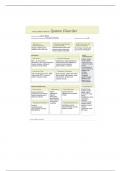
Myocardial Infarction
DISORDER/DISEASE PROCESS __________________________________________________________ 30
REVIEW MODULE CHAPTER ___________
Alterations in Pathophysiology Related Health Promotion and
Health (Diagnosis) to Client Problem Disease Prevention
Steady substernal pain, Process where areas of the life changes including diet
radiates: neck, back, jaw heart that lack oxygen die. and exercise. Medication
Onset: Sudden or gradual
ASSESSMENT SAFETY
CONSIDERATIONS
Risk Factors Expected Findings Explain visitng
Men > 50 and women > Diaphoresis, Hyper/hypotension, hours and the
55Tobacco, HTN, high cholesterol, brady/tachycardia, palpitations, need to limit the
obesity, diabetes, metabolic severe anxiety, dyspnea, number of visitors
syndrome, family history disorientation, confusion at one
time.Observe for
adverse effects of
sedation like
Laboratory Tests Diagnostic Procedures lethargy,
CRP and lipoprotein, PTT, WBC, ECG changes, gather information confusion,
radionuclide, PET, Creactive about nature and intensity, onset increased
protein, Creatine kinase and duration, location and agitation.Assist
radiation of pain. patient to rise
slowly from a
supine position.
PATIENT-CENTERED CARE Complications
Nursing Care Medications Client Education Dysrhythmias,
sudden cardiac
Explain equipment, Aspirin, Explain what has death, infarct
procedures, and need for clopidogrel, happened to the patient’ expansion, heart
frequent assessment to heparin, s heart failure,
patient and family. fibrinolytics, cardiogenic shock,
beta blockers, reinfarction,
ACE inhibitors, ischemic
nitroglycerin, cardiomyopathy,
Therapeutic Procedures morphine Interprofessional Care
cardiac rupture,
Surgical Cardiology consult, papillary muscle
revascularization, physical therapy consult, rupture,
percutaneous coronary nutrition consult, ventricular mural
interventions. thrombus
ACTIVE LEARNING TEMPLATES
Jessica Willard
STUDENT NAME _____________________________________
Myocardial Infarction
DISORDER/DISEASE PROCESS __________________________________________________________ 30
REVIEW MODULE CHAPTER ___________
Alterations in Pathophysiology Related Health Promotion and
Health (Diagnosis) to Client Problem Disease Prevention
Steady substernal pain, Process where areas of the life changes including diet
radiates: neck, back, jaw heart that lack oxygen die. and exercise. Medication
Onset: Sudden or gradual
ASSESSMENT SAFETY
CONSIDERATIONS
Risk Factors Expected Findings Explain visitng
Men > 50 and women > Diaphoresis, Hyper/hypotension, hours and the
55Tobacco, HTN, high cholesterol, brady/tachycardia, palpitations, need to limit the
obesity, diabetes, metabolic severe anxiety, dyspnea, number of visitors
syndrome, family history disorientation, confusion at one
time.Observe for
adverse effects of
sedation like
Laboratory Tests Diagnostic Procedures lethargy,
CRP and lipoprotein, PTT, WBC, ECG changes, gather information confusion,
radionuclide, PET, Creactive about nature and intensity, onset increased
protein, Creatine kinase and duration, location and agitation.Assist
radiation of pain. patient to rise
slowly from a
supine position.
PATIENT-CENTERED CARE Complications
Nursing Care Medications Client Education Dysrhythmias,
sudden cardiac
Explain equipment, Aspirin, Explain what has death, infarct
procedures, and need for clopidogrel, happened to the patient’ expansion, heart
frequent assessment to heparin, s heart failure,
patient and family. fibrinolytics, cardiogenic shock,
beta blockers, reinfarction,
ACE inhibitors, ischemic
nitroglycerin, cardiomyopathy,
Therapeutic Procedures morphine Interprofessional Care
cardiac rupture,
Surgical Cardiology consult, papillary muscle
revascularization, physical therapy consult, rupture,
percutaneous coronary nutrition consult, ventricular mural
interventions. thrombus
ACTIVE LEARNING TEMPLATES