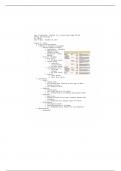
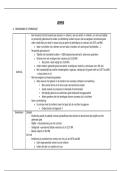
Exam 3 Study Guide: Chapters 9-11, Lecture Guide Pages 165-234
Anatomy and Physiology 1
Dr. Surmacz
Date of Exam: November 10, 2017
Chapter 9: Joints
Joints are articulations
2 Methods to Classify Articulations
o Function (Range of Motion)
Synarthroses – immovable
Amphiarthroses –
slightly movable
Diarthroses – freely
movable
o Structure (Anatomy)
Bony fusion
No joint cavity
Fibrous joints
Connective
tissue between
No joint cavity
Cartilaginous joints
Cartilage
between
No joint cavity
Synovial
Space between
Has a joint cavity
Synarthroses
o Suture
Fibrous joint
Articulating bones joined by a thin layer of dense
connective tissue
i.e. sutures in skull
o Gomphosis
Fibrous joint
Cone shaped peg fits into socket
i.e. alveolar process on mandible and maxillary bones
o Synostosis
Bony fusion
Created by fusion of two bones; boundary between them
disappears
i.e. epiphyseal line, metopic suture of frontal
o Synchondroses
Cartilaginous joints
Connecting material to cartilage
i.e. epiphyseal plate; between rib 1 and manubrium
Amphiarthroses
o Syndesmosis
, Fibrous joint
Articulating bones joined by ligaments
i.e. distal articulation of tibia and fibula
o Symphysis
Cartilaginous
Articulating bones joined by fibrocartilage
i.e. pubic symphysis
Diarthroses
o Freely movable joints
o Contain a joint cavity
o 3 Common characteristics of synovial joints
Joint cavity
Space between joining bones
Articular capsule
Surrounds and encloses the joint cavity
Outer fibrous articular capsule
o Ligaments
o Dense regular connective tissue
Inner synovial membrane
Secretes synovial fluid into joint cavity
o Made of proteoglycan – protein and
carbohydrates
o Sticky like egg whites and molasses
o Contains water
o Only secretes about 3 mL
Functions of synovial fluid
o Lubrication
o Decreases friction
o Shock absorbing
o Distributes nutrients to articular cartilage
Articular cartilage
Hyaline cartilage
o Accessories in synovial joints
Cartilages inside joint cavity function to provide shock
absorption and to help condyles fit together
Medial and lateral menisci
Accessory ligaments
Extracapsular – outside articular capsule, in joint
cavity
Intracellular – inside articular capsule
i.e. PCL and ACL
Tendons
Span joints to stabilize joints
Connect muscle to bone
i.e. rotator cuff in shoulder
Bursae
Fluid filled sacs located around synovial joints
where rubbing occurs
Function?
, o Cushioning
o Decrease friction
Bursitis
o Inflammation of bursae
o How joints move
Gliding movement
Moving the point
Angular motion and circumduction
Changing the shaft angle
Circumduction is a combination of back and forth and
side to side motion
Rotation
Rotating the shaft
Planes of motion
Back and forth
Side to side
Rotation
Describing planar motion
Monoaxial
o Motion in one plane
Biaxial
o Motion in two planes
Triaxial
o Motion in three planes
Nonaxial (multiaxial)
o Gliding joints
o Types of Synovial Joints
Gliding (Plane)
Articulating surfaces re flat or slightly curved
Nonaxial – slipping or gliding motions
i.e. acromioclavicular joint, sternoclavicular joint,
intercarpal joints,
vertebrocostal joint,
sacroiliac joint
Hinge
One bone swings about
rounded surface of
another bone
Monoaxial – angular
movement in one plane
like the opening and
closing of a door
i.e. knee, elbow, ankle,
interphalangeal joints
Pivot
A ring of bone rotates
about process of a bone
Monoaxial – rotation
Anatomy and Physiology 1
Dr. Surmacz
Date of Exam: November 10, 2017
Chapter 9: Joints
Joints are articulations
2 Methods to Classify Articulations
o Function (Range of Motion)
Synarthroses – immovable
Amphiarthroses –
slightly movable
Diarthroses – freely
movable
o Structure (Anatomy)
Bony fusion
No joint cavity
Fibrous joints
Connective
tissue between
No joint cavity
Cartilaginous joints
Cartilage
between
No joint cavity
Synovial
Space between
Has a joint cavity
Synarthroses
o Suture
Fibrous joint
Articulating bones joined by a thin layer of dense
connective tissue
i.e. sutures in skull
o Gomphosis
Fibrous joint
Cone shaped peg fits into socket
i.e. alveolar process on mandible and maxillary bones
o Synostosis
Bony fusion
Created by fusion of two bones; boundary between them
disappears
i.e. epiphyseal line, metopic suture of frontal
o Synchondroses
Cartilaginous joints
Connecting material to cartilage
i.e. epiphyseal plate; between rib 1 and manubrium
Amphiarthroses
o Syndesmosis
, Fibrous joint
Articulating bones joined by ligaments
i.e. distal articulation of tibia and fibula
o Symphysis
Cartilaginous
Articulating bones joined by fibrocartilage
i.e. pubic symphysis
Diarthroses
o Freely movable joints
o Contain a joint cavity
o 3 Common characteristics of synovial joints
Joint cavity
Space between joining bones
Articular capsule
Surrounds and encloses the joint cavity
Outer fibrous articular capsule
o Ligaments
o Dense regular connective tissue
Inner synovial membrane
Secretes synovial fluid into joint cavity
o Made of proteoglycan – protein and
carbohydrates
o Sticky like egg whites and molasses
o Contains water
o Only secretes about 3 mL
Functions of synovial fluid
o Lubrication
o Decreases friction
o Shock absorbing
o Distributes nutrients to articular cartilage
Articular cartilage
Hyaline cartilage
o Accessories in synovial joints
Cartilages inside joint cavity function to provide shock
absorption and to help condyles fit together
Medial and lateral menisci
Accessory ligaments
Extracapsular – outside articular capsule, in joint
cavity
Intracellular – inside articular capsule
i.e. PCL and ACL
Tendons
Span joints to stabilize joints
Connect muscle to bone
i.e. rotator cuff in shoulder
Bursae
Fluid filled sacs located around synovial joints
where rubbing occurs
Function?
, o Cushioning
o Decrease friction
Bursitis
o Inflammation of bursae
o How joints move
Gliding movement
Moving the point
Angular motion and circumduction
Changing the shaft angle
Circumduction is a combination of back and forth and
side to side motion
Rotation
Rotating the shaft
Planes of motion
Back and forth
Side to side
Rotation
Describing planar motion
Monoaxial
o Motion in one plane
Biaxial
o Motion in two planes
Triaxial
o Motion in three planes
Nonaxial (multiaxial)
o Gliding joints
o Types of Synovial Joints
Gliding (Plane)
Articulating surfaces re flat or slightly curved
Nonaxial – slipping or gliding motions
i.e. acromioclavicular joint, sternoclavicular joint,
intercarpal joints,
vertebrocostal joint,
sacroiliac joint
Hinge
One bone swings about
rounded surface of
another bone
Monoaxial – angular
movement in one plane
like the opening and
closing of a door
i.e. knee, elbow, ankle,
interphalangeal joints
Pivot
A ring of bone rotates
about process of a bone
Monoaxial – rotation