Errors in DNA replication - gene mutations
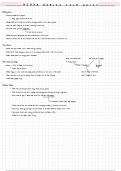
Gene mutations can occur during transcription. A mutation is a change in the number of
sequence of bases in a gene. During any stage when the genetic code is copied, mistakes
can be made in the new base sequence formed. These are defined as mutations. Some
mutations have no effect on the organism as large parts of DNA are not involved in protein
synthesis or due to the nature of the genetic code (triplet code, non-overlapping, and
degenerate). As the genetic code is degenerate, many codons can code for the same
protein. However, some mutations cause a genetic disorder when a new base triplet is
created that codes for a different amino acid or a stop signal resulting in a non-functioning
protein. This can cause genetic disorders such as cystic fibrosis.
Sickle cell anaemia is caused by a single base substitution.
Cystic fibrosis can be caused by different types of mutation. CTFR stands for Cystic
Fibrosis Transmembrane Conductance Regulator (channel protein). The CTFR protein is
found in the cell membrane and functions as a channel for the movement of chloride ions in
and out of epithelial cells. This is important for the salt and water regulation on epithelial
surfaces of organs, such as in the lungs or digestive system. Changes in the CTFR gene
can affect the structure and function of the CTFR protein.
Hundreds of different mutations can give rise to cystic fibrosis. The most common is a
deletion of three nucleotides. This causes the amino acid phenylalanine to be lost from the
primary structure, the protein does not fold correctly and lose it's function.
its
Gene mutations can occur during transcription. A mutation is a change in the number of
sequence of bases in a gene. During any stage when the genetic code is copied, mistakes
can be made in the new base sequence formed. These are defined as mutations. Some
mutations have no effect on the organism as large parts of DNA are not involved in protein
synthesis or due to the nature of the genetic code (triplet code, non-overlapping, and
degenerate). As the genetic code is degenerate, many codons can code for the same
protein. However, some mutations cause a genetic disorder when a new base triplet is
created that codes for a different amino acid or a stop signal resulting in a non-functioning
protein. This can cause genetic disorders such as cystic fibrosis.
Sickle cell anaemia is caused by a single base substitution.
Cystic fibrosis can be caused by different types of mutation. CTFR stands for Cystic
Fibrosis Transmembrane Conductance Regulator (channel protein). The CTFR protein is
found in the cell membrane and functions as a channel for the movement of chloride ions in
and out of epithelial cells. This is important for the salt and water regulation on epithelial
surfaces of organs, such as in the lungs or digestive system. Changes in the CTFR gene
can affect the structure and function of the CTFR protein.
Hundreds of different mutations can give rise to cystic fibrosis. The most common is a
deletion of three nucleotides. This causes the amino acid phenylalanine to be lost from the
primary structure, the protein does not fold correctly and lose it's function.
its