Please check the examination details below before entering your candidate information
Candidate surname Other names
Centre Number Candidate Number
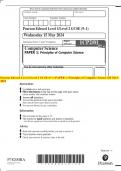
Pearson Edexcel Level 1/Level 2 GCSE (9–1)
Wednesday 15 May 2024
Paper
Afternoon (Time: 1 hour 30 minutes)
reference 1CP2/01 ■ ■
Computer Science
PAPER 1: Principles of Computer Science
You do not need any other materials. Total Marks
Pearson Edexcel Level 1/Level 2 GCSE (9–1) PAPER 1: Principles of Computer Science QP MAY
2024
Instructions
•• Use black ink or ball-point pen.
Fill in the boxes at the top of this page with your name,
•• Answer
centre number and candidate number.
all questions.
Answer the questions in the spaces provided –
• You are not allowed to use a calculator.
there may be more space than you need.
Information
•• The total mark for this paper is 75.
The marks for each question are shown in brackets
– use this as a guide as to how much time to spend on each question.
Advice
• Read
• Try
each question carefully before you start to answer it.
to answer every question.
• Check your answers if you have time at the end.
Turn over
P78200RA
©2024 Pearson Education Ltd.
F:1/1/1/1/1/1/1/
, Answer ALL questions. Write your answers in the spaces provided.
Some questions must be answered with a cross in a box . If you change your mind about an
DO NOT WRITE IN THIS AREA
answer, put a line through the box and then mark your new answer with a cross .
1 Computational thinking
(a) Identify the term that means breaking a problem or solution down into smaller
parts.
(1)
A Abstraction
B Computation
C Decomposition
D Evaluation
(b) State two benefits of subprograms.
(2)
DO NOT WRITE IN THIS AREA
1 . .. .. .. ... .. .. .. ... .. .. .. ... .. .. .. ... .. .. .. ... .. .. .. ... .. .. .. ... .. .. .. ... .. .. .. ... .. .. .. .. .. .. .. ... .. .. .. ... .. .. .. ... .. .. .. .. . . . .. .. ... .. .. .. ... .. .. .. ... .. .. .. ... .. .. .. ... .. .. .. .. ... .. .. .. ... .. .. .. ... .. .. .. ... .. .. .. ... .. .. .. ... .. .. .. ... .. .. .. ... .. .. .. ... .................
. .. .. .. ... .. .. .. ... .. .. .. ... .. .. .. ... .. .. .. ... .. .. .. ... .. .. .. ... .. .. .. ... .. .. .. ... .. .. .. .. .. .. .. ... .. .. .. ... .. .. .. ... .. .. .. .. . . .. .. .. ... .. .. .. ... .. .. .. ... .. .. .. ... .. .. .. .... .. .. .. ... .. .. .. ... .. .. .. ... .. .. .. ... .. .. .. ... .. .. .. ... .. .. .. ... .. .. .. ... .. .. .. . .. ......................
2 . .. .. .. ... .. .. .. ... .. .. .. ... .. .. .. ... .. .. .. ... .. .. .. ... .. .. .. ... .. .. .. ... .. .. .. ... .. .. .. .. .. .. .. ... .. .. .. ... .. .. .. ... .. .. .. ... . . .. .. ... .. .. .. ... .. .. .. ... .. .. .. ... .. .. .. ... .. .. .. .. ... .. .. .. ... .. .. .. ... .. .. .. ... .. .. .. ... .. .. .. ... .. .. .. ... .. .. .. ... .. .. .. . .. .................
. .. .. .. ... .. .. .. ... .. .. .. ... .. .. .. ... .. .. .. ... .. .. .. ... .. .. .. ... .. .. .. ... .. .. . . ... .. .. .. .. .. .. .. ... .. .. .. ... .. .. .. ... .. .. .. ... . .. .. .. ... .. .. .. ... .. .. .. ... .. .. .. ... .. .. .. .... .. .. .. ... .. .. .. ... .. .. .. ... .. .. .. ... .. .. .. ... .. .. .. ... .. .. .. ... .. .. .. ... .. .. .. . .. ......................
DO NOT WRITE IN THIS AREA
2
■■■■
, (c) Here is an algorithm that uses colours.
1 #
DO NOT WRITE IN THIS AREA
2 # Global variables
3 #
4 theColours = ["Green", "Blue", "Yellow", "Red", "Purple"]
5 colour = ""
6
7 #
8 # Main program
9 #
10
11 for item in theColours:
12 print (item)
13
14 colour = input ("Enter a colour: ")
15 while (colour != ""):
DO NOT WRITE IN THIS AREA
16 if (colour == "Green"):
17 print ("Green is my favourite colour")
18 else:
19 print (colour + " is a good colour")
20
21 colour = input ("Enter a colour: ")
(i) Give the first line number of a condition-controlled loop.
(1)
. .. .. .. ... .. .. .. ... .. .. .. ... .. .. .. ... .. .. .. ... .. .. .. ... .. .. .. ... .. .. .. ... .. .. .. ... .. .. .. .. .. .. .. ... .. .. .. ... .. .. .. ... .. .. .. .. . . . .. .. ... .. .. .. ... .. .. .. ... .. .. .. ... .. .. .. ... .. .. .. .. ... .. .. .. ... .. .. .. ... .. .. .. ... .. .. .. ... .. .. .. ... .. .. .. ... .. .. .. ... .. .. .. . .. ......................
(ii) Give the first line number of iteration over every item in a data structure.
(1)
. .. .. .. ... .. .. .. ... .. .. .. ... .. .. .. ... .. .. .. ... .. .. .. ... .. .. .. ... .. .. .. ... .. .. .. ... .. .. .. .. .. .. .. ... .. .. .. ... .. .. .. ... .. .. .. .. . . . .. .. ... .. .. .. ... .. .. .. ... .. .. .. ... .. .. .. ... .. .. .. .. ... .. .. .. ... .. .. .. ... .. .. .. ... .. .. .. ... .. .. .. ... .. .. .. ... .. .. .. ... .. .. .. ... ......................
DO NOT WRITE IN THIS AREA
(iii) Give the line numbers of a selection.
(1)
. .. .. .. ... .. .. .. ... .. .. .. ... .. .. .. ... .. .. .. ... .. .. .. ... .. .. .. ... .. .. .. ... .. .. .. ... .. .. .. .. .. .. .. ... .. .. .. ... .. .. .. ... .. .. .. .. . . . .. .. ... .. .. .. ... .. .. .. ... .. .. .. ... .. .. .. ... .. .. .. .. ... .. .. .. ... .. .. .. ... .. .. .. ... .. .. .. ... .. .. .. ... .. .. .. ... .. .. .. ... .. .. .. . .. ......................
3
■■■■ Turn over
Candidate surname Other names
Centre Number Candidate Number
Pearson Edexcel Level 1/Level 2 GCSE (9–1)
Wednesday 15 May 2024
Paper
Afternoon (Time: 1 hour 30 minutes)
reference 1CP2/01 ■ ■
Computer Science
PAPER 1: Principles of Computer Science
You do not need any other materials. Total Marks
Pearson Edexcel Level 1/Level 2 GCSE (9–1) PAPER 1: Principles of Computer Science QP MAY
2024
Instructions
•• Use black ink or ball-point pen.
Fill in the boxes at the top of this page with your name,
•• Answer
centre number and candidate number.
all questions.
Answer the questions in the spaces provided –
• You are not allowed to use a calculator.
there may be more space than you need.
Information
•• The total mark for this paper is 75.
The marks for each question are shown in brackets
– use this as a guide as to how much time to spend on each question.
Advice
• Read
• Try
each question carefully before you start to answer it.
to answer every question.
• Check your answers if you have time at the end.
Turn over
P78200RA
©2024 Pearson Education Ltd.
F:1/1/1/1/1/1/1/
, Answer ALL questions. Write your answers in the spaces provided.
Some questions must be answered with a cross in a box . If you change your mind about an
DO NOT WRITE IN THIS AREA
answer, put a line through the box and then mark your new answer with a cross .
1 Computational thinking
(a) Identify the term that means breaking a problem or solution down into smaller
parts.
(1)
A Abstraction
B Computation
C Decomposition
D Evaluation
(b) State two benefits of subprograms.
(2)
DO NOT WRITE IN THIS AREA
1 . .. .. .. ... .. .. .. ... .. .. .. ... .. .. .. ... .. .. .. ... .. .. .. ... .. .. .. ... .. .. .. ... .. .. .. ... .. .. .. .. .. .. .. ... .. .. .. ... .. .. .. ... .. .. .. .. . . . .. .. ... .. .. .. ... .. .. .. ... .. .. .. ... .. .. .. ... .. .. .. .. ... .. .. .. ... .. .. .. ... .. .. .. ... .. .. .. ... .. .. .. ... .. .. .. ... .. .. .. ... .. .. .. ... .................
. .. .. .. ... .. .. .. ... .. .. .. ... .. .. .. ... .. .. .. ... .. .. .. ... .. .. .. ... .. .. .. ... .. .. .. ... .. .. .. .. .. .. .. ... .. .. .. ... .. .. .. ... .. .. .. .. . . .. .. .. ... .. .. .. ... .. .. .. ... .. .. .. ... .. .. .. .... .. .. .. ... .. .. .. ... .. .. .. ... .. .. .. ... .. .. .. ... .. .. .. ... .. .. .. ... .. .. .. ... .. .. .. . .. ......................
2 . .. .. .. ... .. .. .. ... .. .. .. ... .. .. .. ... .. .. .. ... .. .. .. ... .. .. .. ... .. .. .. ... .. .. .. ... .. .. .. .. .. .. .. ... .. .. .. ... .. .. .. ... .. .. .. ... . . .. .. ... .. .. .. ... .. .. .. ... .. .. .. ... .. .. .. ... .. .. .. .. ... .. .. .. ... .. .. .. ... .. .. .. ... .. .. .. ... .. .. .. ... .. .. .. ... .. .. .. ... .. .. .. . .. .................
. .. .. .. ... .. .. .. ... .. .. .. ... .. .. .. ... .. .. .. ... .. .. .. ... .. .. .. ... .. .. .. ... .. .. . . ... .. .. .. .. .. .. .. ... .. .. .. ... .. .. .. ... .. .. .. ... . .. .. .. ... .. .. .. ... .. .. .. ... .. .. .. ... .. .. .. .... .. .. .. ... .. .. .. ... .. .. .. ... .. .. .. ... .. .. .. ... .. .. .. ... .. .. .. ... .. .. .. ... .. .. .. . .. ......................
DO NOT WRITE IN THIS AREA
2
■■■■
, (c) Here is an algorithm that uses colours.
1 #
DO NOT WRITE IN THIS AREA
2 # Global variables
3 #
4 theColours = ["Green", "Blue", "Yellow", "Red", "Purple"]
5 colour = ""
6
7 #
8 # Main program
9 #
10
11 for item in theColours:
12 print (item)
13
14 colour = input ("Enter a colour: ")
15 while (colour != ""):
DO NOT WRITE IN THIS AREA
16 if (colour == "Green"):
17 print ("Green is my favourite colour")
18 else:
19 print (colour + " is a good colour")
20
21 colour = input ("Enter a colour: ")
(i) Give the first line number of a condition-controlled loop.
(1)
. .. .. .. ... .. .. .. ... .. .. .. ... .. .. .. ... .. .. .. ... .. .. .. ... .. .. .. ... .. .. .. ... .. .. .. ... .. .. .. .. .. .. .. ... .. .. .. ... .. .. .. ... .. .. .. .. . . . .. .. ... .. .. .. ... .. .. .. ... .. .. .. ... .. .. .. ... .. .. .. .. ... .. .. .. ... .. .. .. ... .. .. .. ... .. .. .. ... .. .. .. ... .. .. .. ... .. .. .. ... .. .. .. . .. ......................
(ii) Give the first line number of iteration over every item in a data structure.
(1)
. .. .. .. ... .. .. .. ... .. .. .. ... .. .. .. ... .. .. .. ... .. .. .. ... .. .. .. ... .. .. .. ... .. .. .. ... .. .. .. .. .. .. .. ... .. .. .. ... .. .. .. ... .. .. .. .. . . . .. .. ... .. .. .. ... .. .. .. ... .. .. .. ... .. .. .. ... .. .. .. .. ... .. .. .. ... .. .. .. ... .. .. .. ... .. .. .. ... .. .. .. ... .. .. .. ... .. .. .. ... .. .. .. ... ......................
DO NOT WRITE IN THIS AREA
(iii) Give the line numbers of a selection.
(1)
. .. .. .. ... .. .. .. ... .. .. .. ... .. .. .. ... .. .. .. ... .. .. .. ... .. .. .. ... .. .. .. ... .. .. .. ... .. .. .. .. .. .. .. ... .. .. .. ... .. .. .. ... .. .. .. .. . . . .. .. ... .. .. .. ... .. .. .. ... .. .. .. ... .. .. .. ... .. .. .. .. ... .. .. .. ... .. .. .. ... .. .. .. ... .. .. .. ... .. .. .. ... .. .. .. ... .. .. .. ... .. .. .. . .. ......................
3
■■■■ Turn over