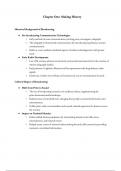
Chapter One: Making History
Historical Background of Broadcasting
● Pre-broadcasting Communication Technologies:
○ Early methods of mass communication: printing press, newspapers, telegraph.
○ The telegraph revolutionized communication by introducing long-distance instant
communication.
○ Radio as a new medium combined aspects of earlier technologies but with greater
reach.
● Early Radio Development:
○ Late 19th-century advances in electricity and sound transmission led to the creation of
wireless telegraphy (radio).
○ Early pioneers: Guglielmo Marconi and his experiments with long-distance radio
signals.
○ Initial uses of radio were military and commercial, not yet entertainment-focused.
Cultural Impact of Broadcasting
● Shift from Print to Sound:
○ The rise of broadcasting created a new auditory culture, supplementing the
print-dominated media landscape.
○ Radio became a household item, changing how people consumed information and
entertainment.
○ Unlike print, radio was immediate and created a shared experience for listeners across
the country.
● Impact on National Identity:
○ Radio unified diverse populations by transmitting shared content like news,
entertainment, and national events.
○ Helped create a sense of national culture during the early 20th century by providing
consistent, centralized information.
Historical Background of Broadcasting
● Pre-broadcasting Communication Technologies:
○ Early methods of mass communication: printing press, newspapers, telegraph.
○ The telegraph revolutionized communication by introducing long-distance instant
communication.
○ Radio as a new medium combined aspects of earlier technologies but with greater
reach.
● Early Radio Development:
○ Late 19th-century advances in electricity and sound transmission led to the creation of
wireless telegraphy (radio).
○ Early pioneers: Guglielmo Marconi and his experiments with long-distance radio
signals.
○ Initial uses of radio were military and commercial, not yet entertainment-focused.
Cultural Impact of Broadcasting
● Shift from Print to Sound:
○ The rise of broadcasting created a new auditory culture, supplementing the
print-dominated media landscape.
○ Radio became a household item, changing how people consumed information and
entertainment.
○ Unlike print, radio was immediate and created a shared experience for listeners across
the country.
● Impact on National Identity:
○ Radio unified diverse populations by transmitting shared content like news,
entertainment, and national events.
○ Helped create a sense of national culture during the early 20th century by providing
consistent, centralized information.