BSC1086C EXAM #3 GENERAL STUDY GUIDE for multiple choice exam. Students should read each chapter thoroughly, review chapter presentations, and utilize McGraw-Hill Connect Plus study tools. Note: There is a separate lab exam list for preparation for the laboratory exam. Chapter #25
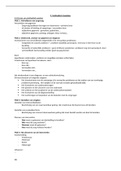
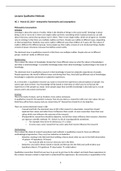
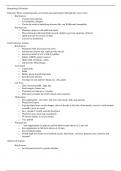
Nutrition definition
-Substances used by body to produce energy, provide building blocks or function in other chemical reactions. Includes digestion, absorption, transportation, and cell metabolism. Kilocalorie (kcal) definition , carbs/proteins 4kcal/g ; fats 9kcal/g
-Measures of energy supplied by food and released through metabolism.
Food guide MyPlate.gov (formerly MyPyramid) Variety, healthy foods -Vegetables -Fruits
-Grains
-Protein
-Dairy
Carbohydrates: sources, polysaccharides, disaccharides, monosaccharides (absorbed in bloodstream)
-Most carbohydrates come from plants (exception: lactose from milk)
oPolysaccharides (complex): Include starch, glycogen, cellulose. Cellulose is indigestible. oDisaccharides: Include sucrose, maltose, lactose.
oMonosaccharides : Include glucose, fructose, galactose
-Disaccharides and polysaccharides converted to glucose (used for energy or stored as glycogen or fats).
Lipids: sources, triglycerides (3 fatty acids + glycerol) , saturated, unsaturated, monounsaturated (olive/peanut oil), polyunsaturated (fish, safflower, sunflower, corn oils)
-Triglycerides (95%): used for energy to produce ATP or stored in adipose tissue, liver.
oSaturated fats and oils: single covalent bonds between carbons; found in meat fats, whole milk, cheese, eggs. oUnsaturated fats and oils: one or more double bonds between carbons.
Monounsaturated fats have one double bond; found in olive and peanut oil. Polyunsaturated fats have two or more double bonds; found in fish and sunflower oil. Proteins: sources, amino acid building blocks , functions
(20 total amino acids, 9 are essential, 11 are nonessential) oFunctions:
Protection: (Antibodies)
Regulation: (enzymes, hormones)
Structure: (collagen) Muscle contraction: (actin, myosin)
Transportation: (hemoglobin, ion channels)
Clinical Impact Free Radicals and Antioxidants
“ACE” -Vitamin A: -Vitamin C:
-Vitamin E:
-Folate (folic acid): 0.4 mg
Daily Values for Nutrients: RDIs, DRVs, % Daily Value : DEFINITIONS
-Reference Daily Intakes (RDI): Infants, toddlers, people over 4, and pregnant or lactating women. -Daily Reference Values (DRVs): total fats, saturated fats, cholesterol, total carbohydrate, dietary fiber, sodium, potassium, and proteins. -Percent Daily Value (%DV): nutrients in one serving of food.
Metabolism: definition, catabolism, anabolism, ATP (energy currency of cells)
-Total of all chemical changes that occur in body.
oCatabolism: energy-releasing process where large molecules broken down to smaller.
oAnabolism: energy-requiring process where small molecules joined to form large molecules.
oATP (Adenosine triphosphate): carries energy within cells
Carbohydrate Metabolism: Glycolysis ( in cytosol/cytoplasm ); Citric Acid Cycle & Electron-
Transport (within mitochondria)
-Glycolysis: chemical reactions in the cytosol that results in the breakdown of glucose into two pyruvate acid molecules. oSTEPS: 1.Input of ATP: 2 ATP used to make glucose more reactive
2.Sugar cleavage: fructose-1, 6-bisphosphate is cleaved into 2 3-carbon molecules.
3.NADH production
4.ATP and pyruvate production.
FINAL PRODUCT from one glucose: 4 ATP, 2NADH, 2 pyruvate.
Summary of ATP Production ( net gain 36 ATP molecules: 2 from glycolysis, 2 from citric acid cycle, 32 from electron-transport chain ) ANIMATIONS!!!
Figure 25.10 Lipid Metabolism; Ketogenesis; Causes of Ketosis (ketone bodies)
-Ketogenesis: formation of ketone bodies.
-Free fatty acids are taken up by cells and broken down by beta-oxidations into acetyl-CoA which convert to ketone bodies. Figure 25.14 Interconversion of Nutrient Molecules
-Important to convert one nutrient type to another in order to maintain homeostatic levels.
oGlycogenesis: Excess glucose to make glycogen oLipogenesis: When glycogen stores filled, glucose and amino acids used to make lipids.
oGlycogenolysis: Rupture of glycogen to glucose oGluconeogenesis: Formation of glucose from amino acids and glycerol. Figure 25.15 Events of the Absorptive State
-Absorptive state: period immediately after eating when nutrients absorbed through intestinal wall into circulatory and lymphatic systems (last about 4 hours after meal). oEX: Glucose are used as sources of energy. Molecules
not immediately needed for energy are stored: Glucose is converted to glycogen or triglycerides, triglycerides are deposited in adipose tissue, and amino acids are converted to triglycerides or carbohydrates. Figure 25.16 Events of the Postabsorptive State
Nutrition definition
-Substances used by body to produce energy, provide building blocks or function in other chemical reactions. Includes digestion, absorption, transportation, and cell metabolism. Kilocalorie (kcal) definition , carbs/proteins 4kcal/g ; fats 9kcal/g
-Measures of energy supplied by food and released through metabolism.
Food guide MyPlate.gov (formerly MyPyramid) Variety, healthy foods -Vegetables -Fruits
-Grains
-Protein
-Dairy
Carbohydrates: sources, polysaccharides, disaccharides, monosaccharides (absorbed in bloodstream)
-Most carbohydrates come from plants (exception: lactose from milk)
oPolysaccharides (complex): Include starch, glycogen, cellulose. Cellulose is indigestible. oDisaccharides: Include sucrose, maltose, lactose.
oMonosaccharides : Include glucose, fructose, galactose
-Disaccharides and polysaccharides converted to glucose (used for energy or stored as glycogen or fats).
Lipids: sources, triglycerides (3 fatty acids + glycerol) , saturated, unsaturated, monounsaturated (olive/peanut oil), polyunsaturated (fish, safflower, sunflower, corn oils)
-Triglycerides (95%): used for energy to produce ATP or stored in adipose tissue, liver.
oSaturated fats and oils: single covalent bonds between carbons; found in meat fats, whole milk, cheese, eggs. oUnsaturated fats and oils: one or more double bonds between carbons.
Monounsaturated fats have one double bond; found in olive and peanut oil. Polyunsaturated fats have two or more double bonds; found in fish and sunflower oil. Proteins: sources, amino acid building blocks , functions
(20 total amino acids, 9 are essential, 11 are nonessential) oFunctions:
Protection: (Antibodies)
Regulation: (enzymes, hormones)
Structure: (collagen) Muscle contraction: (actin, myosin)
Transportation: (hemoglobin, ion channels)
Clinical Impact Free Radicals and Antioxidants
“ACE” -Vitamin A: -Vitamin C:
-Vitamin E:
-Folate (folic acid): 0.4 mg
Daily Values for Nutrients: RDIs, DRVs, % Daily Value : DEFINITIONS
-Reference Daily Intakes (RDI): Infants, toddlers, people over 4, and pregnant or lactating women. -Daily Reference Values (DRVs): total fats, saturated fats, cholesterol, total carbohydrate, dietary fiber, sodium, potassium, and proteins. -Percent Daily Value (%DV): nutrients in one serving of food.
Metabolism: definition, catabolism, anabolism, ATP (energy currency of cells)
-Total of all chemical changes that occur in body.
oCatabolism: energy-releasing process where large molecules broken down to smaller.
oAnabolism: energy-requiring process where small molecules joined to form large molecules.
oATP (Adenosine triphosphate): carries energy within cells
Carbohydrate Metabolism: Glycolysis ( in cytosol/cytoplasm ); Citric Acid Cycle & Electron-
Transport (within mitochondria)
-Glycolysis: chemical reactions in the cytosol that results in the breakdown of glucose into two pyruvate acid molecules. oSTEPS: 1.Input of ATP: 2 ATP used to make glucose more reactive
2.Sugar cleavage: fructose-1, 6-bisphosphate is cleaved into 2 3-carbon molecules.
3.NADH production
4.ATP and pyruvate production.
FINAL PRODUCT from one glucose: 4 ATP, 2NADH, 2 pyruvate.
Summary of ATP Production ( net gain 36 ATP molecules: 2 from glycolysis, 2 from citric acid cycle, 32 from electron-transport chain ) ANIMATIONS!!!
Figure 25.10 Lipid Metabolism; Ketogenesis; Causes of Ketosis (ketone bodies)
-Ketogenesis: formation of ketone bodies.
-Free fatty acids are taken up by cells and broken down by beta-oxidations into acetyl-CoA which convert to ketone bodies. Figure 25.14 Interconversion of Nutrient Molecules
-Important to convert one nutrient type to another in order to maintain homeostatic levels.
oGlycogenesis: Excess glucose to make glycogen oLipogenesis: When glycogen stores filled, glucose and amino acids used to make lipids.
oGlycogenolysis: Rupture of glycogen to glucose oGluconeogenesis: Formation of glucose from amino acids and glycerol. Figure 25.15 Events of the Absorptive State
-Absorptive state: period immediately after eating when nutrients absorbed through intestinal wall into circulatory and lymphatic systems (last about 4 hours after meal). oEX: Glucose are used as sources of energy. Molecules
not immediately needed for energy are stored: Glucose is converted to glycogen or triglycerides, triglycerides are deposited in adipose tissue, and amino acids are converted to triglycerides or carbohydrates. Figure 25.16 Events of the Postabsorptive State