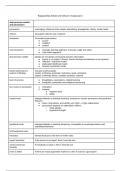
Begrippenlijst attitude and behavior change part 2;
dual process models
and persuasion
persuasion overtuiging; influence other people; advertising, propaganda, charity, social media
rhetoric persuasion with the use of speech
aristoteles 1st model of persuasion
● source
● reciptant
● content
Carl hovlands’s ● message learning approach ‘loose lips might sink ships’
● Yale model approach
dual process models people are not always consciously process information
● system 1 vs system 2 theory; human thinking and behavior in two systems
● reflective - impulsive model
● elaboration likelihood model
● heuristic systematic model
Daniel kahnemans’s “bat and a ball example’
system of thinking system 1 thinking; automatic, instinctive, quick, emotional
system 2 thinking; slower, complex decisions, rational
level of process ● thoughtless; associations, implicit learning
● thoughtful; systematic and analytical processing
two routes to persuasion 1. motivation
2. capacity
a. cognitive load
b. ability
central route changed attitude is relatively enduring, resistant to counter-persuasion and predictive
behavior
● when motivation and ability are high → high elaboration
● persuasion depends on elaboration valence
○ initial attitude
○ argument strength
peripheral route changed attitude is relatively temporary, susceptible to counterpersuasion and
unpredicted behavior
ELM peripheral cues
heuristics mental shortcuts in the form of if-then rules
expert heuristics if the source is an expert, then it must be true
social consensus if everybody is sayin it, then it must be true
heuristic
more is better if there are many arguments made for it, then it must be a good point
, mere exposure effect liking something after being frequently exposed to it
Elaboration likelihood ● people are motivated to hold correct attitudes
model ● however amount of elaboration depends on situational and individual factors
● the more systematic processing the less influence peripheral cues have and
vica versa
● attitude change that result from central processing are more persistent and
more predictive of behavior
heuristic systematic 1. type of motivation can be different
model 2. HSM more specific than ELM
3. co occurrence; heuristic and systematic processing can influence each other
unimodel 1. no difference between two processes
2. cues and arguments are the same, only
a. arguments are more complex and longer
b. cues are processes faster
c. source can be presented different
3. persuasion depends on way information is presented
heuristics mental shortcuts that simplify decision making by ignoring information (influence
techniques)
expertise heuristic what makes an expert persuasive
● trustworthy
● knowledgeable
is an expert more depends on;
persuasive ● level of involvement
● identity of the expert is known to the receiver; when it is before it is more
effective
● on the receivers attitude
○ high more effective for counterattitudinal message
○ pro attitudinal message from low expert source may provoke more
elaboration
● congruence between source and type of message
celebrity endorsement ● familiar celebrities can increase attitude towards purchase
● sympathy is important
● expertise depends on congruence
sympathy heuristic like the source and therefore do what he says
● complying because likable
● attractiveness
● similarity increases liking
○ date of birth
○ first name
experiment remembering professor remembered student name vs. forgot name, then students fill in
someone's name questionnaire (likeability), then professor request students to by cookies in public or
private
● name remembered: 92% public 64% private
● name forgotten: 50% public, 25% private
● more positive attitude towards professor when remembered name
representativeness the probability that person/product/event A is regarded as a cause/consequence/part of
heuristic B, depends upon the extent to which A displays the essential characteristics of B
● which person is more competent
● color of the placebo pill and the effect it should have
dual process models
and persuasion
persuasion overtuiging; influence other people; advertising, propaganda, charity, social media
rhetoric persuasion with the use of speech
aristoteles 1st model of persuasion
● source
● reciptant
● content
Carl hovlands’s ● message learning approach ‘loose lips might sink ships’
● Yale model approach
dual process models people are not always consciously process information
● system 1 vs system 2 theory; human thinking and behavior in two systems
● reflective - impulsive model
● elaboration likelihood model
● heuristic systematic model
Daniel kahnemans’s “bat and a ball example’
system of thinking system 1 thinking; automatic, instinctive, quick, emotional
system 2 thinking; slower, complex decisions, rational
level of process ● thoughtless; associations, implicit learning
● thoughtful; systematic and analytical processing
two routes to persuasion 1. motivation
2. capacity
a. cognitive load
b. ability
central route changed attitude is relatively enduring, resistant to counter-persuasion and predictive
behavior
● when motivation and ability are high → high elaboration
● persuasion depends on elaboration valence
○ initial attitude
○ argument strength
peripheral route changed attitude is relatively temporary, susceptible to counterpersuasion and
unpredicted behavior
ELM peripheral cues
heuristics mental shortcuts in the form of if-then rules
expert heuristics if the source is an expert, then it must be true
social consensus if everybody is sayin it, then it must be true
heuristic
more is better if there are many arguments made for it, then it must be a good point
, mere exposure effect liking something after being frequently exposed to it
Elaboration likelihood ● people are motivated to hold correct attitudes
model ● however amount of elaboration depends on situational and individual factors
● the more systematic processing the less influence peripheral cues have and
vica versa
● attitude change that result from central processing are more persistent and
more predictive of behavior
heuristic systematic 1. type of motivation can be different
model 2. HSM more specific than ELM
3. co occurrence; heuristic and systematic processing can influence each other
unimodel 1. no difference between two processes
2. cues and arguments are the same, only
a. arguments are more complex and longer
b. cues are processes faster
c. source can be presented different
3. persuasion depends on way information is presented
heuristics mental shortcuts that simplify decision making by ignoring information (influence
techniques)
expertise heuristic what makes an expert persuasive
● trustworthy
● knowledgeable
is an expert more depends on;
persuasive ● level of involvement
● identity of the expert is known to the receiver; when it is before it is more
effective
● on the receivers attitude
○ high more effective for counterattitudinal message
○ pro attitudinal message from low expert source may provoke more
elaboration
● congruence between source and type of message
celebrity endorsement ● familiar celebrities can increase attitude towards purchase
● sympathy is important
● expertise depends on congruence
sympathy heuristic like the source and therefore do what he says
● complying because likable
● attractiveness
● similarity increases liking
○ date of birth
○ first name
experiment remembering professor remembered student name vs. forgot name, then students fill in
someone's name questionnaire (likeability), then professor request students to by cookies in public or
private
● name remembered: 92% public 64% private
● name forgotten: 50% public, 25% private
● more positive attitude towards professor when remembered name
representativeness the probability that person/product/event A is regarded as a cause/consequence/part of
heuristic B, depends upon the extent to which A displays the essential characteristics of B
● which person is more competent
● color of the placebo pill and the effect it should have