M
ED
EX
C
EL
LE
N
C
E
,M
ED
EX
C
EL
LE
N
C
E
,M
ED
EX
C
EL
LE
N
C
E
, E
C
N
LE
EL
C
EX
ED
M
ED
EX
C
EL
LE
N
C
E
,M
ED
EX
C
EL
LE
N
C
E
,M
ED
EX
C
EL
LE
N
C
E
, E
C
N
LE
EL
C
EX
ED
M


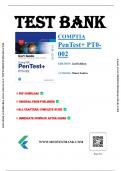
Test Bank for Accounting Information Systems: Connecting Careers, Systems, and Analytics, 1st Edition 1e by Arline A. Savage, Danielle Brannock, Alicja Foksinska. Full Chapters test bank are included - Chapter 1 to 19 1 Accounting as Information 1.1 Why Is Accounting Information Important? 1-2 1.2 How Have Accounting Information Systems Evolved? 1-12 1.3 How Does Management Use Information? 1-18 1.4 What Is the Relationship Between Accounting and Data Analytics? 1-23 2 Risks and Risk Assessments 2.1 How Do We Understand Risk? 2-2 2.2 What Are the Types of Risks? 2-7 2.3 How Do We Prioritize Risk? 2-13 2.4 How Do We Respond to Risk? 2-18 3 Risk Management and Internal Controls 3.1 How Do Internal Controls Mitigate Risk? 3-2 3.2 How Are Controls Classified? 3-8 3.3 How Do We Assess Internal Controls? 3-16 3.4 Why Are Internal Control Frameworks Important? 3-21 4 Software and Systems 4.1 How Do Systems Capture and Process Data? 4-2 4.2 How Do Startups and Small Businesses Use Technology? 4-10 4.3 What Are the Characteristics of Information Systems for Growing Companies? 4-15 4.4 Why Are Enterprise Resource Planning (ERP) Systems Considered Ideal? 4-22 5 Data Storage and Analysis 5.1 What Is Data? 5-2 5.2 How Is Data Stored? 5-8 5.3 What Makes Data “Big Data”? 5-11 5.4 How Do Accounting Professionals Use Data? 5-15 6 Designing Systems and Databases 6.1 How Are Systems Developed? 6-2 6.2 Which Methodology Should Be Used? 6-9 6.3 What Type of Database Should Be Used? 6-15 6.4 How Are Relational Databases Designed? 6-20 6.5 How Do We Interact with Data in a Database? 6-29 7 Emerging and Disruptive Technologies 7.1 How Do Companies Approach Emerging and Disruptive Technologies? 7-2 7.2 How Do Disruptive Technologies Provide Business Opportunities? 7-7 7.3 How Does Robotic Process Automation (RPA) Benefit Accounting Professionals? 7-12 7.4 What Is Blockchain? 7-23 7.5 Why Should Accountants Care About Blockchain? 7-30 8 Documenting Systems and Processes 8.1 Why Do We Document Systems and 8.2 How Do We Know Which Type of Documentation to Use? 8-6 8.3 How Do Flowcharts Illustrate Systems or Business Processes? 8-12 8.4 How Do Data Flow Diagrams Show Information Flow? 8-19 Part II: Business Processes 9 Human Resources and Payroll Processes 9.1 How Are Human Resources and Payroll Related? 9-2 9.2 How Are New Employees Hired? 9-6 9.3 What Happens When an Employee Is Terminated? 9-13 9.4 How Do We Compensate Employees for Their Work? 9-19 9.5 How Can Human Resources and Payroll Data Be Used to Identify Risks? 9-28 10 Purchasing and Payments Processes 10.1 What Is the Relationship Between Purchasing, Inventory Management, and Supply Chain Management? 10-2 10.2 How Are Inventory and Other Goods and Services Purchased? 10-9 10.3 What Makes Fixed Assets Unique to Purchasing and Payments? 10-17 10.4 How Do We Evaluate the Credit Payments Process? 10-24 10.5 How Does the AIS Capture Purchasing and Payments Data? 10-28 11 Conversion Processes 11.1 What Is the Relationship Between Conversion Processes, Inventory, and Supply Chain Management? 11-2 11.2 Why Is Cost Accounting Important to the Accounting Information System? 11-14 11.3 What Is Digital Manufacturing? 11-22 11.4 How Is Data Collected and Used? 11-26 14.5 How Do We Make Changes to Systems? 14-27 12 Marketing, Sales, and Collections Processes 12.1 How Do Marketing, Sales, and Collections Complete the Business Model? 12-2 12.2 Why Are Business Credit Sales More Complex Than Consumer Cash Sales? 12-12 12.3 How Do We Ensure That Revenue Is Correctly Recognized? 12-24 12.4 How Are Customer Payments Collected? 12-29 12.5 Which Reports and Analytics Give Insights into These Processes? 12-36 13 Financial Reporting Processes 13.1 How Is an AIS Involved in Financial Reporting? 13-2 13.2 How Are Financial Statements Generated by an AIS? 13-6 13.3 How Does XBRL Create Efficient Financial Reporting? 13-16 13.4 Are There Other Important Financial Accounting Reports? 13-20 13.5 How Is Financial Reporting Data Used for Insights and Decision Making? 13-25 Part III: Risk Assurance 14 Information Systems and Controls 14.1 What Framework Can We Use to Mitigate Risk Around Our Systems? 14-2 14.2 How Do We Decide Who Can Access Systems? 14-6 14.3 How Do We Physically Protect Our Systems? 14-13 14.4 How Do We Keep Our Systems Running? 14-18 15 Fraud 15.1 What Is Fraud? 15-2 15.2 How Do We Manage Fraud Risk? 15-8 15.3 How Does Asset Misappropriation Result in Fraud? 15-14 15.4 What Are the Characteristics of Financial Statement Fraud? 15-22 16 Cybersecurity 16.1 How Is Cybersecurity Relevant to the Accounting Profession? 16-2 16.2 How Do Cybercriminals Plan Attacks? 16-8 16.3 How Do Hackers Gain Unauthorized Access? 16-15 16.4 How Do Attackers Shut Down a System? 16-21 Part IV: Technology and Analytics 17 Data Analytics 17.1 How Is Data Analytics Changing the Accounting Profession? 17-2 17.2 How Do We Explore a Data Set? 17-7 17.3 How Do We Investigate Interesting Occurrences in a Data Set? 17-13 17.4 Which Analytics Techniques Are Gaining Popularity in the Accounting Profession? 17-18 18 Data Visualization 18.1 How Does Visualization Tell a Story with Data? 18-2 18.2 What Are the Fundamentals of Design? 18-7 18.3 How Do Visualizations Help Us Explore Data? 18-13 18.4 When Should Explanatory Visualizations Be Used for Storytelling? 18-25 GLOSSARY G-1 INDEX I-1 Online Chapter 19 Audit Assurance 19.1 What Is the Difference Between Internal Audit and External Audit? 19-2 19.2 How Are Internal Audits Performed? 19-8 19.3 How Is Testing Performed? 19-13 19.4 What Happens After an Audit? 19-21

Hello Dear Students, Why waste time on ineffective study methods when you can use our proven study guide materials that are well crafted by professionals? Our Library shop offers a range of carefully crafted guides that help you understand subjects faster, retain information longer, and perform better on exams. Take the smart route to success with MedPapers! Start studying smarter today with instant downloads tailored to your needs! Feel free to recommend us to your mates to try our services.
Quality you can trust: written by students who passed their tests and reviewed by others who've used these notes.
No worries! You can instantly pick a different document that better fits what you're looking for.
No subscription, no commitments. Pay the way you're used to via credit card and download your PDF document instantly.

“Bought, downloaded, and aced it. It really can be that simple.”