Observational techniques
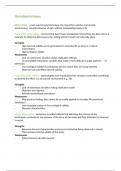
Observation – a non-experimental technique, the researcher watches and records
spontaneous/ natural behaviour of ppts without manipulating levels of IV.
Naturalistic observations - Environment hasn’t been manipulated (everything has been left as it
naturally is) observing behaviour is the setting where it would normally take place
Strengths
- High external validity can be generalised to everyday life as done in a natural
environment.
- High ecological validity
Weaknesses
- Lack of control over situation makes replication difficult.
- Uncontrollable extraneous variables that make it more difficult to judge patterns of
behaviour.
- Low ecological validity if participants become aware they are being watched.
- Observer bias and effect internal validity.
Controlled observations – psychologists have manipulated the situation (controlled something)
to observe the effect in a structured environment e.g., lab.
Strengths
- Lack of extraneous variables making replication easier
- Objective and rigorous.
- Reliable standardised procedures.
Weaknesses
- May produce findings that cannot be as readily applied to everyday life (unnatural
behaviour).
- Low mundane realism so low ecological validity.
- Demand characteristics.
Covert observation – behaviour recorded without first obtaining the consent of the
participants, participants are unaware of the focus of the study and their behaviour is observed
in secret.
Strengths
- Removes demand characteristics and ensures behaviour being observed is natural.
- This increases internal validity of the study.
Weaknesses
- Ethical issues to do with consent.
Observation – a non-experimental technique, the researcher watches and records
spontaneous/ natural behaviour of ppts without manipulating levels of IV.
Naturalistic observations - Environment hasn’t been manipulated (everything has been left as it
naturally is) observing behaviour is the setting where it would normally take place
Strengths
- High external validity can be generalised to everyday life as done in a natural
environment.
- High ecological validity
Weaknesses
- Lack of control over situation makes replication difficult.
- Uncontrollable extraneous variables that make it more difficult to judge patterns of
behaviour.
- Low ecological validity if participants become aware they are being watched.
- Observer bias and effect internal validity.
Controlled observations – psychologists have manipulated the situation (controlled something)
to observe the effect in a structured environment e.g., lab.
Strengths
- Lack of extraneous variables making replication easier
- Objective and rigorous.
- Reliable standardised procedures.
Weaknesses
- May produce findings that cannot be as readily applied to everyday life (unnatural
behaviour).
- Low mundane realism so low ecological validity.
- Demand characteristics.
Covert observation – behaviour recorded without first obtaining the consent of the
participants, participants are unaware of the focus of the study and their behaviour is observed
in secret.
Strengths
- Removes demand characteristics and ensures behaviour being observed is natural.
- This increases internal validity of the study.
Weaknesses
- Ethical issues to do with consent.