Psychodynamic approach - Freud
Role of the unconscious
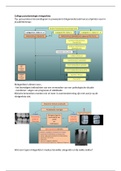
- conscious mind is the tip of the iceberg
- Unconscious mind (biological drives and instincts that has influence on our
behaviour and personality)
- contain threatening and disturbing memories that have been repressed and can be
accessed through dreams or slips of the tongue (parapraxes)
- Under the surface of our conscious mind is the preconscious that can be accessed if
desired
Freud
- Behaviour’s caused by our unconscious wishes and desires.
- Our mind is made up of 3 separate parts (id, ego, superego)
- Everyone develops through the same psychosexual stages in childhood, any trauma
during these stages is repressed and effect how our mind and personality develops.
- Ego uses defence mechanisms to protect us from anxiety and trauma.
Our personality (or psyche) is structed from 3 parts (described personality as a tripartite
system):
ID – driving us to satisfy selfish urges and demands instant gratification (acts
according to the ‘pleasure principle’ (exists from birth) UNCONCIOUS.
Ego – acts rationally, balancing the ID and the superego by employing defence
mechanisms (acts according to the ‘reality principle’ (develops from 2-4) CONCIOUS.
Superego – concerned with keeping moral norms (acts according to the ‘morality
principle’ attempts to control a powerful ID with feelings of guilt (develops from 4-5)
CONCIOUS.
Ego defence mechanism
Balances conflict between ID and superego and tries to reduce anxiety, in significant conflict
the ego protects itself using defence mechanisms.
3 key mechanisms:
Repression – burying an unpleasant thought or desire in the unconscious
Displacement – focus of strong emotions are directed away from the source of
target, towards other things
Denial – threatening thought is ignored or treated as if it were not true
Psychosexual stages
All humans progress through the same psycho-sexual stages, during the development of
their psyche/personality. if any psychosexual stages conflict is not resolved it leads to
fixation where the child becomes stuck and carries certain behaviours into adult life.
Names 5 stages:
Role of the unconscious
- conscious mind is the tip of the iceberg
- Unconscious mind (biological drives and instincts that has influence on our
behaviour and personality)
- contain threatening and disturbing memories that have been repressed and can be
accessed through dreams or slips of the tongue (parapraxes)
- Under the surface of our conscious mind is the preconscious that can be accessed if
desired
Freud
- Behaviour’s caused by our unconscious wishes and desires.
- Our mind is made up of 3 separate parts (id, ego, superego)
- Everyone develops through the same psychosexual stages in childhood, any trauma
during these stages is repressed and effect how our mind and personality develops.
- Ego uses defence mechanisms to protect us from anxiety and trauma.
Our personality (or psyche) is structed from 3 parts (described personality as a tripartite
system):
ID – driving us to satisfy selfish urges and demands instant gratification (acts
according to the ‘pleasure principle’ (exists from birth) UNCONCIOUS.
Ego – acts rationally, balancing the ID and the superego by employing defence
mechanisms (acts according to the ‘reality principle’ (develops from 2-4) CONCIOUS.
Superego – concerned with keeping moral norms (acts according to the ‘morality
principle’ attempts to control a powerful ID with feelings of guilt (develops from 4-5)
CONCIOUS.
Ego defence mechanism
Balances conflict between ID and superego and tries to reduce anxiety, in significant conflict
the ego protects itself using defence mechanisms.
3 key mechanisms:
Repression – burying an unpleasant thought or desire in the unconscious
Displacement – focus of strong emotions are directed away from the source of
target, towards other things
Denial – threatening thought is ignored or treated as if it were not true
Psychosexual stages
All humans progress through the same psycho-sexual stages, during the development of
their psyche/personality. if any psychosexual stages conflict is not resolved it leads to
fixation where the child becomes stuck and carries certain behaviours into adult life.
Names 5 stages: