Depression
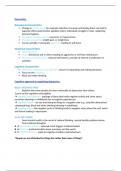
Behavioural characteristics
Change in activity levels for example reduction of energy and feeling tired, can lead to
opposite effect psychomotor agitation where individuals struggle to relax, neglecting
personal hygiene.
Disruption to sleep pattern, insomnia, or hypersomnia.
Changes in appetite, weight gain, or weight loss.
Can be verbally or physically aggressive leading to self-harm.
Emotional characteristics
Lowered mood
Anger directed at self or others leading to aggressive or self-harm behaviours.
Feelings of worthlessness, reduced self-esteem, and lack of interest and pleasure in
activities.
Cognitive characteristics
Difficult to maintain or pay attention, slower in responding and making decisions.
Focus on the negatives.
Black and white thinking.
Cognitive approach to explaining depression.
BECK’S NEGATIVE TRIAD
- Explains why some people are more vulnerable to depression than others.
3 parts to this cognitive vulnerability:
negative self-schemas – package of ideas that holds negative beliefs and views about
ourselves (develops in childhood due to negative experiences)
cognitive biases - we see and interpret things in a negative way (e.g., selective abstraction/
catastrophising, black and white thinking) develop in adulthood
negative triad – this negative cycle of thinking leads to negative views about the self, world
and future leading to depression
ELLIS’ ABC MODEL
- Good mental health is the result of rational thinking, mental health problems derive
from irrational thoughts.
A ACTIVATING EVENT – external event triggers irrational beliefs
B BELIEFS – irrational beliefs about ourselves and the world
C CONSEQUENCES – leads to negative emotions and behaviours.
“People are not disturbed by things but rather their view of things”.
Behavioural characteristics
Change in activity levels for example reduction of energy and feeling tired, can lead to
opposite effect psychomotor agitation where individuals struggle to relax, neglecting
personal hygiene.
Disruption to sleep pattern, insomnia, or hypersomnia.
Changes in appetite, weight gain, or weight loss.
Can be verbally or physically aggressive leading to self-harm.
Emotional characteristics
Lowered mood
Anger directed at self or others leading to aggressive or self-harm behaviours.
Feelings of worthlessness, reduced self-esteem, and lack of interest and pleasure in
activities.
Cognitive characteristics
Difficult to maintain or pay attention, slower in responding and making decisions.
Focus on the negatives.
Black and white thinking.
Cognitive approach to explaining depression.
BECK’S NEGATIVE TRIAD
- Explains why some people are more vulnerable to depression than others.
3 parts to this cognitive vulnerability:
negative self-schemas – package of ideas that holds negative beliefs and views about
ourselves (develops in childhood due to negative experiences)
cognitive biases - we see and interpret things in a negative way (e.g., selective abstraction/
catastrophising, black and white thinking) develop in adulthood
negative triad – this negative cycle of thinking leads to negative views about the self, world
and future leading to depression
ELLIS’ ABC MODEL
- Good mental health is the result of rational thinking, mental health problems derive
from irrational thoughts.
A ACTIVATING EVENT – external event triggers irrational beliefs
B BELIEFS – irrational beliefs about ourselves and the world
C CONSEQUENCES – leads to negative emotions and behaviours.
“People are not disturbed by things but rather their view of things”.