Class 2 note:
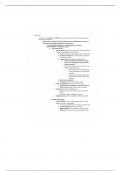
According to the GAAP and the IFRS, every company must present four financial statements,
first three are intertwined
o Balance sheet- “snapshot” of business at point in time, ending balance sheet of one
period becomes the beginning sheet of the next period
Cash +anything turned into cash +anything used up in one year
Assets=liabilities + stockholders’ equity
Assets-what we own
o Current assets: cash, accounts receivable, inventory, short-term
investments, prepaid(rent, insurance, etc)
Cash-most liquid so always listed at top of balance sheet
Accounts receivable-if you made a sale but customers
have not yet paid you
Inventory-what you bought intending to resell
Inventory (on the balance sheet) is reduced
and the “cost of goods sold” (on the income
sheet) is increased
Every time a company sells its inventory it must
make two balancing entries
o Record the sales by increasing revenue
and increasing either cash or accounts
receivable
o Transfer the cost of the inventory sold
from the balance sheet to the income
statement
Short term investments-
Prepaid-pay ahead of time and then expire
o Long term investments: stock, bond investments, etc
Not planning on converting into cash within the year
Stock-company bought stock of another company
o Fixed assets: equipment, buildings, land
Bought it to use in your business, can resell at some
point
You expect it will last longer than one year
o Intangible assets, patents, copyrights, trademarks, goodwill
Liabilities-what we owe
o Current liabilities: accounts payable, wages payable, utilities
payable, short term notes payable
Have to pay within Next year from day on balance sheet
Accounts payable-purchases of inventory
Wages payable-anything companies owe employees
Utilities-piped into business like electricity, gas, water
, Note payable-loan from the bank
o Long term liabilities: notes and bonds payable
Bonds-issue a bond to make your debt available to the
general public, usually sold in $1000 segments
There are bond exchanges like stock exchanges
Stockholders' equity-what we’re worth
o Common stock-every corporation has to have this, can also have
variety of preferred stock if they wish
Amount of money received when they originally
received the stock
o Retained earnings – net income, add up all net incomes from all
years company has been in business
All net incomes-dividends payed=retained earnings
Assets-liabilities=stockholders’ equity
o Income statement –covers a period of time, which is different than the balance sheet
Revenue-expenses=net income
Revenue-what we earn
Expenses –what we use up
Net income
Difference to balance sheet
Covers period of time where balance sheet is “snapshot”
Once you start the next period you start with clean slate, balance
sheet ending roles over to starting of next period
Inventory (on the balance sheet) is reduced and the “cost of goods
sold” (on the income sheet) is increased
Revenue-(operating expenses/net income from operations) +/- gain or loss on
sales of other assets=net income
o Statement of retained earnings
Beginning retained earnings + net income – dividends paid=ending retained
earnings
o Statement of cash flows-only analyzes the cash account
Financing-transactions with stockholders’ and bankers(except interest)
Investing-buying and selling land, buildings, and equipment
Operating-everything else
Beginning cash +/- cash flows from operations +/- cash flows from investing +/-
cash flows from financing = ending cash
Only include cash transactions the company made during period
o If no cash was received or paid, the transaction doesn’t go on this
statement
According to the GAAP and the IFRS, every company must present four financial statements,
first three are intertwined
o Balance sheet- “snapshot” of business at point in time, ending balance sheet of one
period becomes the beginning sheet of the next period
Cash +anything turned into cash +anything used up in one year
Assets=liabilities + stockholders’ equity
Assets-what we own
o Current assets: cash, accounts receivable, inventory, short-term
investments, prepaid(rent, insurance, etc)
Cash-most liquid so always listed at top of balance sheet
Accounts receivable-if you made a sale but customers
have not yet paid you
Inventory-what you bought intending to resell
Inventory (on the balance sheet) is reduced
and the “cost of goods sold” (on the income
sheet) is increased
Every time a company sells its inventory it must
make two balancing entries
o Record the sales by increasing revenue
and increasing either cash or accounts
receivable
o Transfer the cost of the inventory sold
from the balance sheet to the income
statement
Short term investments-
Prepaid-pay ahead of time and then expire
o Long term investments: stock, bond investments, etc
Not planning on converting into cash within the year
Stock-company bought stock of another company
o Fixed assets: equipment, buildings, land
Bought it to use in your business, can resell at some
point
You expect it will last longer than one year
o Intangible assets, patents, copyrights, trademarks, goodwill
Liabilities-what we owe
o Current liabilities: accounts payable, wages payable, utilities
payable, short term notes payable
Have to pay within Next year from day on balance sheet
Accounts payable-purchases of inventory
Wages payable-anything companies owe employees
Utilities-piped into business like electricity, gas, water
, Note payable-loan from the bank
o Long term liabilities: notes and bonds payable
Bonds-issue a bond to make your debt available to the
general public, usually sold in $1000 segments
There are bond exchanges like stock exchanges
Stockholders' equity-what we’re worth
o Common stock-every corporation has to have this, can also have
variety of preferred stock if they wish
Amount of money received when they originally
received the stock
o Retained earnings – net income, add up all net incomes from all
years company has been in business
All net incomes-dividends payed=retained earnings
Assets-liabilities=stockholders’ equity
o Income statement –covers a period of time, which is different than the balance sheet
Revenue-expenses=net income
Revenue-what we earn
Expenses –what we use up
Net income
Difference to balance sheet
Covers period of time where balance sheet is “snapshot”
Once you start the next period you start with clean slate, balance
sheet ending roles over to starting of next period
Inventory (on the balance sheet) is reduced and the “cost of goods
sold” (on the income sheet) is increased
Revenue-(operating expenses/net income from operations) +/- gain or loss on
sales of other assets=net income
o Statement of retained earnings
Beginning retained earnings + net income – dividends paid=ending retained
earnings
o Statement of cash flows-only analyzes the cash account
Financing-transactions with stockholders’ and bankers(except interest)
Investing-buying and selling land, buildings, and equipment
Operating-everything else
Beginning cash +/- cash flows from operations +/- cash flows from investing +/-
cash flows from financing = ending cash
Only include cash transactions the company made during period
o If no cash was received or paid, the transaction doesn’t go on this
statement