·
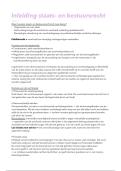
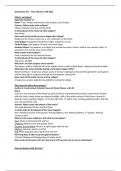
, . A cell structure
Masmid
US Ribosomes
!
3 Bacteria
nuclear pores capsule prevents dehydration of cells.
-X_
-
-
of
nucleus
membrane -movement -covers bacterial surface antigens
I-nuclear bacteria
nuert A
.
well wall
flagellum basal
body
... glycogen - ↳
prevent detection by
-
D granule cell membrane lymphocytes
& mesosomes thylakoids -
chromatin .
pl %
mituctoplasm r
contains
. enzymes chlorophyll
for respiration pili
-
·
contain
membrane
-
outer smooth . & releasing absorb sunlight for photosynthesis.
ATR
↳
conjugation ~
·Doded
allow bacteriato
mem
e adhere to host cell
.
circular
DNA
ranchor
europlasts
ahoid
Apparatus
Stroma
-
Golgi
transporto cissidea Kamella
· cisternal terconnecting
-o endosymbiotic theory
-
trust Mitochondria used to be a
D-secretary reside prokaryotic
-
D
de
organism s
engulfed by entearyotic cell
structure :
folded membrane s e en
and became a permanent part of it
· vesicles (transport + secretary)
Function modification
: of protein
- add carbohydrate - glycoprotein .
Ribosomes
Drina
packaging protein into secretory resides exocytosis
.
·
Se
surface , fuse to of cell w well membrane,
secreting protein by exocytosis
.
rER
⑳9
animal cells only
istened
-
> Lysosomes
.
membranes at equal size
hydrolyti
-
attachedribosomes ·
(POS) ·
vesicle encloses hydrolytic enzymes .
digestive
made by
Function - attached ribosomes assemble amino acids into a ·
Golgi apparatus
Function 1 Fuse is redundant
polypeptide Chain : .
organellesd
-
Polypeptide chain enters cisternal t is folded break it down
.
into 30 structure . acrosome
2 .
- rER
packages protein into transport vesicle. 3 .
apoptis (programmed celldeath) .
Centrioles
pp Chollow CylindersataoA
SER . xribosomes o
·
Synthesis of tipids/steroids
· 4t in liver cells
detoxification . Function from spindle fibres
-
during cell division to
separate chromosomes
.
, MaSagemicrotare
Cytoskeleton
X
· made of tubes & filaments .
·
Tubules are made of tubulin
-
ofilaments are made of in
cilia
Function : Support animal cell -Short-long
-
same structureas
maintain its Shape -
numerous - feu centrioles .
PRORARYOTICS EULARYOTIS
ANIMAL PLANT
no nucleus has nucleus Lysosomes well wall
unicellular multicellular (mostly centrioles unloroplast
except : yeast
smallercell protoctisto
permanent racciole
larger well
.
cytoskeleton
70s Ribosomes &os ribosomes
Hageldumt Plasmodesmatta .
S
-
cytoplasmicUnreals
Xhave membrane have membrane bound Clic channels
bound organees allows communication
organelles
-Circular Loop at DNA Linear DNA
found in Chloroplast mitochondria -
Futaryotic
-
organelles
-
Division of labour -compartmentalisation
· each organelle is
separated
of the cell
from one rest
by a
membrane.
Describe the of protein Synthesis.
* process
① Ribosomes bound torER assemble At to form a polypeptide chain w lo structure
.
Polypeptide
② chains enters FR cisternal where it'll be folded into a protein w zo Structure
,
③ Packaged into a transport vesicle
.
⑦ Fuse
wholgi Apparatus cisterne atcis side & protein moves thru cisternal where it'll be modified
⑤ ex carbohydrate side chain glycoprotein
tomalle a
adding a
-
.
⑥ Packaged into a secretory vesicle
,that'll move to surface of the b fuse call membrane
,
secreting protein
,
by exocytosis
·
⑱
, . A cell structure
Masmid
US Ribosomes
!
3 Bacteria
nuclear pores capsule prevents dehydration of cells.
-X_
-
-
of
nucleus
membrane -movement -covers bacterial surface antigens
I-nuclear bacteria
nuert A
.
well wall
flagellum basal
body
... glycogen - ↳
prevent detection by
-
D granule cell membrane lymphocytes
& mesosomes thylakoids -
chromatin .
pl %
mituctoplasm r
contains
. enzymes chlorophyll
for respiration pili
-
·
contain
membrane
-
outer smooth . & releasing absorb sunlight for photosynthesis.
ATR
↳
conjugation ~
·Doded
allow bacteriato
mem
e adhere to host cell
.
circular
DNA
ranchor
europlasts
ahoid
Apparatus
Stroma
-
Golgi
transporto cissidea Kamella
· cisternal terconnecting
-o endosymbiotic theory
-
trust Mitochondria used to be a
D-secretary reside prokaryotic
-
D
de
organism s
engulfed by entearyotic cell
structure :
folded membrane s e en
and became a permanent part of it
· vesicles (transport + secretary)
Function modification
: of protein
- add carbohydrate - glycoprotein .
Ribosomes
Drina
packaging protein into secretory resides exocytosis
.
·
Se
surface , fuse to of cell w well membrane,
secreting protein by exocytosis
.
rER
⑳9
animal cells only
istened
-
> Lysosomes
.
membranes at equal size
hydrolyti
-
attachedribosomes ·
(POS) ·
vesicle encloses hydrolytic enzymes .
digestive
made by
Function - attached ribosomes assemble amino acids into a ·
Golgi apparatus
Function 1 Fuse is redundant
polypeptide Chain : .
organellesd
-
Polypeptide chain enters cisternal t is folded break it down
.
into 30 structure . acrosome
2 .
- rER
packages protein into transport vesicle. 3 .
apoptis (programmed celldeath) .
Centrioles
pp Chollow CylindersataoA
SER . xribosomes o
·
Synthesis of tipids/steroids
· 4t in liver cells
detoxification . Function from spindle fibres
-
during cell division to
separate chromosomes
.
, MaSagemicrotare
Cytoskeleton
X
· made of tubes & filaments .
·
Tubules are made of tubulin
-
ofilaments are made of in
cilia
Function : Support animal cell -Short-long
-
same structureas
maintain its Shape -
numerous - feu centrioles .
PRORARYOTICS EULARYOTIS
ANIMAL PLANT
no nucleus has nucleus Lysosomes well wall
unicellular multicellular (mostly centrioles unloroplast
except : yeast
smallercell protoctisto
permanent racciole
larger well
.
cytoskeleton
70s Ribosomes &os ribosomes
Hageldumt Plasmodesmatta .
S
-
cytoplasmicUnreals
Xhave membrane have membrane bound Clic channels
bound organees allows communication
organelles
-Circular Loop at DNA Linear DNA
found in Chloroplast mitochondria -
Futaryotic
-
organelles
-
Division of labour -compartmentalisation
· each organelle is
separated
of the cell
from one rest
by a
membrane.
Describe the of protein Synthesis.
* process
① Ribosomes bound torER assemble At to form a polypeptide chain w lo structure
.
Polypeptide
② chains enters FR cisternal where it'll be folded into a protein w zo Structure
,
③ Packaged into a transport vesicle
.
⑦ Fuse
wholgi Apparatus cisterne atcis side & protein moves thru cisternal where it'll be modified
⑤ ex carbohydrate side chain glycoprotein
tomalle a
adding a
-
.
⑥ Packaged into a secretory vesicle
,that'll move to surface of the b fuse call membrane
,
secreting protein
,
by exocytosis
·
⑱