AC2.2
Describe the trial process
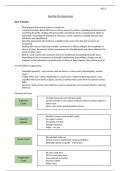
Basic Principles
- Main purpose is to ensure justice is carried out
- Criminal Procedure Rules 2005 sets out these aspects for justice: acquitting the innocent and
convicting the guilty, dealing with prosecution and defence fairly, recognising the rights of
defendant, respecting the interests of witnesses, victim, and jurors, dealing with the case
efficiently and expeditiously
- Ensuring appropriate information is available to the court when bail and sentence are
considered
- Dealing with cases in ways that consider: seriousness of offence alleged, the complexity of
what is in issue, the severity of the consequences for the defendant and others affected, the
needs of other cases
- Before a case reaches the courtroom there are preliminary proceedings that take place.
Depending on the circumstances and result of preliminary proceedings, charges may be
dropped, or the defendant may plead guilty. If either of these happen, there will be no trial.
Pre-trial different approaches:
- Inaictable approach - most serious must be tried in a crown court (manslaughter, murder,
rape)
- Triable either way – either magistrates or crown court = higher sentencing powers, more
acquittal with a jury (theft, burglary, assault, or battery that causes harm to a person's body
ABH)
- Summary- least serious minor offences, stays in magistrates court (assault, battery, motoring
offences)
Hierarchy of Courts
- Formally house of Lords (12 laws lords)
Supreme - Cannot consider a case unless a relevant order has been made in a
Court lower court
- Hears cases of the greatest public concern
- Decides if crown court verdict is safe
Court of - Can order a retrial
Appeal - Can guash a verdict
- Changes sentence
- Judge – no. jury
- All indictable offences
Crown Court - Passed on from magistrates- refuse jurisdiction
- Defendant plead not guilty – trial by jury
- All cases start here
- 95% of cases stay there
Magistrates - Max sentence 6 months
Court - Max fine £5000
- Minor cases
, AC2.2
Arrest and Charge
- When a police officer has reasonable grounds to believe that someone has committed a
crime, or an arrest warrant has been made, the officer can arrest them
- The suspect is then taken to the police station for them to be questioned further
- The custody officer records information of the suspect, the date, time and reason for arrest.
- Fingerprints and other samples are also taken from the suspect and may later be used as
evidence in court
Procedures for either-way offences –
- First hearing is in a Magistrates court as to where the case should be heard - ‘mode of trial’
hearing
- The lawyers make case as to where they want the trial to be heard
Magistrates Clerk and lawyers will explain to D: his choice of plea, if he pleads guilty then
they will proceed to sentence, if he pleads guilty may still be committed for sentence to
Crown Court (punishment)
- If he pleads not guilty, then Magistrates have to decide if their sentencing powers are
enough
- If their powers are not sufficient then they send to Crown Court
- If they can hear the case D can still elect trial at the Crown Court – D has a choice D’s choice
not straightforward: rates of acquittal on not guilty pleas are higher at jury trial, many D’s
feel they receive a fairer trial at Crown Court, believe that Magistrates hear inadmissible
evidence, are case hardened and accept police evidence regardless of accuracy, jury trials
have greater delays and greater defence cost, opting for court with greater sentencing
powers, not always an easy choice and needs legal advice, Entitled to ‘advance disclosure’ or
‘advance information’
Procedures for indictable offences
- Sending for trial passes quickly through Magistrates
- It is straightforward and they ask questions only on bail issues and who will fund D
- D then gets a sending for trial order
- 1st hearing is a PCMH (plea and case management hearing)
- Looks at the procedures and checks that the given date is workable
- Judge has managerial role here D enters a plea – Guilty and sentencing can take place
immediately - If he pleads not guilty
then the defence and prosecution have to inform court of the following:
- Any issues in the case
- Number of witnesses and order to be called
- Formal admissions during process
- Exhibits to be produced
- Documents used by D during trial
- Any contentious points of law
- Questions about admissibility of evidence
- Estimated length of trial
Describe the trial process
Basic Principles
- Main purpose is to ensure justice is carried out
- Criminal Procedure Rules 2005 sets out these aspects for justice: acquitting the innocent and
convicting the guilty, dealing with prosecution and defence fairly, recognising the rights of
defendant, respecting the interests of witnesses, victim, and jurors, dealing with the case
efficiently and expeditiously
- Ensuring appropriate information is available to the court when bail and sentence are
considered
- Dealing with cases in ways that consider: seriousness of offence alleged, the complexity of
what is in issue, the severity of the consequences for the defendant and others affected, the
needs of other cases
- Before a case reaches the courtroom there are preliminary proceedings that take place.
Depending on the circumstances and result of preliminary proceedings, charges may be
dropped, or the defendant may plead guilty. If either of these happen, there will be no trial.
Pre-trial different approaches:
- Inaictable approach - most serious must be tried in a crown court (manslaughter, murder,
rape)
- Triable either way – either magistrates or crown court = higher sentencing powers, more
acquittal with a jury (theft, burglary, assault, or battery that causes harm to a person's body
ABH)
- Summary- least serious minor offences, stays in magistrates court (assault, battery, motoring
offences)
Hierarchy of Courts
- Formally house of Lords (12 laws lords)
Supreme - Cannot consider a case unless a relevant order has been made in a
Court lower court
- Hears cases of the greatest public concern
- Decides if crown court verdict is safe
Court of - Can order a retrial
Appeal - Can guash a verdict
- Changes sentence
- Judge – no. jury
- All indictable offences
Crown Court - Passed on from magistrates- refuse jurisdiction
- Defendant plead not guilty – trial by jury
- All cases start here
- 95% of cases stay there
Magistrates - Max sentence 6 months
Court - Max fine £5000
- Minor cases
, AC2.2
Arrest and Charge
- When a police officer has reasonable grounds to believe that someone has committed a
crime, or an arrest warrant has been made, the officer can arrest them
- The suspect is then taken to the police station for them to be questioned further
- The custody officer records information of the suspect, the date, time and reason for arrest.
- Fingerprints and other samples are also taken from the suspect and may later be used as
evidence in court
Procedures for either-way offences –
- First hearing is in a Magistrates court as to where the case should be heard - ‘mode of trial’
hearing
- The lawyers make case as to where they want the trial to be heard
Magistrates Clerk and lawyers will explain to D: his choice of plea, if he pleads guilty then
they will proceed to sentence, if he pleads guilty may still be committed for sentence to
Crown Court (punishment)
- If he pleads not guilty, then Magistrates have to decide if their sentencing powers are
enough
- If their powers are not sufficient then they send to Crown Court
- If they can hear the case D can still elect trial at the Crown Court – D has a choice D’s choice
not straightforward: rates of acquittal on not guilty pleas are higher at jury trial, many D’s
feel they receive a fairer trial at Crown Court, believe that Magistrates hear inadmissible
evidence, are case hardened and accept police evidence regardless of accuracy, jury trials
have greater delays and greater defence cost, opting for court with greater sentencing
powers, not always an easy choice and needs legal advice, Entitled to ‘advance disclosure’ or
‘advance information’
Procedures for indictable offences
- Sending for trial passes quickly through Magistrates
- It is straightforward and they ask questions only on bail issues and who will fund D
- D then gets a sending for trial order
- 1st hearing is a PCMH (plea and case management hearing)
- Looks at the procedures and checks that the given date is workable
- Judge has managerial role here D enters a plea – Guilty and sentencing can take place
immediately - If he pleads not guilty
then the defence and prosecution have to inform court of the following:
- Any issues in the case
- Number of witnesses and order to be called
- Formal admissions during process
- Exhibits to be produced
- Documents used by D during trial
- Any contentious points of law
- Questions about admissibility of evidence
- Estimated length of trial