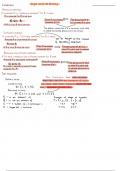
Getting out of bed: Transfer and bed mobility
Included going from lying down to sitting edge of bed, rolling, getting in/out of bed, sitting
and standing from bed/chairs and toilet.
Allow and encourage patient to take an active roll with transfers to help maintain the
highest possible functional independence level and to carry out safely.
The assistive devices that might involve - bedrails, overhead trapeze, transfer pad.
Review any precautions if needed – i.e., risk of falls.
Physical:
1. Lying on bed in a supine, prone or right/left lateral position.
2. Roll to left or right side to sit on the edge of the bed (SOEOB)
3. Sit-to-stand (STS)
Moving from supine to roll to left side.
Synchronizing/coordinating body movements to swing my legs off the bed and push myself
up:
Rectus Abdominis(abs) helps flex the trunk and assists in bringing the upper body into a sitting
position. The internal and external obliques, located on the sides of the abdomen, assist in trunk
rotation and contribute to the lifting motion. Iliopsoas(hip) including the iliacus and psoas major,
helps flex the hip joint and lift the thigh towards the torso. Gluteus maximus, helps extend the hip
joint and provides power for pushing the body up. The quadriceps (front of the thighs), help
straighten the knee joint, allowing for leg extension when pushing up. The hamstrings (back of the
thighs), assist in flexing the knee and contribute to the swinging motion of the legs. 4. Deltoids
(shoulders), help stabilize the upper body during the lifting motion. Biceps (upper arms), assist in
flexing the elbows and provide additional strength during the pushing motion. Coordinated
activation and contraction of these muscles enable a smooth transition from lying to sitting or
standing position.
Balancing from shifting the lying position to a standing position, and able to stabilize.
Utilizing muscle strength, especially in the core, legs, and arms, to lift my body and transition
to a standing position.
Flexibility of stretching and extending certain muscles of the back, legs, and arms, while
getting out of bed.
Cognitive:
1. Visuospatial function: When getting out of bed, knowing the spatial relationships between
objects and person will visually recognize the position of the bed, the surrounding furniture,
and any potential obstacles.
2. Executive functions: involve planning, initiating, and completing tasks.
- Decision making: Making the conscious decision to wake up and start the day decide
whether I am going to get out of bed instead of continuing to rest. It involves factors such as
daily schedule, responsibilities, and personal goals influence this decision.
- Planning and Problem-Solving: Figuring out what is the most efficient and comfortable way
to transition from lying to standing, considering factors like room layout or potential
obstacles in the immediate environment. i.e., narrow distance between the worktop and
bed/ drawer closer to bed/ lighting.
Included going from lying down to sitting edge of bed, rolling, getting in/out of bed, sitting
and standing from bed/chairs and toilet.
Allow and encourage patient to take an active roll with transfers to help maintain the
highest possible functional independence level and to carry out safely.
The assistive devices that might involve - bedrails, overhead trapeze, transfer pad.
Review any precautions if needed – i.e., risk of falls.
Physical:
1. Lying on bed in a supine, prone or right/left lateral position.
2. Roll to left or right side to sit on the edge of the bed (SOEOB)
3. Sit-to-stand (STS)
Moving from supine to roll to left side.
Synchronizing/coordinating body movements to swing my legs off the bed and push myself
up:
Rectus Abdominis(abs) helps flex the trunk and assists in bringing the upper body into a sitting
position. The internal and external obliques, located on the sides of the abdomen, assist in trunk
rotation and contribute to the lifting motion. Iliopsoas(hip) including the iliacus and psoas major,
helps flex the hip joint and lift the thigh towards the torso. Gluteus maximus, helps extend the hip
joint and provides power for pushing the body up. The quadriceps (front of the thighs), help
straighten the knee joint, allowing for leg extension when pushing up. The hamstrings (back of the
thighs), assist in flexing the knee and contribute to the swinging motion of the legs. 4. Deltoids
(shoulders), help stabilize the upper body during the lifting motion. Biceps (upper arms), assist in
flexing the elbows and provide additional strength during the pushing motion. Coordinated
activation and contraction of these muscles enable a smooth transition from lying to sitting or
standing position.
Balancing from shifting the lying position to a standing position, and able to stabilize.
Utilizing muscle strength, especially in the core, legs, and arms, to lift my body and transition
to a standing position.
Flexibility of stretching and extending certain muscles of the back, legs, and arms, while
getting out of bed.
Cognitive:
1. Visuospatial function: When getting out of bed, knowing the spatial relationships between
objects and person will visually recognize the position of the bed, the surrounding furniture,
and any potential obstacles.
2. Executive functions: involve planning, initiating, and completing tasks.
- Decision making: Making the conscious decision to wake up and start the day decide
whether I am going to get out of bed instead of continuing to rest. It involves factors such as
daily schedule, responsibilities, and personal goals influence this decision.
- Planning and Problem-Solving: Figuring out what is the most efficient and comfortable way
to transition from lying to standing, considering factors like room layout or potential
obstacles in the immediate environment. i.e., narrow distance between the worktop and
bed/ drawer closer to bed/ lighting.