AC1.5 EXAMPLE ANSWER
Explain the impact of Media Representations on the Public Perception of Crime.
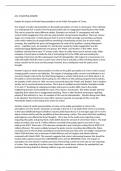
One impact of media representation on the public perception of crime is moral panic. This is defined
as a widespread fear or panic from the general public due to exaggerated reporting from the media.
This can be caused by many different medias. Examples can include TV, newspapers and radio
content which exaggerate crime rates by using emotive and persuasive headlines. There are various
stages of a moral panic. It starts because there is a lot of media coverage surrounding a particular
crime which makes lots of people believe something is threatening society. Due to more media
coverage, this amplifies the panic and exaggerates the scale of the problem, causing widespread
alarm – repetitive cycle. An example of a moral panic caused by media exaggeration was the
emphasised gang fighting between two groups: the ‘Mods’ and ‘Rockers’ in the 1960s. Some
headlines said that there were ’97 arrests made’ when in reality there was 24 arrests made. Other
examples of moral panic include the risk of contracting HIV in the 1980s and surrounding the
reporting of terrorism and the subsequent result of Islamophobia. The impact of a moral panic is to
make the public think the issue is much more severe than it actually is which will bring about a more
severe reaction to the issue and the people involved, thus creating the need for justice to be
brought.
Another impact of media representation of crime on the public perceptions of crime is that it causes
changing public concerns and attitudes. The impact of changing public concerns and attitudes is our
concerns change is due to the fact that things happen in society which leads us to think about it. As
the public is concerned about what’s going on, this reflects on the policing and government policies.
An example of this can be in 1964, we were concerned about the ‘Mods’ and ‘Rockers’ but in modern
society, we’re concerned about terrorism. This is due to multiple terrorist attacks. Examples include
9/11 and 7/7 bombings of underground tubes and buses in London 2005. Due to the media
heightening tensions surrounding this crime, this creates a moral panic. This makes people alarmed
regarding their safety due to exaggerated reporting. There is often harmful stereotypes regarding
people of that ethnicity or race. An example of this can be Islamophobia – Muslims being more likely
to be attacked. The threat level is also either raised or lowered. An example of this can be the
Manchester Attack in 2017 going from severe to critical.
Another impact of media representation of crime on the public perception of crime is the
perceptions of crime trends. Generally, on average in the UK, 6 in 10 adults think crime is increasing.
In the Good Childhood Report (Children’s Society 2020) found that 2 in 5 teenagers aged 10-17 worry
about criminal activity and the possibility of them becoming a victim. This meant that their wellbeing
and happiness was affected by these thoughts. This is due to the media mass reporting crimes,
impacting the public and giving them a false belief about the amount of crime there truly is. The total
police recorded crime was 8.7 million offences recorded from people aged 16 and over in year
ending June 2023. There was a 15% decrease compared to pre Covid year ending March 2020 (10.2
million offences). This seems unlikely because the police may be recording data differently. Police
recorded crime in March 2023 exceeded pre Covid levels because they were 11% higher compared to
March 2020 but there was a decrease in theft offences such as burglary and vehicle offences
compared with March 2020. This research suggests that crime is decreasing however this should be
treated with caution because this is RECORDED crime and not REPORTED crime. The impact of
perception of crime trends is anxiety and stress of becoming a victim of crime due to over reporting
of crimes. Over reporting of certain crimes (abduction, sexual abuse, violence by paedophiles) can
lead parents being fearful of allowing children to go out unsupervised.
Explain the impact of Media Representations on the Public Perception of Crime.
One impact of media representation on the public perception of crime is moral panic. This is defined
as a widespread fear or panic from the general public due to exaggerated reporting from the media.
This can be caused by many different medias. Examples can include TV, newspapers and radio
content which exaggerate crime rates by using emotive and persuasive headlines. There are various
stages of a moral panic. It starts because there is a lot of media coverage surrounding a particular
crime which makes lots of people believe something is threatening society. Due to more media
coverage, this amplifies the panic and exaggerates the scale of the problem, causing widespread
alarm – repetitive cycle. An example of a moral panic caused by media exaggeration was the
emphasised gang fighting between two groups: the ‘Mods’ and ‘Rockers’ in the 1960s. Some
headlines said that there were ’97 arrests made’ when in reality there was 24 arrests made. Other
examples of moral panic include the risk of contracting HIV in the 1980s and surrounding the
reporting of terrorism and the subsequent result of Islamophobia. The impact of a moral panic is to
make the public think the issue is much more severe than it actually is which will bring about a more
severe reaction to the issue and the people involved, thus creating the need for justice to be
brought.
Another impact of media representation of crime on the public perceptions of crime is that it causes
changing public concerns and attitudes. The impact of changing public concerns and attitudes is our
concerns change is due to the fact that things happen in society which leads us to think about it. As
the public is concerned about what’s going on, this reflects on the policing and government policies.
An example of this can be in 1964, we were concerned about the ‘Mods’ and ‘Rockers’ but in modern
society, we’re concerned about terrorism. This is due to multiple terrorist attacks. Examples include
9/11 and 7/7 bombings of underground tubes and buses in London 2005. Due to the media
heightening tensions surrounding this crime, this creates a moral panic. This makes people alarmed
regarding their safety due to exaggerated reporting. There is often harmful stereotypes regarding
people of that ethnicity or race. An example of this can be Islamophobia – Muslims being more likely
to be attacked. The threat level is also either raised or lowered. An example of this can be the
Manchester Attack in 2017 going from severe to critical.
Another impact of media representation of crime on the public perception of crime is the
perceptions of crime trends. Generally, on average in the UK, 6 in 10 adults think crime is increasing.
In the Good Childhood Report (Children’s Society 2020) found that 2 in 5 teenagers aged 10-17 worry
about criminal activity and the possibility of them becoming a victim. This meant that their wellbeing
and happiness was affected by these thoughts. This is due to the media mass reporting crimes,
impacting the public and giving them a false belief about the amount of crime there truly is. The total
police recorded crime was 8.7 million offences recorded from people aged 16 and over in year
ending June 2023. There was a 15% decrease compared to pre Covid year ending March 2020 (10.2
million offences). This seems unlikely because the police may be recording data differently. Police
recorded crime in March 2023 exceeded pre Covid levels because they were 11% higher compared to
March 2020 but there was a decrease in theft offences such as burglary and vehicle offences
compared with March 2020. This research suggests that crime is decreasing however this should be
treated with caution because this is RECORDED crime and not REPORTED crime. The impact of
perception of crime trends is anxiety and stress of becoming a victim of crime due to over reporting
of crimes. Over reporting of certain crimes (abduction, sexual abuse, violence by paedophiles) can
lead parents being fearful of allowing children to go out unsupervised.