Extracting Information from a Statute
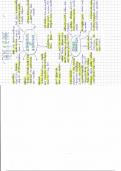
Intrinsic Aids Extrinsic Aids
○ Look at the statute as a whole ○ Dictionary
○ Long title ○ Explanatory Notes
○ Short title ○ Presumptions
○ Punctuation ○ Law Commission Reports
○ Headings ○ Judicial Precedents
○ Interpretation Sections ○ Previous Statutes
○ Schedules ○ Hansard: Pepper v Hart
○ Human Rights Act 1998
○ Rules of Interpretation
Rules of Interpretation:
Constitutionally, it respects Parliamentary supremacy and the right of Parliament to make any
laws it might wish, no matter how absurd.
It encourages precision in drafting and ensures that anyone who can read English can
determine the law, which promotes certainty and reduces litigation.
It fails to recognise that the English language itself is ambiguous and that words may have
different meanings in different contexts.
Literal Rule:
The words used in a statute are to be given their ordinary, plain and natural meaning
‘Where the meaning of the statutory words is plain and unambiguous, it is not then for the
judges to invent fancified ambiguities’ - Duport Steel v Sirs (1980) per Lord Diplock
The use of the Literal Rule can sometimes lead to absurdities and loopholes which can be
exploited by an unmeritorious litigant - Fisher v Bell (1960)
Golden Rule:
If the literal rule produces absurdities, then the court should look for another meaning of the
words to avoid that absurd result.
It provides no clear means test to test the existence or extent of an absurdity, it seems to
depend on the result on each individual case.
‘The grammatical and ordinary sense of the words is to be adhered to unless that would lead to
some absurdity or some repugnance or inconsistency with the rest of the instrument in which
case the grammatical and ordinary sense of the words may be modified so as to avoid the
absurdity and inconsistency, but no further’ - Grey v Pearson (1857) per Lord Wemsleydale
Re Sigsworth (1935)
○ A case where a son had murdered his mother.
Intrinsic Aids Extrinsic Aids
○ Look at the statute as a whole ○ Dictionary
○ Long title ○ Explanatory Notes
○ Short title ○ Presumptions
○ Punctuation ○ Law Commission Reports
○ Headings ○ Judicial Precedents
○ Interpretation Sections ○ Previous Statutes
○ Schedules ○ Hansard: Pepper v Hart
○ Human Rights Act 1998
○ Rules of Interpretation
Rules of Interpretation:
Constitutionally, it respects Parliamentary supremacy and the right of Parliament to make any
laws it might wish, no matter how absurd.
It encourages precision in drafting and ensures that anyone who can read English can
determine the law, which promotes certainty and reduces litigation.
It fails to recognise that the English language itself is ambiguous and that words may have
different meanings in different contexts.
Literal Rule:
The words used in a statute are to be given their ordinary, plain and natural meaning
‘Where the meaning of the statutory words is plain and unambiguous, it is not then for the
judges to invent fancified ambiguities’ - Duport Steel v Sirs (1980) per Lord Diplock
The use of the Literal Rule can sometimes lead to absurdities and loopholes which can be
exploited by an unmeritorious litigant - Fisher v Bell (1960)
Golden Rule:
If the literal rule produces absurdities, then the court should look for another meaning of the
words to avoid that absurd result.
It provides no clear means test to test the existence or extent of an absurdity, it seems to
depend on the result on each individual case.
‘The grammatical and ordinary sense of the words is to be adhered to unless that would lead to
some absurdity or some repugnance or inconsistency with the rest of the instrument in which
case the grammatical and ordinary sense of the words may be modified so as to avoid the
absurdity and inconsistency, but no further’ - Grey v Pearson (1857) per Lord Wemsleydale
Re Sigsworth (1935)
○ A case where a son had murdered his mother.