MKTG 201 Midterm 1
Market - ANSA group of people/orgs that have (1) needs and wants and (2) the ability to
purchase products and services that satisfy those needs and wants
Marketing - ANSThe activity, set of institutions, and processes for creating, communicating,
delivering, and exchanging offerings that have value for customers
Strategic Triangle - ANSCustomer, Company, Competition
Value = Benefits - Costs
Components of Marketing Strategy - ANS1. Target Market
2. Creating the marketing mix
3. Sustainable competitive advantage
3 Levels of Strategy - ANS1. Corporate strategy - "What business should we be in?"
2. Strategic Business Unit (SBU) strategy - "How do we compete effectively in a given
business?"
3. Marketing strategy - "What marketing mix should we use?"
4 Ps of Marketing Mix - ANSProduct, Price, Promotion, Place
Profitability Drivers - ANSCustomer acquisition
Sales per customer
Margin
Customer retention
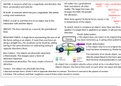
Marketing Strategy Process - ANS
Brand Champions - ANSCustomers who love a firm's products and then advocate the
product to others.
Their insight is valuable because it can tell why customers love a company's product.
Marketing Philosophies - ANSProduct Orientation - supply generates its own demand
Sales Orientation - marketing's role is to sell products
Market Orientation - every product or service should focus on satisfying needs and wants at
a profit
Societal Orientation - every product should provide value to customer and society
Marketing Concept - ANSBy delivering value, marketing satisfies customer needs and wants
at a profit
Product-Market Expansion Matrix - ANS
, Margin - ANSDifference between price and cost
Corporate Strategy - ANSAnswers the question, "what businesses should we be in?"
Strategic Business Unit (SBU) - ANSA division, product line, or other profit center within the
parent company
Marketing Domain - ANSSegment of a broader industry with a focus of meeting particular
business/customer needs
Social Forces - ANSCultural and demographic characteristics of the population that affect
people's attitudes, beliefs, and lifestyles
Economic Forces - ANSChanges in the economy affect consumer spending
Technological Forces - ANSNew developments in methods for transforming resources into
goods or services
Competitive Forces - ANSAlternative products that can satisfy a specific market's needs
Regulatory Forces - ANSMarketers compete within the constraints of government regulation.
The objective of regulation is to protect consumers and businesses
SWOT Analysis - ANSStrengths, weaknesses, opportunities, threats
3 Types of Geographic Marketing - ANS1. Domestic Marketing
2. International Marketing
3. Global Marketing
Risks of Market Expansion - ANSCompetitive risk
Economic risk
Legal risk
Political risk
Market Entry Strategies - ANSExporting - lowest risk, lowest return
Licensing - low risk, low return
Joint Venture - high risk, high return
Foreign Direct Investment - highest risk, highest return
Joint Venture - ANSAn agreement between two or more companies to share a business
project
Foreign Direct Investment - ANSDirect investments in building up wholly owned operations
in other countries
Licensing - ANSFirm in one country agrees to allow a firm in a different country to use its
manufacturing, processing, trademark, etc.
Market - ANSA group of people/orgs that have (1) needs and wants and (2) the ability to
purchase products and services that satisfy those needs and wants
Marketing - ANSThe activity, set of institutions, and processes for creating, communicating,
delivering, and exchanging offerings that have value for customers
Strategic Triangle - ANSCustomer, Company, Competition
Value = Benefits - Costs
Components of Marketing Strategy - ANS1. Target Market
2. Creating the marketing mix
3. Sustainable competitive advantage
3 Levels of Strategy - ANS1. Corporate strategy - "What business should we be in?"
2. Strategic Business Unit (SBU) strategy - "How do we compete effectively in a given
business?"
3. Marketing strategy - "What marketing mix should we use?"
4 Ps of Marketing Mix - ANSProduct, Price, Promotion, Place
Profitability Drivers - ANSCustomer acquisition
Sales per customer
Margin
Customer retention
Marketing Strategy Process - ANS
Brand Champions - ANSCustomers who love a firm's products and then advocate the
product to others.
Their insight is valuable because it can tell why customers love a company's product.
Marketing Philosophies - ANSProduct Orientation - supply generates its own demand
Sales Orientation - marketing's role is to sell products
Market Orientation - every product or service should focus on satisfying needs and wants at
a profit
Societal Orientation - every product should provide value to customer and society
Marketing Concept - ANSBy delivering value, marketing satisfies customer needs and wants
at a profit
Product-Market Expansion Matrix - ANS
, Margin - ANSDifference between price and cost
Corporate Strategy - ANSAnswers the question, "what businesses should we be in?"
Strategic Business Unit (SBU) - ANSA division, product line, or other profit center within the
parent company
Marketing Domain - ANSSegment of a broader industry with a focus of meeting particular
business/customer needs
Social Forces - ANSCultural and demographic characteristics of the population that affect
people's attitudes, beliefs, and lifestyles
Economic Forces - ANSChanges in the economy affect consumer spending
Technological Forces - ANSNew developments in methods for transforming resources into
goods or services
Competitive Forces - ANSAlternative products that can satisfy a specific market's needs
Regulatory Forces - ANSMarketers compete within the constraints of government regulation.
The objective of regulation is to protect consumers and businesses
SWOT Analysis - ANSStrengths, weaknesses, opportunities, threats
3 Types of Geographic Marketing - ANS1. Domestic Marketing
2. International Marketing
3. Global Marketing
Risks of Market Expansion - ANSCompetitive risk
Economic risk
Legal risk
Political risk
Market Entry Strategies - ANSExporting - lowest risk, lowest return
Licensing - low risk, low return
Joint Venture - high risk, high return
Foreign Direct Investment - highest risk, highest return
Joint Venture - ANSAn agreement between two or more companies to share a business
project
Foreign Direct Investment - ANSDirect investments in building up wholly owned operations
in other countries
Licensing - ANSFirm in one country agrees to allow a firm in a different country to use its
manufacturing, processing, trademark, etc.