The Tenant by Na Ncube- Analysis and summary
Theme Analysis
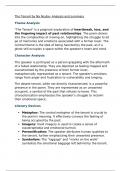
"The Tenant" is a poignant exploration of heartbreak, loss, and
the lingering impact of past relationships. The poem delves
into the complexities of moving on, highlighting the struggle to let
go of memories and emotions associated with a former lover. The
central theme is the idea of being haunted by the past, as if a
ghost still occupies a space within the speaker's heart and mind.
Character Analysis
The speaker is portrayed as a person grappling with the aftermath
of a failed relationship. They are depicted as feeling trapped and
overwhelmed by the presence of their former lover,
metaphorically represented as a tenant. The speaker's emotions
range from anger and frustration to vulnerability and longing.
The absent tenant, while not directly characterized, is a powerful
presence in the poem. They are represented as an unwanted
occupant, a symbol of the past that refuses to leave. This
characterization emphasizes the speaker's struggle to reclaim
their emotional space.
Literary Devices
Metaphor: The central metaphor of the tenant is crucial to
the poem's meaning. It effectively conveys the feeling of
being occupied by the past.
Imagery: Vivid imagery is used to create a sense of
claustrophobia and emotional turmoil.
Personification: The speaker attributes human qualities to
the tenant, further emphasizing their unwanted presence.
Symbolism: The "luggage" and "marks on the walls"
symbolize the emotional baggage left behind by the tenant.
Theme Analysis
"The Tenant" is a poignant exploration of heartbreak, loss, and
the lingering impact of past relationships. The poem delves
into the complexities of moving on, highlighting the struggle to let
go of memories and emotions associated with a former lover. The
central theme is the idea of being haunted by the past, as if a
ghost still occupies a space within the speaker's heart and mind.
Character Analysis
The speaker is portrayed as a person grappling with the aftermath
of a failed relationship. They are depicted as feeling trapped and
overwhelmed by the presence of their former lover,
metaphorically represented as a tenant. The speaker's emotions
range from anger and frustration to vulnerability and longing.
The absent tenant, while not directly characterized, is a powerful
presence in the poem. They are represented as an unwanted
occupant, a symbol of the past that refuses to leave. This
characterization emphasizes the speaker's struggle to reclaim
their emotional space.
Literary Devices
Metaphor: The central metaphor of the tenant is crucial to
the poem's meaning. It effectively conveys the feeling of
being occupied by the past.
Imagery: Vivid imagery is used to create a sense of
claustrophobia and emotional turmoil.
Personification: The speaker attributes human qualities to
the tenant, further emphasizing their unwanted presence.
Symbolism: The "luggage" and "marks on the walls"
symbolize the emotional baggage left behind by the tenant.