The Discardment by Alan Paton- Analysis and summary
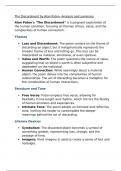
Alan Paton's "The Discardment" is a poignant exploration of
the human condition, focusing on themes of loss, value, and the
complexities of human connection.
Themes
Loss and Discardment: The poem centers on the theme of
discarding an object, but it metaphorically represents the
broader theme of loss and letting go. This loss can be
interpreted as material, emotional, or even spiritual.
Value and Worth: The poem questions the nature of value,
suggesting that an object's worth is often subjective and
dependent on the individual.
Human Connection: While seemingly about a material
object, the poem delves into the complexities of human
relationships. The act of discarding becomes a metaphor for
the complexities of human interactions.
Structure and Tone
Free Verse: Paton employs free verse, allowing for
flexibility in line length and rhythm, which mirrors the fluidity
of human emotions and experiences.
Intimate Tone: The poem adopts an intimate and reflective
tone, inviting the reader to contemplate the deeper
meanings behind the act of discarding.
Literary Devices
Symbolism: The discarded object becomes a symbol of
something greater, representing loss, change, and the
passage of time.
Imagery: Vivid imagery is used to create a sense of loss and
nostalgia.
Alan Paton's "The Discardment" is a poignant exploration of
the human condition, focusing on themes of loss, value, and the
complexities of human connection.
Themes
Loss and Discardment: The poem centers on the theme of
discarding an object, but it metaphorically represents the
broader theme of loss and letting go. This loss can be
interpreted as material, emotional, or even spiritual.
Value and Worth: The poem questions the nature of value,
suggesting that an object's worth is often subjective and
dependent on the individual.
Human Connection: While seemingly about a material
object, the poem delves into the complexities of human
relationships. The act of discarding becomes a metaphor for
the complexities of human interactions.
Structure and Tone
Free Verse: Paton employs free verse, allowing for
flexibility in line length and rhythm, which mirrors the fluidity
of human emotions and experiences.
Intimate Tone: The poem adopts an intimate and reflective
tone, inviting the reader to contemplate the deeper
meanings behind the act of discarding.
Literary Devices
Symbolism: The discarded object becomes a symbol of
something greater, representing loss, change, and the
passage of time.
Imagery: Vivid imagery is used to create a sense of loss and
nostalgia.