DEPENDENT PERSONALITY DISORDER (CLUSTER C)
AFHANKELIJKE PERSOONLIJKHEIDSSTOORNIS
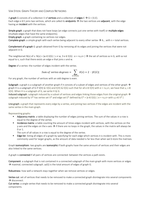
Source: DSM-V (APA, 2015) and Davey (2014)
Een pervasieve en excessieve behoefte om verzorgd te worden die leidt tot submissief en
aanklampend gedrag en de vrees om in de steek gelaten te worden, beginnend op jongvolwassen
leeftijd, en tot uiting komend in verschillende contexten, zoals blijkt uit vijf van volgende kenmerken;
o Heeft moeite met het nemen van alledaagse beslissingen zonder een excessieve hoeveelheid
adviezen en geruststelling door anderen.
o Heeft anderen nodig die de verantwoordelijkheid nemen voor de meeste belangrijke gebieden
van zijn of haar leven.
o Het moeite met het uiten van een meningsverschil met anderen, vanwege de vrees om steun of
goedkeuring te verliezen (geen realistische vrees om gestraft te worden).
o Heeft moeite met het ontplooien van initiatieven of met het zelfstandig ondernemen (eerder
vanwege een gebrek aan zelfvertrouwen in eigen oordeel of capaciteiten dan uit een gebrek
aan motivatie of energie).
o Gaat tot het uiterste om zorg en steun van anderen te krijgen, en kan zelfs vrijwillig aanbieden
om onaangename dingen te doen.
o Voelt zich niet op zijn of haar gemak of hulpeloos als hij of zij alleen is, vanwege een
overmatige vrees om niet voor zichzelf te kunnen zorgen.
o Gaat direct op zoek naar een nieuwe relatie als een bron van zorg en steun zodra een intieme
relatie beëindigd wordt.
o Is op onrealistische wijze gepreoccupeerd met de vrees alleen te worden gelaten en voor
zichzelf te moeten zorgen.
-Zelfbeeld: hulpeloos en incompetent
-Beeld anderen: steunend en competent
-Kernopvatting: ‘ik heb anderen nodig om te overleven’
-Strategie: hechting, hulp zoeken, aanklampen, zich extreem aanpassen
-Emoties: angst, somber
-Opvoeding: overbeschermend, verwaarlozend, ouders zelf angstig bij verlating, vroeg verlies
Clinical description
Dependent PD is characterized by a pervasive and excessive need to be taken care of that extends
significantly beyond the caring relationships that most individuals would have with one another. Pts
exhibit submissive and clinging behavior and have great difficulty making everyday decisions without
advice from significant others. Pts are passive and will allow other to make all important decisions for
them. They have difficulty expressing disagreement with others and will other agree with things that
they know to be wrong or inappropriate rather than risk losing
the support and help of others. Such individuals tend to be
pessimistic and self- doubting, and belittle their own
achievements.
The characteristics of dependent PD appear to fall into two
distinctive categories; 1) attachment/ abandonment, in which
the individual fears abandonment and constantly seeks
attachment with significant others, and 2)
dependency/incompetence, in which the individual has constant
feelings of incompetence which drive them to rely on others.
1
, IMPLICIT AND SELF-ATTRIBUTED DEPENDENCY NEEDS
Source: Bornstein (1998). Hoe is impliciete afhankelijkheid gemeten in deze studie?
Theorists speculate that dependent personality disorder (DPD) and histrionic personality disorder
(HPD) are both associated with high levels of implicit (unconscious) dependency needs but
speculate that only DPD is associated with high levels of self-attributed (conscious) dependency
needs. To test this hypothesis, 444 undergraduates completed the Personality Diagnostic
Questionnaire-Revised (PDQ-R), along with measures of implicit dependency needs (ROD) and self-
attributed dependency needs (IDI). Correlational analyses and comparison of IDI and ROD scores in
participants scoring above and below the PDQ-R DPD and HPD threshold supported theorists’
speculations regarding implicit and self-attributed dependency needs in DPD and HPD.
Introduction
For many years, dependency needs and motives have been thought to play a prominent role in both
DPD and HPD. On the surface, however, DPD and HPD are not all alike. Whereas the essential
feature of DPD is ‘a pervasive and excessive need to be taken care of that leads to submissive and
clinging behavior and fears of separation’, the essential feature of HPD is ‘pervasive and excessive
emotionality and attention-seeking behavior’.
It is generally assumed that although DPD and HPD are both linked with high levels of underlying
dependency needs, DPD- and HPD-diagnosed persons differ with respect to the degree of insight
they have in this domain. Typically, the individual with DPD has at least some awareness of the ways
that underlying dependency needs affect his or her behavior, whereas the person with HPD has little
insight in this area.
A number of researchers have argued that DPD is associated with high levels of self-attributed
(conscious) dependency needs, as well as high levels of implicit (unconscious) dependency needs. In
contrast, HPD appears to be associated with high levels of implicit dependency needs but low levels
of self-attributed dependency needs.
It was hypothesized that relative to participants with other forms of personality pathology, or no
personality pathology, DPD participants would show high levels of implicit and self-attributed
dependency needs. It is further hypothesized that relative to control participants, HPD participants
would show high levels of implicit – but not self-attributed – dependency needs (i.e., elevated ROD
scores only).
When participants arrived at the laboratory, they were told they were taking part in a study of
personality and self-perception. Two months after completing the dependency measures, participants
were contacted by phone and asked to take part in a follow-up session in which PDQ-R scores were
obtained.
Results
The table summarizes the correlations between dependency scores and PDQ-R subscale scores in men
and women. As the table shows, IDI scores showed significant positive correlations with PDQ-R
dependent scores in women (r = .57) and men (r = .51). As hypothesized, IDI scores were unrelated to
PDQ-R histrionic scores in participants of either gender.
2
AFHANKELIJKE PERSOONLIJKHEIDSSTOORNIS
Source: DSM-V (APA, 2015) and Davey (2014)
Een pervasieve en excessieve behoefte om verzorgd te worden die leidt tot submissief en
aanklampend gedrag en de vrees om in de steek gelaten te worden, beginnend op jongvolwassen
leeftijd, en tot uiting komend in verschillende contexten, zoals blijkt uit vijf van volgende kenmerken;
o Heeft moeite met het nemen van alledaagse beslissingen zonder een excessieve hoeveelheid
adviezen en geruststelling door anderen.
o Heeft anderen nodig die de verantwoordelijkheid nemen voor de meeste belangrijke gebieden
van zijn of haar leven.
o Het moeite met het uiten van een meningsverschil met anderen, vanwege de vrees om steun of
goedkeuring te verliezen (geen realistische vrees om gestraft te worden).
o Heeft moeite met het ontplooien van initiatieven of met het zelfstandig ondernemen (eerder
vanwege een gebrek aan zelfvertrouwen in eigen oordeel of capaciteiten dan uit een gebrek
aan motivatie of energie).
o Gaat tot het uiterste om zorg en steun van anderen te krijgen, en kan zelfs vrijwillig aanbieden
om onaangename dingen te doen.
o Voelt zich niet op zijn of haar gemak of hulpeloos als hij of zij alleen is, vanwege een
overmatige vrees om niet voor zichzelf te kunnen zorgen.
o Gaat direct op zoek naar een nieuwe relatie als een bron van zorg en steun zodra een intieme
relatie beëindigd wordt.
o Is op onrealistische wijze gepreoccupeerd met de vrees alleen te worden gelaten en voor
zichzelf te moeten zorgen.
-Zelfbeeld: hulpeloos en incompetent
-Beeld anderen: steunend en competent
-Kernopvatting: ‘ik heb anderen nodig om te overleven’
-Strategie: hechting, hulp zoeken, aanklampen, zich extreem aanpassen
-Emoties: angst, somber
-Opvoeding: overbeschermend, verwaarlozend, ouders zelf angstig bij verlating, vroeg verlies
Clinical description
Dependent PD is characterized by a pervasive and excessive need to be taken care of that extends
significantly beyond the caring relationships that most individuals would have with one another. Pts
exhibit submissive and clinging behavior and have great difficulty making everyday decisions without
advice from significant others. Pts are passive and will allow other to make all important decisions for
them. They have difficulty expressing disagreement with others and will other agree with things that
they know to be wrong or inappropriate rather than risk losing
the support and help of others. Such individuals tend to be
pessimistic and self- doubting, and belittle their own
achievements.
The characteristics of dependent PD appear to fall into two
distinctive categories; 1) attachment/ abandonment, in which
the individual fears abandonment and constantly seeks
attachment with significant others, and 2)
dependency/incompetence, in which the individual has constant
feelings of incompetence which drive them to rely on others.
1
, IMPLICIT AND SELF-ATTRIBUTED DEPENDENCY NEEDS
Source: Bornstein (1998). Hoe is impliciete afhankelijkheid gemeten in deze studie?
Theorists speculate that dependent personality disorder (DPD) and histrionic personality disorder
(HPD) are both associated with high levels of implicit (unconscious) dependency needs but
speculate that only DPD is associated with high levels of self-attributed (conscious) dependency
needs. To test this hypothesis, 444 undergraduates completed the Personality Diagnostic
Questionnaire-Revised (PDQ-R), along with measures of implicit dependency needs (ROD) and self-
attributed dependency needs (IDI). Correlational analyses and comparison of IDI and ROD scores in
participants scoring above and below the PDQ-R DPD and HPD threshold supported theorists’
speculations regarding implicit and self-attributed dependency needs in DPD and HPD.
Introduction
For many years, dependency needs and motives have been thought to play a prominent role in both
DPD and HPD. On the surface, however, DPD and HPD are not all alike. Whereas the essential
feature of DPD is ‘a pervasive and excessive need to be taken care of that leads to submissive and
clinging behavior and fears of separation’, the essential feature of HPD is ‘pervasive and excessive
emotionality and attention-seeking behavior’.
It is generally assumed that although DPD and HPD are both linked with high levels of underlying
dependency needs, DPD- and HPD-diagnosed persons differ with respect to the degree of insight
they have in this domain. Typically, the individual with DPD has at least some awareness of the ways
that underlying dependency needs affect his or her behavior, whereas the person with HPD has little
insight in this area.
A number of researchers have argued that DPD is associated with high levels of self-attributed
(conscious) dependency needs, as well as high levels of implicit (unconscious) dependency needs. In
contrast, HPD appears to be associated with high levels of implicit dependency needs but low levels
of self-attributed dependency needs.
It was hypothesized that relative to participants with other forms of personality pathology, or no
personality pathology, DPD participants would show high levels of implicit and self-attributed
dependency needs. It is further hypothesized that relative to control participants, HPD participants
would show high levels of implicit – but not self-attributed – dependency needs (i.e., elevated ROD
scores only).
When participants arrived at the laboratory, they were told they were taking part in a study of
personality and self-perception. Two months after completing the dependency measures, participants
were contacted by phone and asked to take part in a follow-up session in which PDQ-R scores were
obtained.
Results
The table summarizes the correlations between dependency scores and PDQ-R subscale scores in men
and women. As the table shows, IDI scores showed significant positive correlations with PDQ-R
dependent scores in women (r = .57) and men (r = .51). As hypothesized, IDI scores were unrelated to
PDQ-R histrionic scores in participants of either gender.
2