

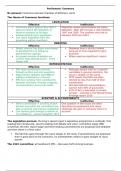
Parliament: Summary
Bi-cameral: Commons (elected chamber of 650mps), Lords
The House of Commons functions:
LEGISLATION
Effective Ineffective
Commons votes against Tony Blair’s Majorities means governments are rarely
plans to extend the detention of defeated – Blair did not lose a vote between
terrorist suspects to 90 days 1997 and 2005. The coalition only lost to
Initiate/amend/reject legislation between 2010 and 2015
Can reject legislation from the
governing parties manifesto
DEBATING
Effective Ineffective
Wright reforms has given more power Debating time is strictly limited
to backbenchers to influence because of time required for govt
parliamentary agenda business
Increased number of debates on Whips exercise significant control
current and pressing issues – Frank
Hester x46
REPRESENTATION
Effective Ineffective
MPs raise constituent concerns Although people vote for a specific
through written and oral questions candidate in general elections, the
Adjournment debates and PMBs to focus is largely on the party
address constituency concerns FPTP means that MPs are often
MPs face scrutiny from constituents elected by less than half of their
between elections, through surgeries, constituents
correspondence and social media Not descriptively representative –
women hold 30% of govt posts.
41% of Tory’s educated in private
schools – outlined in the Parliamentary
Privilege report 2019
SCRUTINY & ACCOUNTABILITY
Effective Ineffective
Select committees = scrutiny of govt Oral question in the house are often
actions and public bill committees are described as pantomime and rarely
able to amend and improve legislation challenge the govt or seriously hold it to
Can dismiss govt through a motion of account
no confidence – James Callaghan 1979
The legislative process: the king’s speech (govt’s legislative programme is outlined), first
reading (bill introduced), second reading (full debate and vote), committee stage (PBC
scrutinises the bill), report stage and third reading (amendments are proposed and debated
and then there is a final vote)
The bill then goes through the same stages in the lords, if amendments are proposed
then it goes back to the commons, no amendments means it goes straight to royal
assent.
The 1922 committee: all backbench MPs – discusses forthcoming business
Bi-cameral: Commons (elected chamber of 650mps), Lords
The House of Commons functions:
LEGISLATION
Effective Ineffective
Commons votes against Tony Blair’s Majorities means governments are rarely
plans to extend the detention of defeated – Blair did not lose a vote between
terrorist suspects to 90 days 1997 and 2005. The coalition only lost to
Initiate/amend/reject legislation between 2010 and 2015
Can reject legislation from the
governing parties manifesto
DEBATING
Effective Ineffective
Wright reforms has given more power Debating time is strictly limited
to backbenchers to influence because of time required for govt
parliamentary agenda business
Increased number of debates on Whips exercise significant control
current and pressing issues – Frank
Hester x46
REPRESENTATION
Effective Ineffective
MPs raise constituent concerns Although people vote for a specific
through written and oral questions candidate in general elections, the
Adjournment debates and PMBs to focus is largely on the party
address constituency concerns FPTP means that MPs are often
MPs face scrutiny from constituents elected by less than half of their
between elections, through surgeries, constituents
correspondence and social media Not descriptively representative –
women hold 30% of govt posts.
41% of Tory’s educated in private
schools – outlined in the Parliamentary
Privilege report 2019
SCRUTINY & ACCOUNTABILITY
Effective Ineffective
Select committees = scrutiny of govt Oral question in the house are often
actions and public bill committees are described as pantomime and rarely
able to amend and improve legislation challenge the govt or seriously hold it to
Can dismiss govt through a motion of account
no confidence – James Callaghan 1979
The legislative process: the king’s speech (govt’s legislative programme is outlined), first
reading (bill introduced), second reading (full debate and vote), committee stage (PBC
scrutinises the bill), report stage and third reading (amendments are proposed and debated
and then there is a final vote)
The bill then goes through the same stages in the lords, if amendments are proposed
then it goes back to the commons, no amendments means it goes straight to royal
assent.
The 1922 committee: all backbench MPs – discusses forthcoming business


