Intoxication
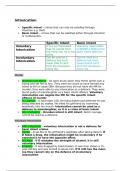
Specific intent – crimes that can only be satisfied through
intention e.g. theft.
Basic intent – crimes that can be satisfied either through intention
or recklessness.
Specific Intent Basic Intent
Voluntary If D is so intoxicated Voluntary intoxication
Intoxication that he cannot form is NEVER a defence for
the mens rea, he is not basic intent offences.
guilty.
Involuntary Can be used as a Can be used as a
Intoxication defence but must defence but must
mean that D can’t mean that D can’t
form the necessary form the necessary
mens rea. mens rea.
Murder
Sheehan and Moore – Ds were drunk when they threw petrol over a
tramp and set fire to him. They were too drunk to have formed any
intent to kill or cause GBH. Because they did not have the MR for
murder, they were able to use intoxication as a defence. They were
found guilty of manslaughter as a basic intent offence. Voluntary
intoxication can negate the MR for the specific intent
offence of murder.
R v Lipman – D had taken LSD. He hallucinated and believed he was
being attacked by snakes. He killed his girlfriend by cramming
bedsheets into her mouth. Intoxication cannot be used as a
defence to manslaughter, as it is a crime of basic intent.
AG v Gallagher – Drunken intent is still intent. Dutch courage
cannot be used as a defence.
Voluntary Intoxication
DPP v Majewski – voluntary intoxication is not a defence for
basic intent crimes.
Hardie – D set fire to his girlfriend’s wardrobe after taking Valium. If
D takes a drug, the intoxication might be involuntary if he
expected it to have the opposite effect.
R v Allen – if D mistakes the strength of alcohol, it is still
voluntary intoxication.
Kingston – D was drugged by blackmailers. D was then shown a 15-
year-old boy and was invited to abuse him. If D still has the mens
rea they cannot rely on the defence of involuntary
intoxication.
Specific intent – crimes that can only be satisfied through
intention e.g. theft.
Basic intent – crimes that can be satisfied either through intention
or recklessness.
Specific Intent Basic Intent
Voluntary If D is so intoxicated Voluntary intoxication
Intoxication that he cannot form is NEVER a defence for
the mens rea, he is not basic intent offences.
guilty.
Involuntary Can be used as a Can be used as a
Intoxication defence but must defence but must
mean that D can’t mean that D can’t
form the necessary form the necessary
mens rea. mens rea.
Murder
Sheehan and Moore – Ds were drunk when they threw petrol over a
tramp and set fire to him. They were too drunk to have formed any
intent to kill or cause GBH. Because they did not have the MR for
murder, they were able to use intoxication as a defence. They were
found guilty of manslaughter as a basic intent offence. Voluntary
intoxication can negate the MR for the specific intent
offence of murder.
R v Lipman – D had taken LSD. He hallucinated and believed he was
being attacked by snakes. He killed his girlfriend by cramming
bedsheets into her mouth. Intoxication cannot be used as a
defence to manslaughter, as it is a crime of basic intent.
AG v Gallagher – Drunken intent is still intent. Dutch courage
cannot be used as a defence.
Voluntary Intoxication
DPP v Majewski – voluntary intoxication is not a defence for
basic intent crimes.
Hardie – D set fire to his girlfriend’s wardrobe after taking Valium. If
D takes a drug, the intoxication might be involuntary if he
expected it to have the opposite effect.
R v Allen – if D mistakes the strength of alcohol, it is still
voluntary intoxication.
Kingston – D was drugged by blackmailers. D was then shown a 15-
year-old boy and was invited to abuse him. If D still has the mens
rea they cannot rely on the defence of involuntary
intoxication.