Thermoregulation in humans Bio factsheet notes
Terms:
- Negative feedback – a departure from the norm that produces changes which return
the factor to the norm
- Vasodilation – arterioles close to skin surface become engorged with blood releasing
excess heat by radiation and convection
- Vasoconstriction – arterioles close to skin surface become narrower, reducing heat
loss
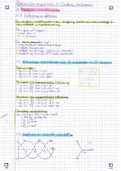
Mechanism of temperature regulation in a mammals
1. Straight line represents optimum temperature
2. Stimulus causes temperature to fall
3. Fall in temperature detected by receptors in
skin, send impulse to hypothalamus
4. This triggers effectors e.g shivering,
vasoconstriction
5. Temperature rises towards optimum
6. Stimulus causes body temperature to rise
7. Thermoreceptors in skin send impulse to brain
8. Triggers effects e.g sweat glands
9. Evaporation of sweat cools you down,
temperature falls to around optimum
Not as simple as this however, for example in chest and abdomen temperature is around 37,
but it changes diurnally by 0.5 degrees.
Hypothermia – temperature below 35
Hyperthermia – temperature above 40
If the core temperature is above 42, death occurs from heatstroke
The normal core body temperature is around 36.8, however examiners accept a range from
36.5 to 37.2 as different parts of the body are kept at different temperatures
For example, if you are at the gym the temperature in your muscles could reach 41 degrees,
however core temperature only increases by 1 degree.
Skin temperature receptors
Cold receptors – respond to temperatures between 13 and 35 degrees, most sensitive
around 28. Send more impulses to brain when temperature falls
Heat receptors – stimulated by heat, e.g the spice in chilli peppers, causing us to feel pain. If
you routinely have hot food the receptors die or become desensitized.
Terms:
- Negative feedback – a departure from the norm that produces changes which return
the factor to the norm
- Vasodilation – arterioles close to skin surface become engorged with blood releasing
excess heat by radiation and convection
- Vasoconstriction – arterioles close to skin surface become narrower, reducing heat
loss
Mechanism of temperature regulation in a mammals
1. Straight line represents optimum temperature
2. Stimulus causes temperature to fall
3. Fall in temperature detected by receptors in
skin, send impulse to hypothalamus
4. This triggers effectors e.g shivering,
vasoconstriction
5. Temperature rises towards optimum
6. Stimulus causes body temperature to rise
7. Thermoreceptors in skin send impulse to brain
8. Triggers effects e.g sweat glands
9. Evaporation of sweat cools you down,
temperature falls to around optimum
Not as simple as this however, for example in chest and abdomen temperature is around 37,
but it changes diurnally by 0.5 degrees.
Hypothermia – temperature below 35
Hyperthermia – temperature above 40
If the core temperature is above 42, death occurs from heatstroke
The normal core body temperature is around 36.8, however examiners accept a range from
36.5 to 37.2 as different parts of the body are kept at different temperatures
For example, if you are at the gym the temperature in your muscles could reach 41 degrees,
however core temperature only increases by 1 degree.
Skin temperature receptors
Cold receptors – respond to temperatures between 13 and 35 degrees, most sensitive
around 28. Send more impulses to brain when temperature falls
Heat receptors – stimulated by heat, e.g the spice in chilli peppers, causing us to feel pain. If
you routinely have hot food the receptors die or become desensitized.