1. Introduction to management
accounting
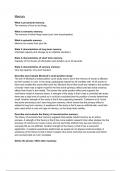
- Accounting: process of identifying, measuring and communicating economic information to
permit informed judgements and decisions by users of the information
The users of accounting information:
- Managers: need information to assist decision-making and controlling
- Shareholders: need information on the value of their investment and their income
- Employees: need information on the ability of the firm to pay their wages
- Creditors/capital loaners: need information on firm’s ability to meet financial obligations
- Government agencies: collect accounting information like taxes and sales, use it to
determine policies to manage the economy
All the above mentioned parties are STAKEHOLDERS
The users of accounting information can be divided into two categories:
- Internal users within the organization management accounting
- External users outside the organization financial accounting
Differences between management accounting and
financial accounting
- Legal requirement: financial reports are statutory obligation, management reports not
- Focus on individual parts or segments of the business: financial covers entire organization
- Generally accepted accounting principles: used in financial, not in management.
- Time dimension: financial reports past, management looks at future
- Report frequency and less emphasis on precision: financial is annual and very precise,
management way more frequent and less precise
The decision-making, planning and control process
- Identifying objectives: firms seek to maximize profit
- Alternative courses of action: also known as strategies. Three main strategies:
o New product for existing market
o New product for new market
o New market of existing products
accounting
- Accounting: process of identifying, measuring and communicating economic information to
permit informed judgements and decisions by users of the information
The users of accounting information:
- Managers: need information to assist decision-making and controlling
- Shareholders: need information on the value of their investment and their income
- Employees: need information on the ability of the firm to pay their wages
- Creditors/capital loaners: need information on firm’s ability to meet financial obligations
- Government agencies: collect accounting information like taxes and sales, use it to
determine policies to manage the economy
All the above mentioned parties are STAKEHOLDERS
The users of accounting information can be divided into two categories:
- Internal users within the organization management accounting
- External users outside the organization financial accounting
Differences between management accounting and
financial accounting
- Legal requirement: financial reports are statutory obligation, management reports not
- Focus on individual parts or segments of the business: financial covers entire organization
- Generally accepted accounting principles: used in financial, not in management.
- Time dimension: financial reports past, management looks at future
- Report frequency and less emphasis on precision: financial is annual and very precise,
management way more frequent and less precise
The decision-making, planning and control process
- Identifying objectives: firms seek to maximize profit
- Alternative courses of action: also known as strategies. Three main strategies:
o New product for existing market
o New product for new market
o New market of existing products