Organization Theory book & papers
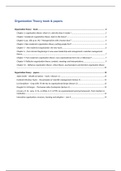
Organization theory – book............................................................................................................................ 2
Chapter 2: organization theory: what is it, and why does it matter?..................................................................2
Chapter 3 modernist organization theory: back to the future?...........................................................................3
Chapter 6, pp. 186 up to 192: “Managerialism with a human face?”.................................................................4
Chapter 4 Neo-modernist organization theory: putting people first?..................................................................5
Organization theory – papers......................................................................................................................... 7
Adam Smith – Wealth of nations – book 1 (lecture 1).........................................................................................7
Frederick Winslow Taylor – the principles of scientific management (lecture 2).................................................7
Lex Donaldson – Greg Joffe: Fit the key to organizational design (lecture 3)......................................................8
Douglas M. McGregor – The human side of enterprise (lecture 4)......................................................................8
, Organization theory – book
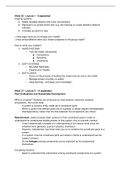
Chapter 2: organization theory: what is it, and why does it matter?
Theories do the following:
1. Conceptual devices that try to tell us things about the world by representing in causal
manner. For organizational theory it is to do with the behaviour of people in various
social context.
2. Theories define, classify or categorize aspects of the world
3. Propose reasons in the form of cause-and-effect relationship.
4. Identify situations or context whey causal relationships will or will not operate.
5. Theories can guide actions because they are enable to predictions and hence
potentially enable us to anticipate and try to control events.
6. In our everyday live we deploy theory: common sense (gezond verstand)
7. Theories influence what happens to people.
Theories are pivotal to how we describe, make sense of and explain our experiences. They
influence how we behave because they enable us to predict what might happen in diriment
circumstances. Different theories enable us to understand what is going on in different ways
and influence what happens to people. They also justify the things that we do and how we do
them.
What is organization
- ‘an’ organization is not a material object (no reification)
- ‘an’ organization is not a number of people
- The verb is a ‘to organize’
- ‘organization refers to:
o The way a number of people work together, interact
o Structure, order
o Goals, functions (=people who work, have a function in the structure)
- Etymology: organs in the human body
Organization is usually defined in terms of coordination of people for the achievement of
some explicit purpose or common goal. But can or should we assume that it is legitimate to
conceive of organizations in this way unless we can assume some consensus among people
about the purpose of their social interaction?
Organization theory
Is about a significant aspect of our lives has important practical consequences for how we
lead our lives. All organizations practices involve the deployment of some form of theory. The
key questions are where do these theories come from, who gets the read and writes them
and what are their effects upon people?
Relationship between organization theory and human activities
Organization theories can influence: the creation, maintenance and development of
organizations and the routine practices of their participants: relationships between those
members. Also they whey organization members deploy theory from various sources which
develop the organization.
Relationship organization theory and management practice
Organization theory has been developed to help managers manage. How do managers use
these theories intentionally and unintentionally?
Organization theory – book............................................................................................................................ 2
Chapter 2: organization theory: what is it, and why does it matter?..................................................................2
Chapter 3 modernist organization theory: back to the future?...........................................................................3
Chapter 6, pp. 186 up to 192: “Managerialism with a human face?”.................................................................4
Chapter 4 Neo-modernist organization theory: putting people first?..................................................................5
Organization theory – papers......................................................................................................................... 7
Adam Smith – Wealth of nations – book 1 (lecture 1).........................................................................................7
Frederick Winslow Taylor – the principles of scientific management (lecture 2).................................................7
Lex Donaldson – Greg Joffe: Fit the key to organizational design (lecture 3)......................................................8
Douglas M. McGregor – The human side of enterprise (lecture 4)......................................................................8
, Organization theory – book
Chapter 2: organization theory: what is it, and why does it matter?
Theories do the following:
1. Conceptual devices that try to tell us things about the world by representing in causal
manner. For organizational theory it is to do with the behaviour of people in various
social context.
2. Theories define, classify or categorize aspects of the world
3. Propose reasons in the form of cause-and-effect relationship.
4. Identify situations or context whey causal relationships will or will not operate.
5. Theories can guide actions because they are enable to predictions and hence
potentially enable us to anticipate and try to control events.
6. In our everyday live we deploy theory: common sense (gezond verstand)
7. Theories influence what happens to people.
Theories are pivotal to how we describe, make sense of and explain our experiences. They
influence how we behave because they enable us to predict what might happen in diriment
circumstances. Different theories enable us to understand what is going on in different ways
and influence what happens to people. They also justify the things that we do and how we do
them.
What is organization
- ‘an’ organization is not a material object (no reification)
- ‘an’ organization is not a number of people
- The verb is a ‘to organize’
- ‘organization refers to:
o The way a number of people work together, interact
o Structure, order
o Goals, functions (=people who work, have a function in the structure)
- Etymology: organs in the human body
Organization is usually defined in terms of coordination of people for the achievement of
some explicit purpose or common goal. But can or should we assume that it is legitimate to
conceive of organizations in this way unless we can assume some consensus among people
about the purpose of their social interaction?
Organization theory
Is about a significant aspect of our lives has important practical consequences for how we
lead our lives. All organizations practices involve the deployment of some form of theory. The
key questions are where do these theories come from, who gets the read and writes them
and what are their effects upon people?
Relationship between organization theory and human activities
Organization theories can influence: the creation, maintenance and development of
organizations and the routine practices of their participants: relationships between those
members. Also they whey organization members deploy theory from various sources which
develop the organization.
Relationship organization theory and management practice
Organization theory has been developed to help managers manage. How do managers use
these theories intentionally and unintentionally?