Syllabus 9: Jury Trial Procedure
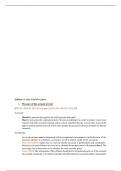
1. Presence of the accused at trial
[D15.82- D15.84, D15.85 (1) and (2), D15.86 - D15.87, D15.89]
Accused:
- Should be present throughout the trial (general principle)
- Must be present at the commencement of a trial on indictment in order to plead. Court must
not proceed if the accused is absent unless court is satisfied that the accused has waived the
right to attend and the trial will still be faire despite the accused’s absence (extends to defence
counsel).
Exceptions:
- Accused presence may be dispensed with in exceptional circumstances (misbehaviour of the
accused, absence is voluntary, accused is too ill to attend, death of the accused).
- Hayward [2001]: rights may be waived wholly (accused is deliberately and voluntarily
absence) or in part (behaves in a way as to obstruct the proper course of the proceedings). The
trial judge has a discretion as to whether the trial can take place.
- Jones [2002] The seriousness of the offence should not be considered and even if the accused
absconded voluntarily, it would be generally desirable that the accused should be represented.
, a. Misbehaviour of the accused
Accused behaves in an unruly fashion in the dock and makes it impracticable for the hearing to
continue, the judge should order that the accused is removed.
Judge should warn the accused before taking this step.
Accused should not be handcuffed in the dock unless there is a real risk of violence.
If accused refuses to be brought into court from the cells, the trial judge is entitled to proceed without
the accused.
b. Voluntary absence of the accused
If accused has been present for the commencement of his trial and later goes voluntarily absence,
judge has a discretion to complete trial in A’s absence. Discretion includes:
(a) Whether A deliberately absented himself; and
(b) There were reasonable steps that could be taken to secure his attendance.
c. Sickness of the accused
If beyond A’s control, the trial may not continue in their absence unless the accused consents.
Either adjourn the case or discharge the jury.
Exceptions:
(a) Evidence and proceedings relate entirely to the cases against the co -accused and have no
possible bearing on the absent accused’s case.
(b) Voluntary ingestion of drugs
(c) Heart condition preventing his attendance, but counsel can argue his case effectively and
given opportunity to give written evidence.
2. Unrepresented Accused
[D17.17 - D17.19]
If A not legally represented, court will seek to give A such assistance in conducting their defence as
may seem appropriate.
Where A dismisses counsel and/or sols during course of the trial and A remains entitled to legal
funding, the court may adjourn for the accused to be represented.
a. Accused’s right to give or call evidence
A should always be told at the end of the prosecution case of right to give evidence in person, to call
witnesses in their defence.
Unrepresented A should be informed of inferences which may be drawn (see CrimPD 6.7.5 for
terms).
b. Restrictions on the accused
Unrepresented A’s are prohibited from XX complainants and child witnesses in trials for certain
offences.
3. Abuse of process
1. Presence of the accused at trial
[D15.82- D15.84, D15.85 (1) and (2), D15.86 - D15.87, D15.89]
Accused:
- Should be present throughout the trial (general principle)
- Must be present at the commencement of a trial on indictment in order to plead. Court must
not proceed if the accused is absent unless court is satisfied that the accused has waived the
right to attend and the trial will still be faire despite the accused’s absence (extends to defence
counsel).
Exceptions:
- Accused presence may be dispensed with in exceptional circumstances (misbehaviour of the
accused, absence is voluntary, accused is too ill to attend, death of the accused).
- Hayward [2001]: rights may be waived wholly (accused is deliberately and voluntarily
absence) or in part (behaves in a way as to obstruct the proper course of the proceedings). The
trial judge has a discretion as to whether the trial can take place.
- Jones [2002] The seriousness of the offence should not be considered and even if the accused
absconded voluntarily, it would be generally desirable that the accused should be represented.
, a. Misbehaviour of the accused
Accused behaves in an unruly fashion in the dock and makes it impracticable for the hearing to
continue, the judge should order that the accused is removed.
Judge should warn the accused before taking this step.
Accused should not be handcuffed in the dock unless there is a real risk of violence.
If accused refuses to be brought into court from the cells, the trial judge is entitled to proceed without
the accused.
b. Voluntary absence of the accused
If accused has been present for the commencement of his trial and later goes voluntarily absence,
judge has a discretion to complete trial in A’s absence. Discretion includes:
(a) Whether A deliberately absented himself; and
(b) There were reasonable steps that could be taken to secure his attendance.
c. Sickness of the accused
If beyond A’s control, the trial may not continue in their absence unless the accused consents.
Either adjourn the case or discharge the jury.
Exceptions:
(a) Evidence and proceedings relate entirely to the cases against the co -accused and have no
possible bearing on the absent accused’s case.
(b) Voluntary ingestion of drugs
(c) Heart condition preventing his attendance, but counsel can argue his case effectively and
given opportunity to give written evidence.
2. Unrepresented Accused
[D17.17 - D17.19]
If A not legally represented, court will seek to give A such assistance in conducting their defence as
may seem appropriate.
Where A dismisses counsel and/or sols during course of the trial and A remains entitled to legal
funding, the court may adjourn for the accused to be represented.
a. Accused’s right to give or call evidence
A should always be told at the end of the prosecution case of right to give evidence in person, to call
witnesses in their defence.
Unrepresented A should be informed of inferences which may be drawn (see CrimPD 6.7.5 for
terms).
b. Restrictions on the accused
Unrepresented A’s are prohibited from XX complainants and child witnesses in trials for certain
offences.
3. Abuse of process